Mixed performance across global equities
Equity markets showed mixed trends across Asia. Tokyo, Singapore, Manila, and Jakarta closed lower, while Shanghai, Sydney, Seoul, Wellington, and Taipei recorded gains. Hong Kong markets remained closed due to a public holiday. The movements followed a positive start to the week on Wall Street, where hopes of a ceasefire lifted investor sentiment.
And prices are climbing again:https://t.co/a6424MFT7X pic.twitter.com/TTSmbBI24K
— OilPrice.com (@OilandEnergy) April 7, 2026
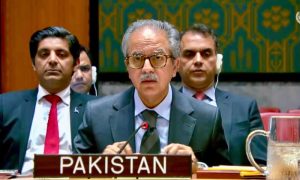
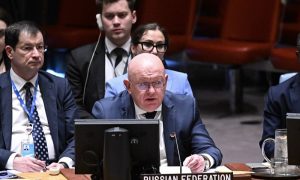
UN Security Council to vote on Hormuz resolution
The UN Security Council is expected to vote on a resolution addressing Iran’s actions in the Strait of Hormuz.
The draft text calls on Tehran to halt attacks on commercial vessels and ensure freedom of navigation, though it stops short of authorising force following objections from some permanent members.
Strategic waterway disruption fuels global concern
Iran has effectively restricted access to the Strait of Hormuz since late February following US-Israeli strikes, triggering sharp increases in global oil and gas prices. The waterway remains a critical artery for global energy supplies.
Diplomatic efforts intensify
Japan’s Prime Minister Sanae Takaichi confirmed that arrangements are underway for calls with both US and Iranian leaders, underlining efforts to ease tensions. Japan remains heavily dependent on Middle Eastern energy imports.
Escalatory rhetoric raises stakes
President Trump warned that the US has contingency plans targeting Iran’s infrastructure if demands are not met, including potential strikes on bridges and power facilities within a short timeframe.
Shipping continues under tight security
Despite tensions, some vessels continue to transit the Strait. Turkish and Japanese-linked tankers have recently passed through, signalling cautious continuation of maritime trade under heightened risk.
Nuclear safety concerns mount
The head of the UN nuclear watchdog warned that strikes near Iran’s Bushehr nuclear power plant pose serious safety risks, with potential consequences extending beyond Iran’s borders.
Energy infrastructure targeted
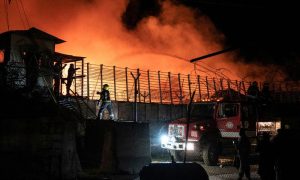
Israel reported carrying out a major strike on Iran’s largest petrochemical facility in Assaluyeh, a key hub responsible for a significant portion of the country’s production.
Countries seek alternative energy routes
South Korea and Taiwan are exploring alternative supply routes via Saudi Red Sea ports to reduce reliance on the Strait of Hormuz, reflecting growing concerns over supply chain stability.