RIYADH: Saudi Arabia and eight other oil-producing nations have voiced concern over attacks on energy infrastructure, noting that restoring damaged facilities is costly and time-consuming, which can significantly impact overall supply availability.
The concern was expressed during the 65th Joint Ministerial Monitoring Committee’s virtual meeting, comprising Saudi Arabia, Russia, Iraq, UAE, Kuwait, Kazakhstan, Nigeria, Algeria, and Venezuela, the Saudi Press Agency (SPA) reported on Sunday.
The meeting reviewed current market conditions and reaffirmed the vital role of the Declaration of Cooperation (DoC) in maintaining global energy market stability.
In this context, the committee underscored the critical importance of protecting international maritime routes to ensure the uninterrupted flow of energy supplies.
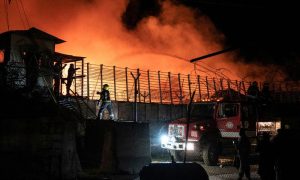
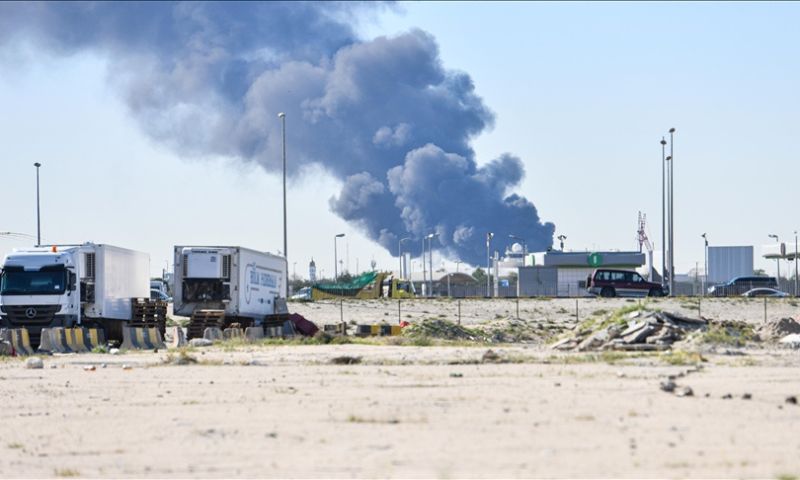
The committee also expressed concern over attacks on energy infrastructure, noting that restoring damaged assets is both costly and time-consuming, which can significantly affect overall supply availability.
It stressed that any actions compromising energy security—whether through attacks on infrastructure or disruptions to maritime routes—heighten market volatility and undermine the collective efforts of DoC members to support market stability for producers, consumers, and the global economy.
The JMMC commended DoC countries that proactively ensured continued supply availability, particularly through alternative export routes, which have helped mitigate market volatility.
The committee will continue to closely monitor market developments and retain the authority to convene additional meetings or request an OPEC and non-OPEC Ministerial Meeting.
Since the war involving Iran, the United States, and Israel began on February 28, the Strait of Hormuz—through which around one‑fifth of the world’s oil supply normally flows—has been effectively closed, disrupting shipments and contributing to a sharp rise in global oil prices as markets react to tighter supply and heightened risk.