Key Points
- Strait of Hormuz closure disrupts global supply chains
- Fertiliser and diesel costs surge sharply
- Fresh produce prices may rise faster than grains
- Impact likely to hit consumers by autumn
- Political blame game intensifies ahead of midterms
WASHINGTON: The ongoing conflict involving Iran is poised to drive a new wave of food price increases in the United States, raising economic and political stakes just months before crucial midterm elections.
At the heart of the disruption is the closure of the Strait of Hormuz, a vital global shipping route for oil. The blockade has sent shockwaves through energy markets, driving up oil and fuel prices worldwide.
These increases are now filtering into the agricultural sector, where fuel, fertilisers and transportation costs are essential components of food production, CNBC reported.
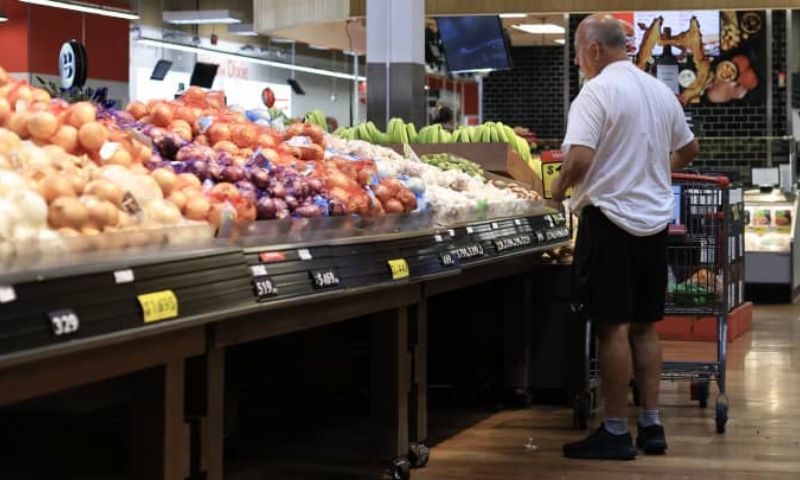
Economists warn that the combined impact of these rising input costs could soon be reflected on supermarket shelves. While current food supplies remain largely unaffected, the next planting and harvest cycles are expected to absorb these higher costs, potentially leading to noticeable price rises later in the year.
Fuel prices are a key factor. Diesel, which powers farm machinery and the transportation networks that move food across the country, has become significantly more expensive. At the same time, fertiliser prices have surged due to supply constraints linked to the disrupted shipping routes. Since fertilisers are critical for crop yields, higher costs are likely to be passed directly on to consumers.
In addition, the price of plastics—used extensively in food packaging—is also under pressure. As oil supplies tighten, natural gas is increasingly diverted towards energy use, limiting its availability for manufacturing plastics and further raising costs across the supply chain.
Fresh produce may be particularly vulnerable. Unlike grains, which can be stored, fruits and vegetables require continuous refrigeration during storage and transport. With energy prices already elevated, maintaining these cold chains has become more expensive, creating a double burden that could accelerate price increases for perishable goods.
The timing of these developments is politically sensitive. Food prices have been a persistent concern for American households in recent years, and any further increases could influence voter sentiment. Both major political parties are already framing the issue to their advantage, with critics linking rising costs to the decision to engage in the conflict, while others downplay the likelihood of prolonged economic damage.
Experts suggest that the full impact may only become apparent closer to the autumn, when newly harvested crops reach the market. If the Strait of Hormuz remains closed through the summer, the resulting cost pressures could be substantial.
With limited short-term solutions available, many policymakers see the reopening of the strait or a swift end to the conflict as the most effective ways to stabilise prices. Until then, American consumers may have to brace for another period of rising grocery bills, adding further strain to household budgets and reshaping the political landscape ahead of the elections.