
Key Points
- State Bank of Pakistan introduces framework for independent teen accounts
- Teenagers aged 13–18 can own and operate bank accounts and digital wallets
- Move targets financial literacy and early entry into formal banking system
- Initiative aligns with national financial inclusion and digital economy goals
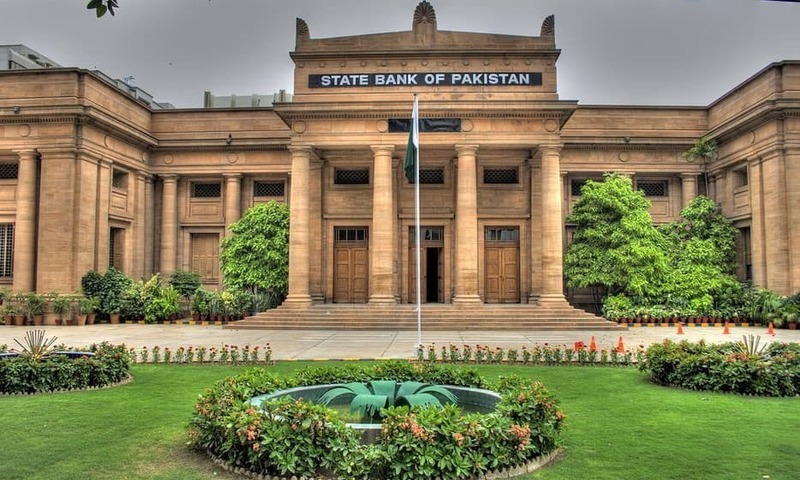
ISLAMABAD: The State Bank of Pakistan, the central bank, on Wednesday introduced a new framework allowing teenagers to open and operate bank accounts and digital wallets independently.
The central bank’s permission for teenagers is aimed at expanding financial inclusion and promoting responsible money management among youth.
The initiative would provide young users with secure access to formal financial services, enabling them to save, transact, and build financial habits in early life, an SBP statement said.
The framework addresses a longstanding gap in Pakistan’s banking landscape, where minors were largely restricted to parent-controlled or joint accounts, limiting their direct engagement with financial systems.
With an estimated 26 million individuals between the ages of 13 and 18, the Bank said the move is designed to integrate a significant segment of the population into the formal economy and prepare them for participation in a rapidly evolving digital financial environment.
Under the new structure, teenagers will be able to manage their accounts independently within a regulated framework, ensuring both accessibility and safeguards as they engage with banking services.
The initiative forms part of the central bank’s broader strategy to enhance financial inclusion and aligns with national efforts to expand digital financial services and literacy among underserved segments.
It also builds on Pakistan’s recent international recognition in youth financial inclusion, reflecting continued policy focus on equipping younger generations with the tools needed for economic participation.