LONDON: UK Prime Minister Keir Starmer has issued a stark 48-hour ultimatum to the British Medical Association (BMA), urging the union to reconsider a proposed pay and workforce agreement and submit it to its members for a vote, as tensions escalate ahead of planned nationwide strikes.
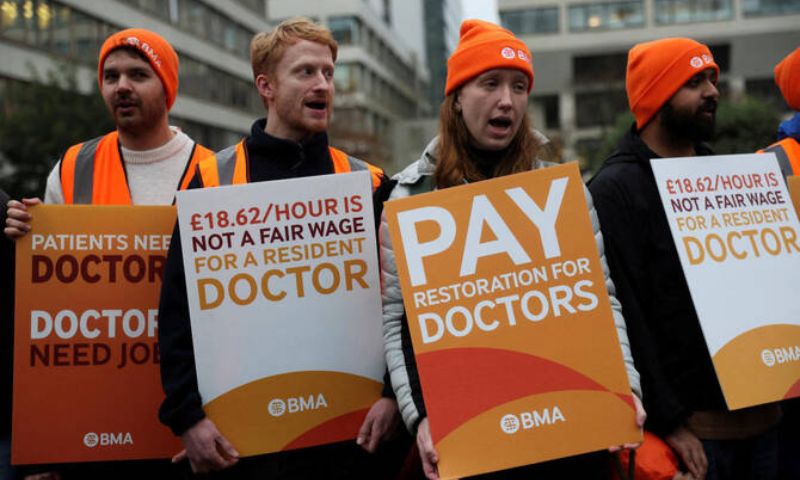
The dispute involves resident doctors in England — formerly known as junior doctors — who have announced a six-day strike from April 7 to April 13. The BMA argues that the government’s offer fails to adequately address years of pay erosion and mounting staffing shortages within the National Health Service (NHS).
In a strongly worded statement, Starmer criticized the union’s leadership for rejecting the deal without consulting its members. He described the move as “reckless,” emphasizing that the decision could harm both patients and the doctors themselves, according to Reuters.
According to the government, the proposed agreement includes an above-inflation pay rise for the current year and a cumulative pay increase of around 35 percent over three years.
It also introduces reforms to pay progression aimed at better rewarding experience, alongside financial relief measures such as reimbursing mandatory exam fees — costs that can run into thousands of pounds for trainees.
Additionally, the deal promises to expand the workforce by creating up to 4,500 new specialty training posts over the next three years, a move intended to ease long-standing staffing pressures across the NHS.
Starmer warned that rejecting the proposal without a vote could mean losing these benefits altogether. “Walking away from this deal is the wrong decision,” he said, urging the BMA to allow its members to decide.
However, union representatives remain unconvinced. Jack Fletcher, chair of the BMA’s resident doctors committee, pushed back against the government’s stance, arguing that the offer does not provide a sustainable solution. He stressed that the dispute is not about deadlines but about securing a meaningful and long-term settlement.
The BMA maintains that the proposed pay increases do not fully keep pace with inflation and that the structure of pay progression could entrench further real-term losses for doctors.
Despite the standoff, Fletcher indicated that talks with the government could resume, raising hopes that a compromise might still be reached in time to avert the strike.
With resident doctors accounting for nearly half of the medical workforce in England, the outcome of the negotiations is expected to have significant implications for healthcare services and patient care across the country.