
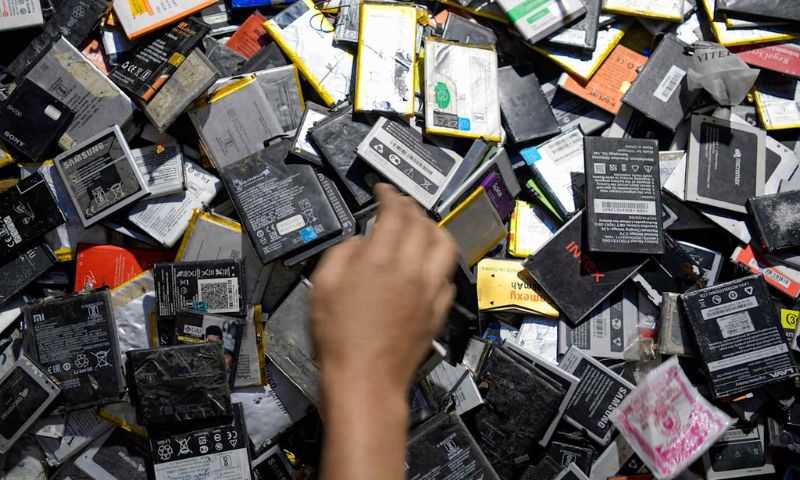



NEW DELHI: India’s push to build a domestic battery-recycling industry is running into high transport costs, fragmented collection networks and uneven supplies of used batteries, slowing efforts to recover critical minerals for electric vehicles and energy storage.
The government has introduced extended producer responsibility rules requiring battery makers and importers to meet collection and recycling targets. It has also approved 58 companies under a ₹1,500 crore critical-mineral recycling incentive scheme.
However, recyclers say moving spent batteries across India remains expensive because they are classified as hazardous goods and must follow strict handling and safety requirements.
Collection is particularly difficult outside major cities, where small volumes are scattered among consumers, workshops and informal scrap dealers.
ALSO READ: Bollywood Faces Backlash Over Silence on Student Protests
The economics are further strained by fluctuating prices for lithium, cobalt and nickel. Lower commodity prices can reduce the value of recovered material, while plants still face high spending on technology, electricity, compliance and skilled labour.
India had 520 registered battery recyclers as of March, according to government data, but gaps remain between reported recycling volumes and the generation of official recycling certificates.
Experts say clearer pricing mechanisms, stronger tracking systems and better integration of informal collectors are needed to create a reliable supply chain. Without improvements, recycling plants may struggle to operate at full capacity despite rising demand.
India sees battery recycling as central to reducing mineral imports, supporting electric mobility and strengthening energy security.