Key Points
- Growth projected at 3.5-4.5 per cent
- FY2025-26 GDP growth stood at 3.7 per cent
- Inflation expected to remain in 5-7pc range
- Current account seen staying balanced
ISLAMABAD: Pakistan’s central bank expects the country’s economic recovery to strengthen in fiscal year 2026-27, projecting real gross domestic product (GDP) growth in the range of 3.5 to 4.5 per cent, supported by easing financial conditions and improving macroeconomic fundamentals.
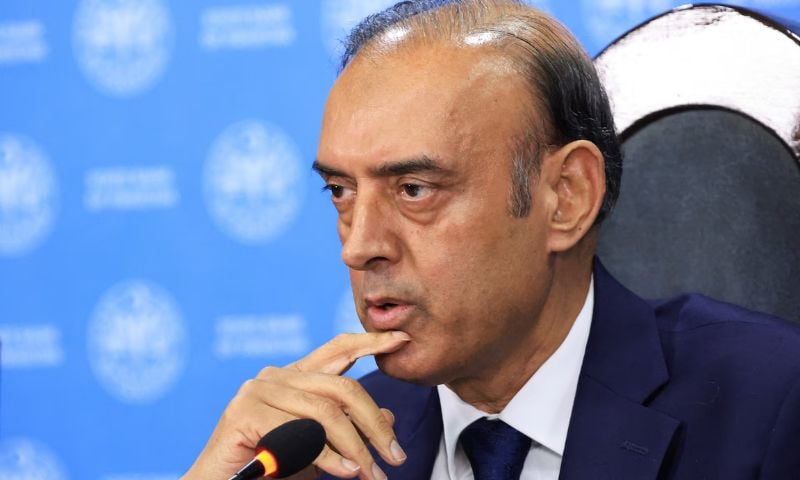
State Bank of Pakistan (SBP) Governor Jameel Ahmad unveiled the outlook, saying the economy had shown resilience during FY2025-26, expanding by 3.7 per cent despite global uncertainties and domestic challenges.
The central bank expects economic activity to remain broad-based across agriculture, industry and services during the current fiscal year, aided by lower borrowing costs, contained inflation and sustained reform efforts under the International Monetary Fund (IMF) programme.
Pakistan inflation to stay low
SBP also projected average inflation to remain within its medium-term target range of 5 to 7 per cent in FY2026-27.
However, it cautioned that risks remain from global commodity prices, geopolitical tensions and weather-related disruptions.
The current account is expected to remain broadly balanced, underpinned by strong workers’ remittances and steady export earnings.
ALSO READ: Pakistan Shifts Economic Strategy: Stabilisation to Export-Led Growth for Job Creation
The growth projection comes as Pakistan’s macroeconomic indicators continue to improve following a period of stabilisation measures.
Last week, ratings agency S&P upgraded Pakistan’s sovereign credit rating to “B” from “B-“, citing improved institutional stability and progress in implementing reforms under the IMF programme.
However, some economists have cautioned that achieving the upper end of the SBP’s target range will require a stronger pickup in private investment, exports and industrial output amid lingering structural challenges.
The government has set an ambitious economic agenda under its medium-term development framework, aiming to accelerate investment-led growth and strengthen the external sector’s resilience in the coming years.