


Key Points
- Government weighs limited load management and conservation steps during peak summer demand
- LNG import volatility linked to Middle East tensions is tightening fuel availability outlook
- Higher-cost furnace oil generation may be used to bridge gaps, adding tariff pressure
- Energy Minister signals only limited risk of short-duration load-shedding under worst-case scenario
ISLAMABAD: Pakistan is heading into the peak summer season under mounting pressure on its power system as global energy markets remain volatile amid ongoing Middle East tensions, tightening LNG availability and raising concerns over higher generation costs and possible supply management measures.
Energy officials and regulatory briefings indicate that the government is considering a contingency framework for limited load management in stressed areas, certain measures to restrain demand and selective use of expensive fuel-based generation to maintain grid stability during peak demand periods.
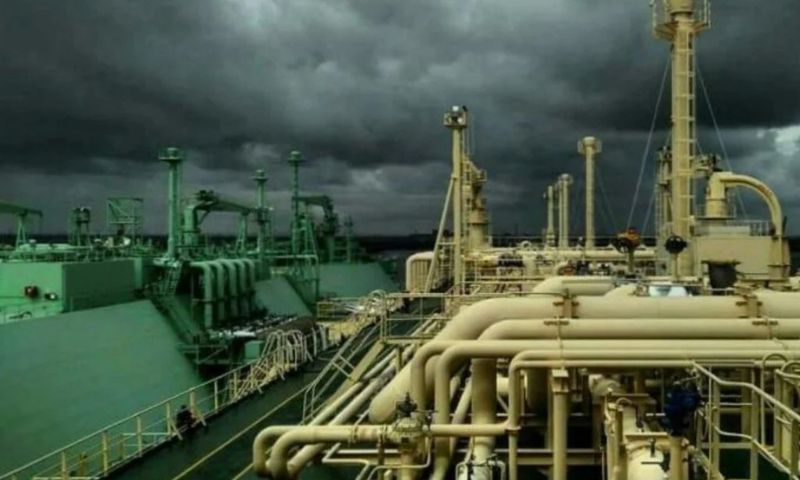
The international energy environment has remained unsettled due to geopolitical tensions in the Middle East, which have disrupted market movements, dismayed sentiment, increased shipping risk premiums and contributed to fluctuations in global LNG prices.
Import-dependent economies such as Pakistan remain exposed to these shifts because they are reliant on imported LNG for electricity generation.
Energy Minister Awais Leghari, in an interview with Reuters, sought to frame the risk in conditional terms, saying that the system could absorb disruptions under limited scenarios.
“In a worst-case scenario, if LNG cargoes stopped for several months, Pakistan might see one to two hours of load shedding during peak summer evenings,” he said.
According to official parliamentary briefings and energy disclosures, the Power Division has cautioned that tightening LNG availability could affect generation planning during the early summer period.
Gas-based power plants, which typically play a critical role in meeting peak demand, may face reduced dispatch if imported LNG cargoes are delayed or curtailed.
State-linked gas operator Sui Northern Gas Pipelines Limited (SNGPL) has also flagged pressure on imported gas availability in recent disclosures, indicating that LNG allocation may need to be prioritised across competing sectors during periods of shortage.
Any reduction in supply to the power sector could directly impact electricity generation capacity.
At the regulatory level, the National Electric Power Regulatory Authority (NEPRA) has consistently highlighted structural constraints in the power sector, including distribution inefficiencies and recovery challenges.
These inefficiencies contribute to localised load management in parts of the country.
The regulator does not forecast outages; its tariff determinations and system assessments underscore persistent pressure on reliable and affordable electricity supply.
Officials say that if LNG imports remain constrained, the system may rely more heavily on furnace oil-based generation during peak hours.
However, this option significantly increases the cost of electricity generation compared with gas and coal, adding further pressure on consumer tariffs.
In this environment, authorities are evaluating a hybrid strategy that includes targeted load management in high-loss areas, nationwide conservation campaigns to reduce peak demand, and optimisation of hydropower and nuclear generation to ease reliance on imported fuels.
Officials caution that the outlook remains fluid and dependent on international fuel market trends, LNG cargo scheduling and geopolitical developments in the Middle East, which continue to influence global energy prices and supply chains.