


Key Points
- Panama-flagged vessels face detention or extended inspection in Chinese port areas
- Developments occur amid the US-China dispute over port infrastructure and maritime access
- Panama registry remains the world’s largest open ship registry
- Maritime trade routes face increased regulatory and security scrutiny
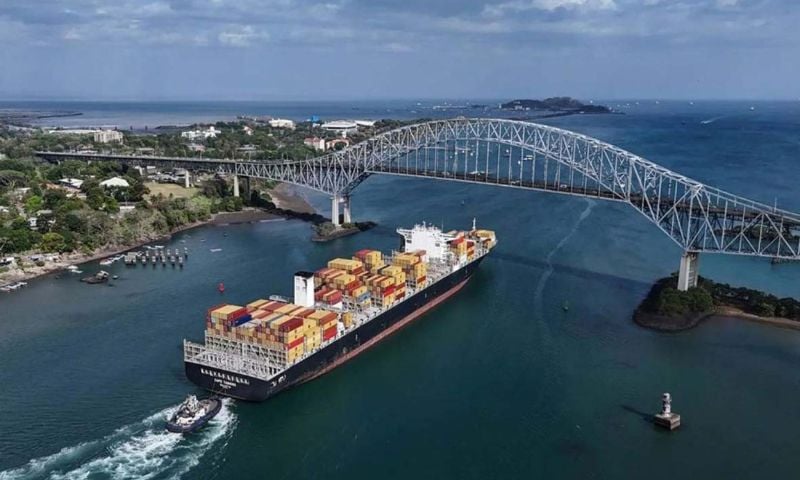
ISLAMABAD: China has detained Panama-flagged commercial vessels for extended inspection in selected port areas, according to shipping and trade sources quoted by international media, amid growing competition with the United States over control of maritime infrastructure.
Panama-flagged vessels, which operate under an open registry system, are widely used in international shipping and account for a significant share of global cargo movement.
The reported actions come as China and the United States continue to expand competing influence over global port facilities, logistics networks, and maritime trade routes.
China has increased investment in overseas ports through state-linked companies, while the United States has raised concerns over the strategic implications of foreign-controlled port infrastructure in key regions.
Port facilities are used for commercial operations but are also assessed by governments for potential strategic and security significance.
Global shipping networks depend on uninterrupted access to major ports and maritime chokepoints.
Any disruption to vessel movement can affect freight costs, delivery schedules, and supply chain operations.
More than 80 per cent of global trade moves by sea, making port access and shipping lane stability central to international commerce.
Panama operates the world’s largest ship registry, with vessels registered under its flag operating across major international trade routes, including Asia-Europe and transpacific corridors.
The developments come as global maritime trade faces pressure from geopolitical tensions, rising insurance costs, and regulatory restrictions in multiple regions.
Shipping analysts are monitoring whether the reported detentions remain limited to inspection measures or develop into broader restrictions affecting commercial vessel movement.