Key Points
- Pakistan urges stronger collective voice on global debt issues.
- Developing countries face rising debt servicing burdens.
- Tight financial conditions shrinking fiscal space for growth.
- Existing systems largely dominated by creditor-led mechanisms.
- Borrowers lacked institutional platform for coordination.
- Sevilla Commitment mandates UN-backed borrowers’ platform.
- Platform focuses on cooperation, not debt negotiations.
ISLAMABAD: Pakistan has called for stronger collective action among developing nations to address mounting debt pressures, urging broad participation in a new United Nations-backed Borrowers’ Platform aimed at amplifying the voice of debtor countries in the global financial system.
Mounting debt pressures intensify
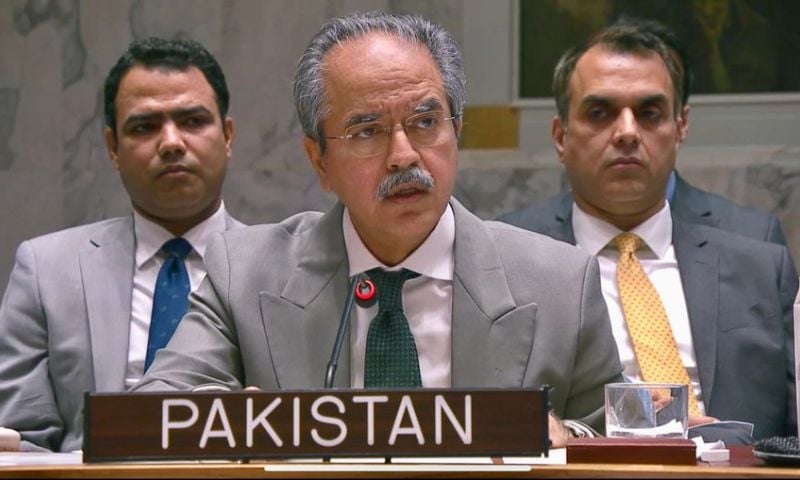
Speaking at a Group of 77 (G77) ambassadorial meeting at the United Nations (UN) headquarters, Pakistan’s Permanent Representative, Asim Iftikhar Ahmad, stressed that developing countries are grappling with increasingly complex debt challenges, including rising servicing costs, tighter financial conditions and shrinking fiscal space for sustainable development.
He warned that these vulnerabilities are not solely domestic in origin but are also shaped by structural imbalances in the international financial architecture, which, he said, has historically been dominated by creditor-driven mechanisms.
Platform to fill coordination gap
“For decades, borrower countries have lacked an institutionalised platform to exchange experiences and articulate collective perspectives,” he noted, describing this as a longstanding gap in the global system.
Ahmad said the proposed Borrowers’ Platform seeks to address that imbalance by creating a cooperative forum for developing countries. The initiative stems from the Sevilla Commitment adopted last year, which mandated the establishment of as UN-supported mechanism for borrower coordination.
“For decades, borrower countries have lacked an institutionalised platform to exchange experiences and articulate collective perspectives.” – Pakistan’s Permanent Representative at UN, Asim Iftikhar Ahmad.
He clarified that the platform is not intended to function as a negotiating bloc or “club of borrowers,” but rather as a space for peer learning, technical cooperation and knowledge sharing among countries facing similar debt challenges.
Global engagement
The envoy noted that momentum for the initiative has been building since finance ministers from borrowing countries agreed to advance the proposal during meetings held on the sidelines of the International Monetary Fund and World Bank annual gatherings in Washington last October.
A geographically representative working group, formed in coordination with United Nations Conference on Trade and Development, is now guiding preparations for the platform’s launch, ensuring it remains inclusive and member-driven.
The platform is scheduled to be formally launched on April 15 during the upcoming IMF–World Bank Spring Meetings in Washington, marking what Ahmad described as a “significant milestone” in implementing the Sevilla mandate.
He emphasised that the success of the initiative will depend on active participation from the Group of 77, noting that broad engagement is essential for the platform to reflect diverse experiences and evolve into an effective space for dialogue and cooperation.