Key Points
- Government will absorb approximately Rs45 billion to stabilise fuel prices.
- Proposal suggested sharp hikes of Rs76 petrol and Rs177 diesel.
- PM said protecting citizens from inflation remains top national priority.
- Previous two weeks saw government absorb Rs69 billion in subsidies.
- Global oil prices surged significantly due to Middle East tensions.
- Government plans targeted subsidy mechanism to ensure aid reaches deserving groups.
- PM urged austerity, reduced expenses, and responsible use of national resources.
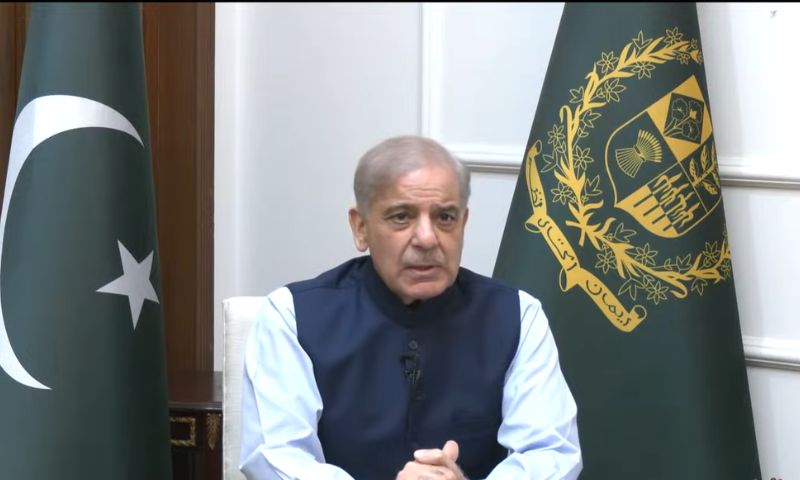
ISLAMABAD: Pakistan’s Prime Minister Shehbaz Sharif on Friday announced that the federal government would absorb a significant financial burden to prevent a sharp increase in petroleum prices, offering relief to citizens ahead of Eidul Fitr.
In a televised address to the nation, the premier said he had rejected a summary proposing a steep increase in petrol and high-speed diesel prices, despite mounting pressure caused by a surge in global oil markets.
The address began with Eid greetings, with the prime minister urging unity, compassion, and collective responsibility. He said the true spirit of Eid lay in sharing happiness with those in need, especially during difficult economic times.
Govt absorbs rising costs
The Prime Minister Shehbaz revealed that the government would bear an additional Rs45 billion burden to keep fuel prices unchanged for the coming fortnight. He said a proposal to increase petrol prices by Rs76 per liter and diesel by Rs177 per liter was turned down to shield the public from further hardship.
He added that over the past two weeks alone, the government had already absorbed Rs69 billion to prevent cumulative increases of Rs127 per liter petrol and Rs252 per liter in diesel.
“This is not a sustainable solution, but we are making every effort to protect the common man, particularly the underprivileged, from the impact of inflation,” he said.
Global crisis driving oil surge
The prime minister linked the rising pressure on fuel prices to escalating tensions in the Middle East, which have disrupted global energy markets.
Recent global developments suggest the situation could worsen further. Analysts warn that crude oil prices may climb towards $200 per barrel if supply disruptions persist, particularly due to instability around the Strait of Hormuz, a critical route for nearly one-fifth of global oil shipments.
Targeted relief mechanism planned
Acknowledging that the current subsidy benefits all segments of society, including wealthier groups, the prime minister termed it “unfair” and announced steps to ensure targeted relief.
He said relevant ministries had been directed to devise a comprehensive mechanism to ensure that government subsidies reach only deserving segments of society.
Call for austerity
PM Shehbaz also stressed the need for national austerity, urging citizens to adopt simpler lifestyles and avoid unnecessary expenditures. He placed particular responsibility on the affluent class to lead by example.
He said the government had already implemented austerity measures, reducing official expenditures and ensuring more responsible use of public resources. Savings, he added, were being redirected towards public welfare initiatives.
Concluding his address, the prime minister called for unity and sacrifice in the face of economic challenges, expressing hope for a peaceful resolution to ongoing global conflicts.
He prayed for stability, prosperity, and progress for Pakistan, and for relief for the Muslim world amid ongoing crises.