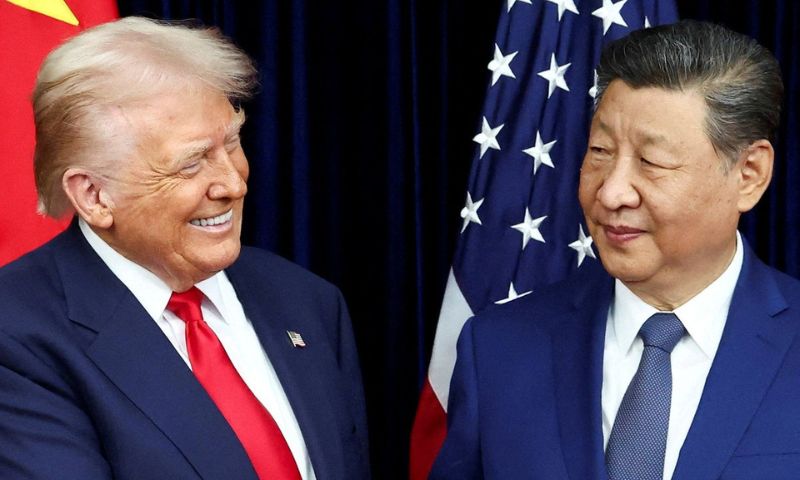
WASHINGTON: US President Donald Trump said an upcoming summit in Beijing with Chinese counterpart Xi Jinping could be delayed as Washington seeks Beijing’s help in reopening the Strait of Hormuz, which has effectively been shut down during the ongoing war with Iran.
In an interview published Sunday by the Financial Times, Trump said the United States wanted clarity from China before the leaders meet.
“We’d like to know before (the summit),” Trump said, adding that “we may delay,” without specifying how long the postponement could be.
Trump also warned that NATO could face a “very bad” future if US allies fail to assist efforts to reopen the Strait of Hormuz, a critical global oil transport route whose disruption has pushed energy prices sharply higher worldwide.
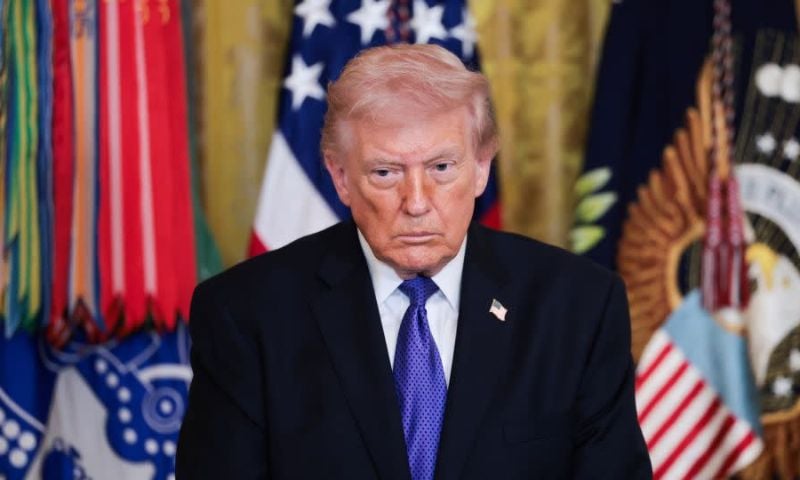
In the brief interview with the Financial Times, Trump said that just as the United States has supported Ukraine in its war with Russia, European allies should help secure the strategic waterway in the Middle East.
“If there’s no response or if it’s a negative response, I think it will be very bad for the future of NATO,” he said.
The White House has scheduled the summit for March 31 to April 2, 2026, in Beijing, though China has yet to officially confirm the dates.
Trump’s remarks come as Washington seeks greater international involvement in securing the Strait of Hormuz amid the widening conflict involving the United States, Israel, and Iran.
Preparatory discussions for the summit are already underway. US Treasury Secretary Scott Bessent and Chinese Vice Premier He Lifeng met in Paris on March 15 in talks aimed at clearing the path for the leaders’ meeting.
Trump and Xi last met in person in October 2025 in Busan, South Korea, where they agreed to a one-year trade truce after a period of intense tariff escalation between the world’s two largest economies.
Relations between Washington and Beijing remain strained over several issues, including trade disputes, Taiwan, and the growing tensions in the Middle East.
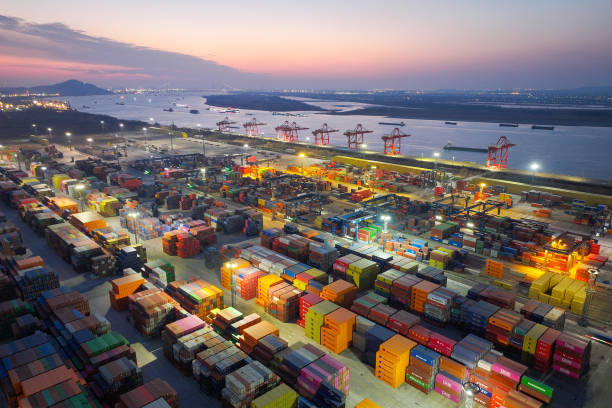
After returning to the office, Trump imposed tariffs of up to 145 percent on Chinese goods. Although the US Supreme Court later struck down some of those tariffs, the administration has launched new Section 301 investigations that could justify further trade barriers.
Taiwan Issue
Taiwan also remains a major point of friction between the two powers. President Xi has repeatedly warned that Taiwan is China’s most sensitive political issue, while Trump has reportedly sought assurances from Beijing even as the matter is seen as potential leverage in the broader relationship.
The war involving the United States, Israel, and Iran has further complicated ties between Washington and Beijing. China relies heavily on oil shipments passing through the Strait of Hormuz, with about 45 percent of its oil imports travelling through the narrow but strategically vital waterway.
Trump has suggested that China’s dependence on the route could give Beijing a strong incentive to assist international efforts to secure and reopen the passage for global energy supplies.
Global oil prices
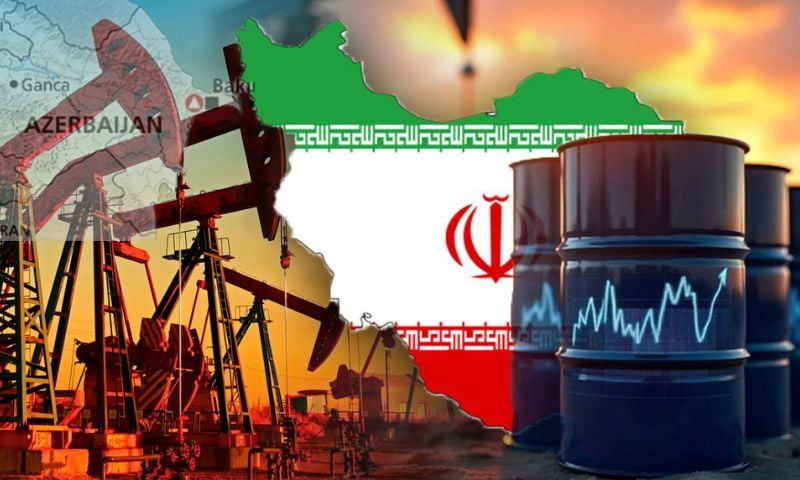
Global oil prices have surged by 40 to 50 percent after Iran choked off the waterway and attacked energy and shipping industry targets in neighbouring Gulf states. Crude prices continued rising as markets opened late Sunday.
The US president had called on countries including China, France, Japan, South Korea and Britain on Saturday to send ships to escort tankers through the strait, but several of the nations he named have offered only cautious responses.
“It’s only appropriate that people who are the beneficiaries of the Strait will help to make sure that nothing bad happens there,” Trump told the Financial Times on Sunday. Unlike the United States, Europe and China depend heavily on Gulf oil imports.
Iran warning
Trump’s comments came after Iran warned other countries against becoming involved in the conflict, which has spread across the Middle East.
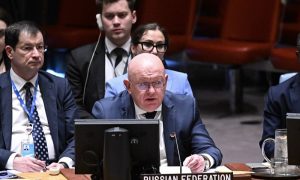
In a phone conversation with his French counterpart Jean-Noel Barrot, Iran’s top diplomat Abbas Araghchi urged other countries to “refrain from any action that could lead to escalation and expansion of the conflict”.
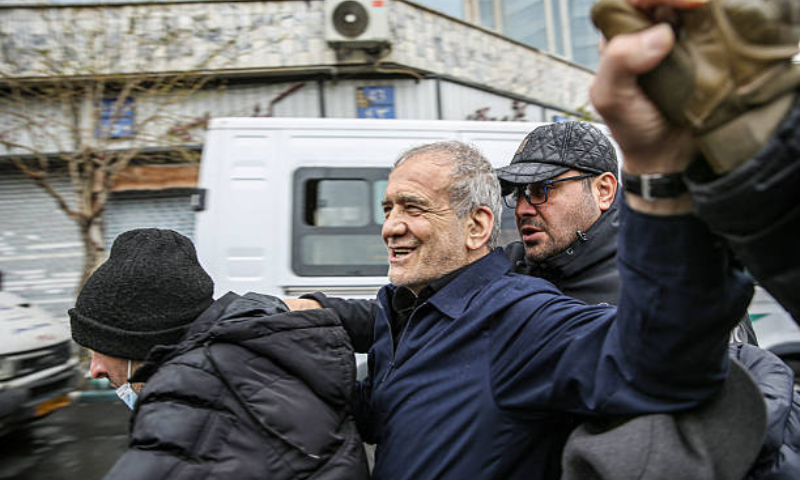
Arguing that the US security umbrella in the region was “inviting rather than deterring trouble”, Araghchi wrote on X that neighbouring countries should “expel foreign aggressors”.
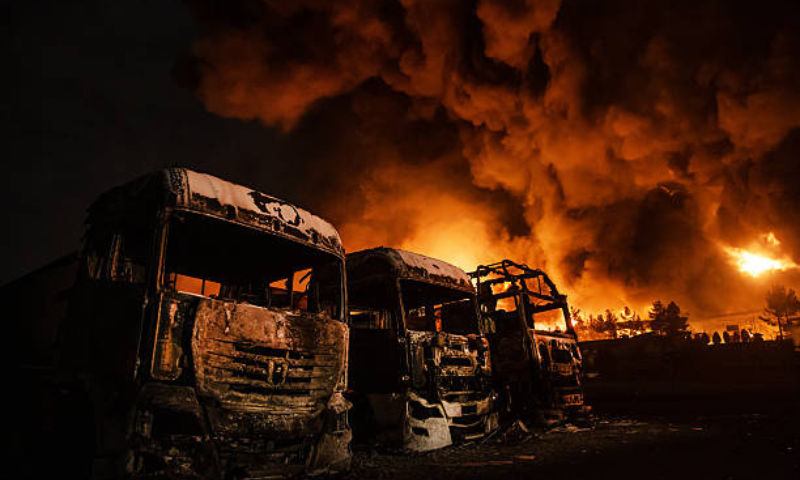
Iran has launched waves of attacks on countries in the Middle East that host US forces. Italy’s military said a drone attack at Ali Al Salem airbase in Kuwait — which hosts both US and Italian forces — destroyed an unmanned aircraft belonging to Italy but caused no casualties.
Rome’s foreign minister, Antonio Tajani, sought to play down the attack — the second targeting an Italian base in the Middle East this week — saying: “We are not at war with anyone.”
Iraqi authorities, meanwhile, said rockets wounded five people at Baghdad’s airport, which houses a US diplomatic facility, while Iran’s Revolutionary Guards said about 700 missiles and 3,600 drones had been fired at US and Israeli targets since the start of the conflict.
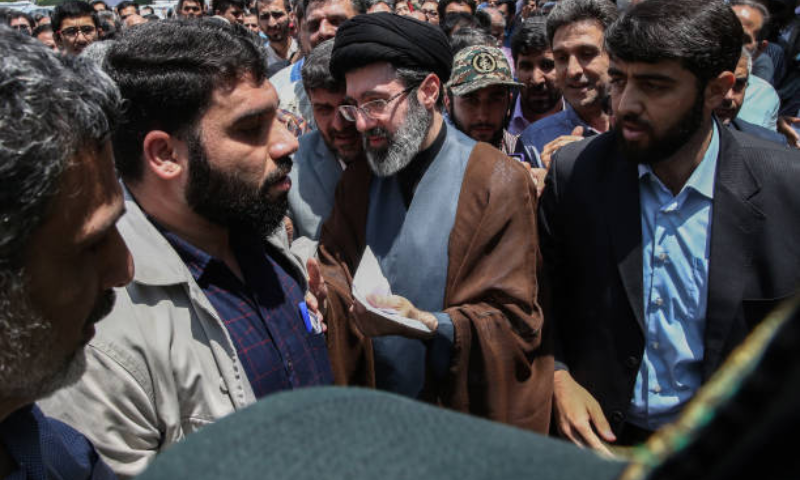
French President Emmanuel Macron also told Iran’s President Masoud Pezeshkian it was “unacceptable” to target French interests after an Iranian-designed drone killed a French soldier in Iraq’s Kurdistan region.
Energy markets
The war has also spread to Lebanon, where Israel launched a new strike on Beirut’s southern suburbs late on Sunday.
Israeli military spokesman Brigadier General Effie Defrin said the country still has “thousands of targets in Iran, and we are identifying new targets every day”.
The International Energy Agency, whose members recently agreed to release 400 million barrels of oil from strategic reserves, said Sunday that stocks would be made available immediately by member countries in Asia-Oceania. Supplies from the Americas and Europe would follow in the coming weeks.
As global markets reel, Trump has doubled down on his position, telling NBC News in a weekend interview that Tehran appeared eager to negotiate but that Washington would continue fighting to secure better terms.
“Iran wants to make a deal, and I don’t want to make it because the terms aren’t good enough yet,” Trump said.
But Araghchi, speaking to the CBS programme “Face the Nation”, rejected suggestions that Tehran was seeking an agreement.
“We are stable and strong enough,” he said. “We don’t see any reason why we should talk with Americans, because we were talking with them when they decided to attack us.”
Millions displaced
Despite the sharp rhetoric, life in Tehran appeared more normal than in previous days since the start of the war on February 28.
Traffic was heavier than last week, and some cafes and restaurants had reopened. More than a third of stalls in the Tajrish bazaar, a popular shopping district, were also open as Nowruz, the local New Year, approaches.
Some residents queued at ATMs to withdraw cash after online services at Bank Melli, one of Iran’s largest banks, were disrupted in recent days.
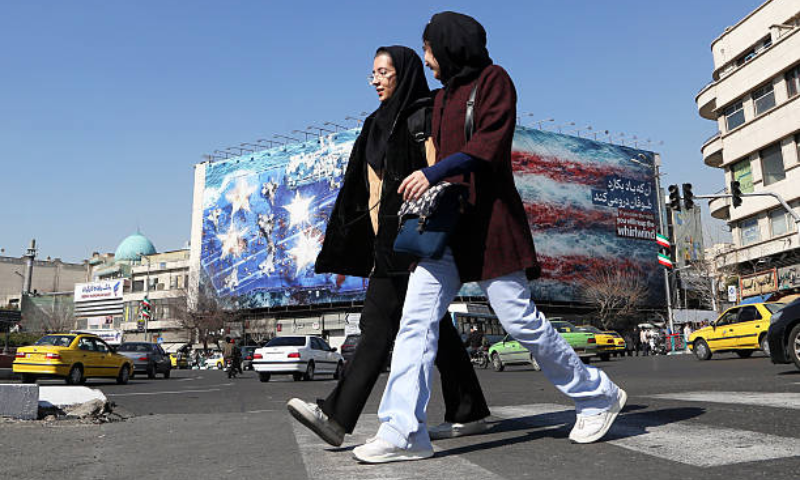
A similar picture was reported outside the capital. Speaking from Tonekabon, a city in Mazandaran province along the Caspian Sea, a 49-year-old resident identified as Ali told AFP that shops were open and crowded despite steep price increases.
“Only the main square is closed every night, and government demonstrations take place,” he said, adding that only Iran’s domestic intranet was functioning without outside internet connections.
More than 1,200 people have been killed by US and Israeli strikes, according to figures from Iran’s health ministry that could not be independently verified.
The UN refugee agency estimates that up to 3.2 million people have been displaced across Iran since the conflict began.