KEY POINTS
- Pentagon reports high expenditure on munitions and logistics
- Preparatory and support expenditures not included
- Conflict causes regional instability and humanitarian displacement
- Global markets, especially oil, impacted by the war escalation
ISLAMABAD: The United States spent at least $11 billion during the first six days of its military campaign against Iran, according to Pentagon officials briefing lawmakers on the conflict’s rapid financial toll.
The briefing detailed that the figure represents the cost of munitions, logistics, and operational deployments, although it does not yet account for preparatory and support expenditures.
Analysts warn that the total cost is expected to rise as the campaign continues.
The military operations, which began with coordinated US and allied airstrikes targeting Iranian facilities, have contributed to significant regional instability.
According to the United Nations, the conflict has led to the internal displacement of nearly three million people within Iran, highlighting the humanitarian dimension of the war.
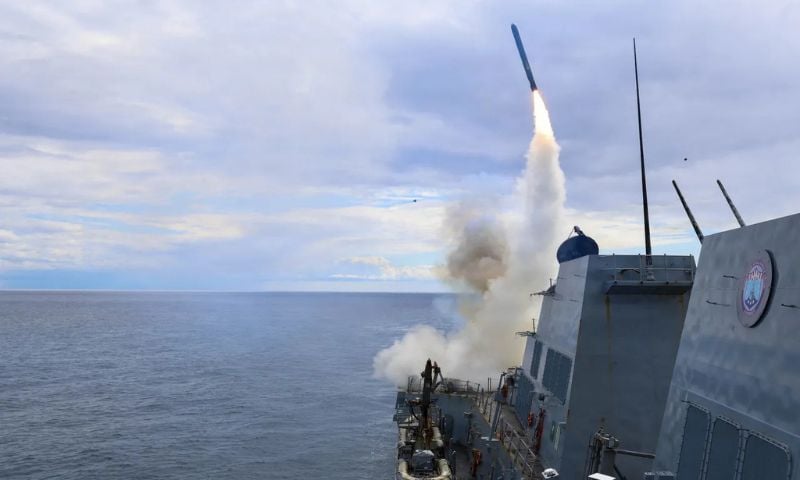
Pentagon officials noted that nearly $5.6 billion worth of munitions were expended during the initial two days, reflecting the intensity of operations and use of advanced weaponry.
Lawmakers indicated that additional funding requests in the tens of billions could soon be needed to sustain the campaign.
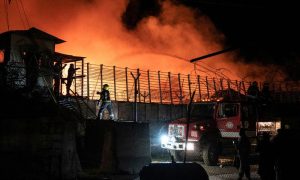
The financial and operational pressure is compounded by disruption to regional trade routes, with at least 19 commercial vessels damaged so far in the Gulf, and global energy markets reacting sharply.
Oil prices have surged above $100 per barrel as shipping and infrastructure attacks continue, intensifying global economic concerns.
US defense industry leaders are already coordinating to replenish depleted stockpiles, while energy analysts warn that continued volatility is expected as long as the conflict affects oil production and maritime security.
President Trump has publicly stated that the military campaign is proceeding as planned, although Congress continues to demand transparency regarding both strategy and expenditures.
Experts suggest that the initial $11 billion outlay represents only the beginning of a potential, much larger financial burden should the conflict persist or expand.