


KEY POINTS
- UNAMA report based on Afghan Taliban accusations termed baseless.
- Pakistani strikes were intelligence-based.
- Only military and terrorist targets were hit.
- Images and videos support Pakistan’s military-only strikes.
- Taliban and Fitna Al-Khawarij distinctions increasingly blurred.
- Experts say civilian casualty claims seek misplaced sympathy.
- Pakistan urges independent verification to protect regional stability.
ISLAMABAD: Pakistan has rejected claims of civilian casualties in recent cross-border strikes, calling them part of a misleading propaganda campaign by the Afghan Taliban government and sections of Indian media, officials and security experts said.
According to official sources, “baseless allegations circulated by the Afghan Taliban led to a report by the United Nations Assistance Mission in Afghanistan, which does not reflect ground realities. The report is being used to amplify an anti-Pakistan narrative.”
— Rao Zishan (@raozeeshan543) March 4, 2026
Pakistani authorities maintain that any military action was carried out strictly in response to unprovoked aggression and targeted only hostile military and terrorist infrastructure, not civilians.
Pakistan Army’s position
Addressing the issue during a press briefing, the Director General of Inter-Services Public Relations (ISPR) said the Pakistan Army acted on verified intelligence and struck exclusively military objectives.
Baseless allegations circulated by the Afghan Taliban led to a report by the United Nations Assistance Mission in Afghanistan, which does not reflect ground realities. The report is being used to amplify an anti-Pakistan narrative.” – Official sources
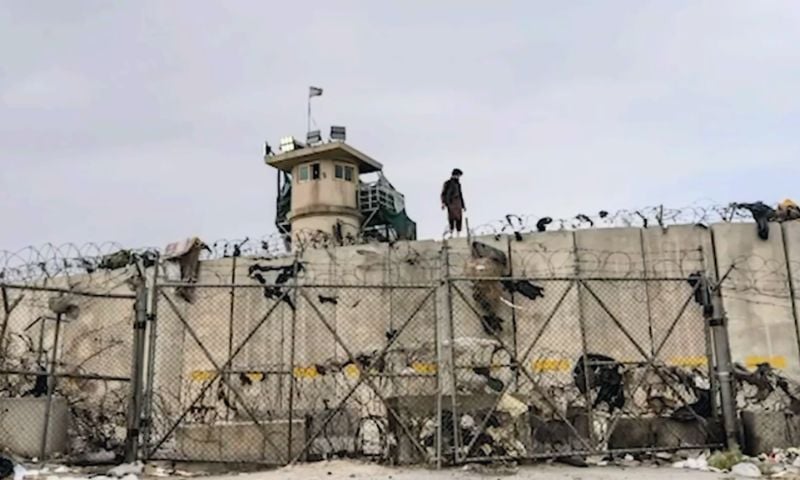
The military spokesperson said the targets included Afghan Taliban brigade and battalion headquarters, ammunition depots, logistics bases, and checkpoints.
He stressed that the operations were conducted in a “highly professional manner” and categorically rejected reports of civilian casualties as unfounded.
Security analysts noted that several international media outlets and open-source assessments support Pakistan’s version of events.
They said available images and videos indicate that only military installations were hit.
Experts also argued that Pakistan’s armed forces have a record of operational transparency and adherence to international norms, and do not deliberately target civilian populations.
However, they pointed to the growing operational overlap between the Afghan Taliban and Fitna Al-Khawarij, which, they said, has blurred distinctions on the ground.
Unverified and fabricated allegations, particularly in an environment where militant groups and de facto authorities appear indistinguishable, risk undermining regional stability and peace.” – Independent experts
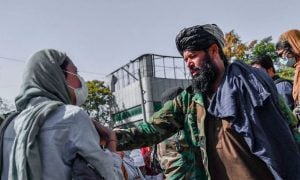
According to analysts, the similarity in appearance between Afghan Taliban, Fitna Al-Khawarij and civilians — often dressed in traditional shalwar kameez — can lead to misinterpretations by international observers unfamiliar with local dynamics.
Allegations of misinformation
Experts further asserted that the Afghan Taliban have previously circulated inaccurate information to shape favourable narratives, and alleged that claims of civilian casualties are being used to divert attention from governance and security challenges within Afghanistan.
They warned: “Unverified and fabricated allegations, particularly in an environment where militant groups and de facto authorities appear indistinguishable, risk undermining regional stability and peace.”
Pakistan has urged international bodies and media organisations to independently verify claims on the ground and avoid relying on what it describes as politically motivated or misleading sources.