


ISLAMABAD: Facing the risk of fuel supply disruptions amid escalating tensions in the Gulf region, the government has rolled out a comprehensive contingency plan aimed at preventing shortages of petrol, gas and electricity across the country.
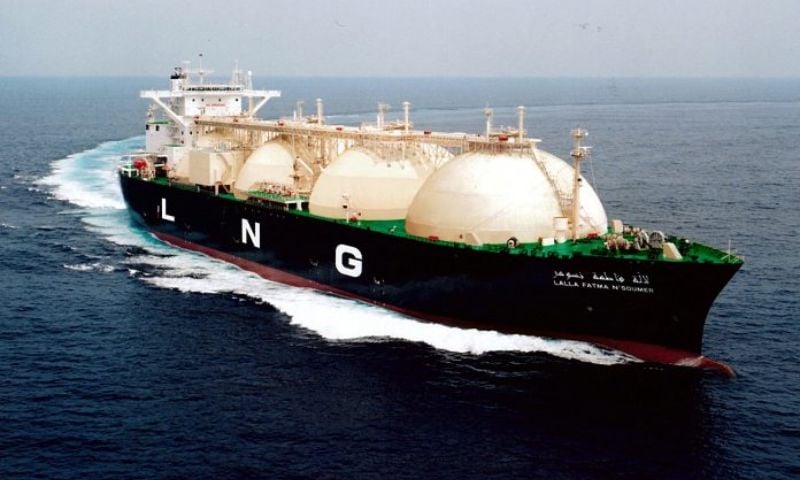
The move follows signals from Qatar that liquefied natural gas (LNG) cargoes bound for Pakistan may be affected due to the ongoing Gulf conflict.
The development prompted Prime Minister Shehbaz Sharif to authorise an emergency response framework to ensure uninterrupted energy supplies for households, transport and industry.
Key features of the contingency plan
A ministerial committee led by Finance Minister Muhammad Aurangzeb has been empowered to take swift decisions to stabilise the energy chain. The plan focuses on immediate, short-term adjustments to balance supply and demand.
Revival of local gas production
The government will fast-track the restoration of 350 million cubic feet per day (mmcfd) of domestic gas production that was earlier curtailed due to surplus LNG imports. This measure aims to reduce reliance on foreign shipments.
Prioritised gas allocation
Gas supplies will be diverted strategically: Fertiliser plants will face temporary cuts, though officials insist that over 800,000 metric tons of existing urea stocks will prevent shortages.
Gas flow to power plants will be reduced from 250 mmcfd to 80 mmcfd. CNG stations may experience partial or complete suspension if the situation worsens. Households could see rationing during peak evening hours.
Alternative fuel for power generation
To avoid electricity blackouts, some idle power plants may be operated on furnace oil or other alternative fuels during high-demand hours.
Securing crude oil routes
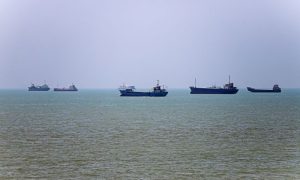
With tensions affecting the Strait of Hormuz and the Red Sea shipping lanes, Pakistan is exploring alternative arrangements. The prime minister is expected to seek support from Saudi Arabia to ensure crude oil shipments continue through safer maritime routes.
External pressures mount
Global oil markets have already reacted sharply. Crude prices have crossed $83 per barrel, raising concerns about domestic fuel price adjustments and additional strain on foreign exchange reserves.
At the same time, LNG prices are climbing due to limited global availability, making it costly for Pakistan to secure cargoes from spot markets. The external account situation adds to the challenge.
According to the Pakistan Bureau of Statistics, the trade deficit surged to $25 billion during the first eight months of the fiscal year – a 25% increase compared to last year.
Exports declined 7.3% to $22.7 billion during July–February, marking seven consecutive months of contraction. In contrast, imports rose 8.1% to $45.5 billion, widening the gap between foreign exchange earnings and payments.
Exporters argue that the relatively strong rupee – hovering around Rs279.5 per dollar – has eroded competitiveness in global markets. Meanwhile, the central bank is relying on remittance inflows and foreign exchange market interventions to manage the pressure.
Risk to remittances
Any prolonged conflict in the Gulf region could also impact remittances from overseas Pakistanis working in Middle Eastern countries, potentially adding another layer of stress to the current account balance.
A delicate balancing act
The government’s contingency strategy reflects a shift toward energy prioritisation – ensuring domestic stability even at the cost of industrial slowdowns. By boosting local production, managing demand and seeking diplomatic fuel arrangements, Islamabad hopes to cushion the economy from a deeper crisis. However, much will depend on how long regional tensions persist and whether global energy markets stabilise in the coming weeks.