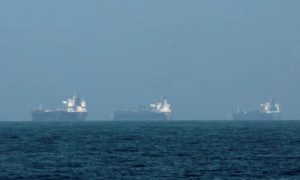
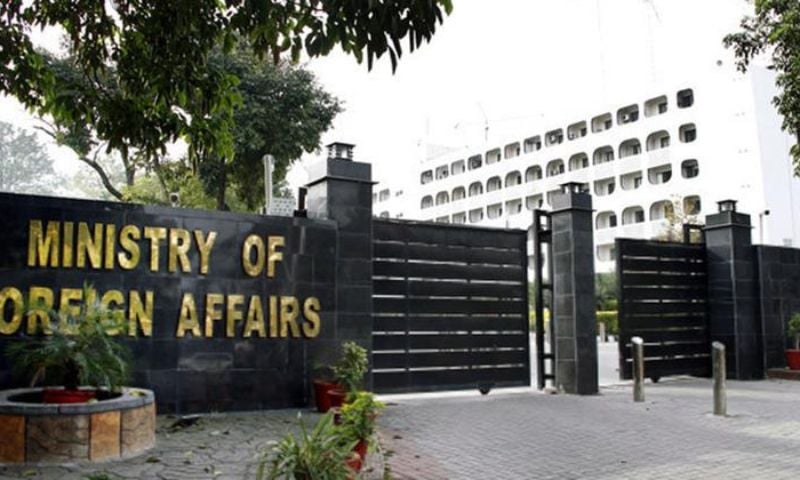
ISLAMABAD: Pakistan has advised its nationals residing in the Gulf region to exercise extreme caution amid the evolving situation in the Middle East and the Arabian Gulf.
In an official advisory on Sunday, the Foreign Office urged citizens to remain indoors where possible, avoid unnecessary travel, and strictly follow the instructions and guidelines issued by their respective host governments.
In response to the developing regional circumstances, the Ministry has activated its Crisis Management Unit to closely monitor the situation and provide necessary assistance to Pakistani nationals. The unit is operational 24 hours a day.
For information or emergency support, citizens may contact the Crisis Management Unit at: +92-51-9207887.
Additionally, emergency contact details of Pakistani embassies and consulates have been made available to facilitate nationals abroad. Pakistanis are encouraged to reach out to these offices for any required information or assistance.
Earlier Iran launched a new wave of missile and drone strikes targeting US military bases across the region as well as Israeli territory, state media reported, in retaliation for a massive US–Israeli attack that killed Supreme Leader Ayatollah Ali Khamenei.
Iranian state television said 27 US bases in the region were among the targets, along with Israel’s military headquarters and a defence industries complex in Tel Aviv.
Iran’s Islamic Revolutionary Guard Corps (IRGC) said it had launched a sixth wave of attacks in retaliation for US and Israeli bombardment of Iranian territory, according to state media.
The IRGC said it carried out “extensive missile and drone” strikes targeting Israel and US military bases across the region.
According to the statement, 27 US bases were targeted, along with Israel’s Tel Nof airbase, the Israeli army’s command headquarters at HaKirya in Tel Aviv, and a major defence industrial complex in the same city.
The IRGC warned that Iranian forces would “implement a different and harsh step of revenge, with successive, regrettable slaps,” signalling the possibility of further escalation.
The rapid exchange of strikes has heightened fears of a broader regional confrontation, with multiple countries hosting US military assets placed on high alert.
The situation remains fluid as both sides signal further action in what is becoming one of the most serious escalations in the Middle East in recent years.