
Key points
- Abrar, Shadab and Nawaz labelled X-factor
- Colombo pitch expected to aid spinners
- Tariq’s unusual action draws attention
- Middle overs battle may decide clash
ISLAMABAD: Indian media have cast Pakistan’s spin unit as a key threat to India’s title defence ahead of the rivals’ T20 World Cup 2026 showdown in Colombo on 15 February, arguing that conditions at the R. Premadasa Stadium could turn the middle overs into a decisive battleground.
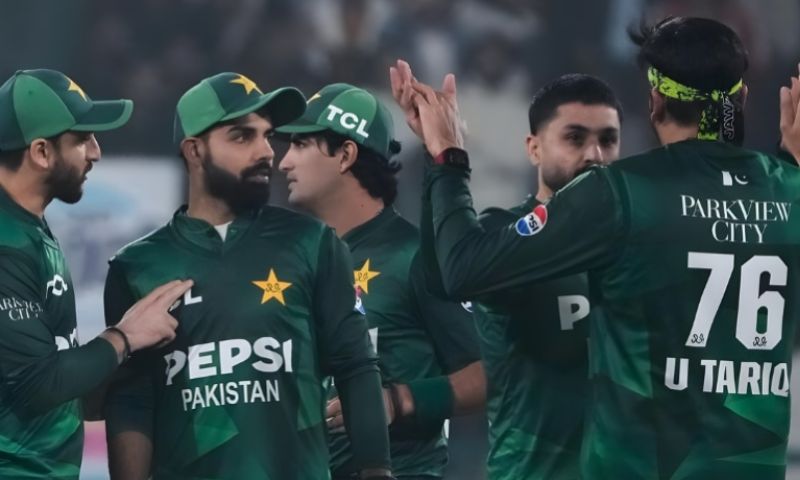
In a detailed preview, The Indian Express described Pakistan’s “multifaceted” spin group — led by Abrar Ahmed, supported by Shadab Khan and Mohammad Nawaz, and complemented by the unorthodox off-spinner Usman Tariq — as an “X-factor” capable of troubling India’s power hitters if the surface grips and slows.
Another Indian Express report earlier in the tournament noted Pakistan’s broader spin-heavy thinking for Sri Lankan strips, framing it as a gamble that could unsettle favourites when the pitch rewards control and variation.
India Today echoed the theme, suggesting Pakistan’s spin attack has found a “perfect stage” in Colombo, with multiple wicket-taking options and a match context likely to amplify pressure on batters if early momentum is checked.
The Times of India has similarly highlighted spin as a central subplot of the contest, pointing to the Premadasa surface and recent matches where variation and grip played a major role in outcomes, bringing India’s own spin options into the conversation alongside Pakistan’s.
Dot-ball pressure
Much of the spotlight has inevitably fallen on Tariq, whose unusual “pause” and sling-style release has made him one of the tournament’s most discussed bowlers. The Times of India reported that former India spinner Harbhajan Singh urged Indian batters to “play him safely”, while another piece relayed Ravichandran Ashwin’s tactical advice on handling Tariq’s methods within the laws.
Pakistan’s own performances have fed the narrative. The Times of India said Pakistan “choked” the USA with spin in a recent win, presenting it as a dress rehearsal of sorts for the intensity of an India match where dot-ball pressure can become decisive.
With both teams carrying strong pace resources, Indian outlets argue the contest may still hinge on who controls the slower overs — and whether Pakistan’s spinners can force India into risk earlier than planned on a potentially tacky Colombo track.