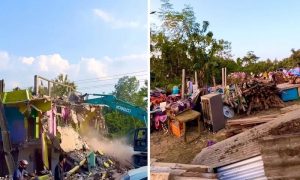
DERNA (Libya): In the wake of a devastating flood that struck the coastal city of Derna in Libya, the world’s attention has turned to caring for the survivors and dealing with the aftermath of this tragic disaster. The extent of the tragedy has led to varying estimates of the lives lost.
According to the most recent official death toll, provided by the health minister of the eastern-based administration, Othman Abdeljalil, the number of lives lost stands at 3,166 individuals.
However, a United Nations report released on Sunday has reported a significantly higher toll, with the death count from Derna alone reaching 11,300 people. The UN Office for the Coordination of Humanitarian Affairs, citing the Libyan Red Crescent, also noted that an additional 10,100 individuals are still missing in the devastated city. These figures are expected to rise further in the coming days and weeks as dedicated search-and-rescue teams tirelessly work to find survivors, as mentioned in the OCHA report.
The international community has mobilized to provide aid and support to Libya as emergency services grapple with the aftermath of this deadly flood. Over 40,000 people have been displaced in northeastern Libya, and this number is likely to be even higher due to difficulties in accessing the worst-affected areas.
The catastrophe unfolded when two dams upstream from Derna burst under the intense pressure of torrential rains brought by the hurricane-strength Storm Daniel. These dams had originally been constructed to safeguard the port city of Derna, which is home to approximately 100,000 residents, from significant flooding, similar to events that occurred in the mid-20th century. Unfortunately, the city center had seen extensive construction along the banks of a dried riverbed or wadi, which became a conduit for the rushing floodwaters as they surged towards the Mediterranean. Even a week after the disaster, the recovery teams are still discovering bodies.
International aid, including essential medicines, emergency surgical supplies, body bags for the deceased, tents, blankets, carpets, hygiene kits, and food, is arriving from various organizations and countries, including the United Nations, Europe, and the Middle East. Heavy machinery has also been dispatched to aid in the removal of debris and facilitate recovery efforts.
The severity of the flooding, exacerbated by the deteriorating infrastructure in Libya, has raised questions about why the disaster wasn’t prevented, especially since cracks in the dams had been identified as far back as 1998. Prosecutor General Al-Seddik Al-Sour has initiated an investigation into the circumstances leading to the dam collapses.
Libya’s infrastructure has suffered due to years of neglect, conflict, and division in the nation following the ousting and death of longtime dictator Moamer Kadhafi in 2011. The country currently operates under two rival administrations that have been vying for power since Kadhafi’s removal.
Apart from the immediate challenges of dealing with the aftermath of the flood, aid organizations have also expressed concerns about the risks posed by unexploded ordnance and landmines, which have been shifted by the floodwaters into areas previously declared clear. Additionally, there is a heightened risk of water-borne diseases such as cholera.
To address the immense humanitarian needs of the hundreds of thousands of people affected, the United Nations has launched an appeal for more than $71 million. UN aid chief Martin Griffiths called for coordination between Libya’s rival administrations—the UN-backed, internationally recognized government in Tripoli and the administration based in the disaster-affected eastern region.
The scale of this devastation has elicited expressions of solidarity, with volunteers in Tripoli coming together to gather aid for the flood victims. Despite the profound loss experienced by survivors in Derna, they remain grateful for being alive and are coming to terms with the painful loss of loved ones. The tragedy has touched every family in the city, emphasizing the need for continued support and assistance in the days and weeks to come.