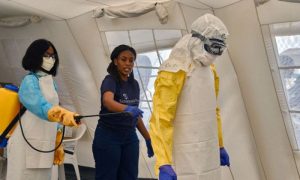



KABUL: In the strife-torn nation of Afghanistan, the unwavering dedication of humanitarian workers often goes unnoticed, overshadowed by the backdrop of conflict and instability.
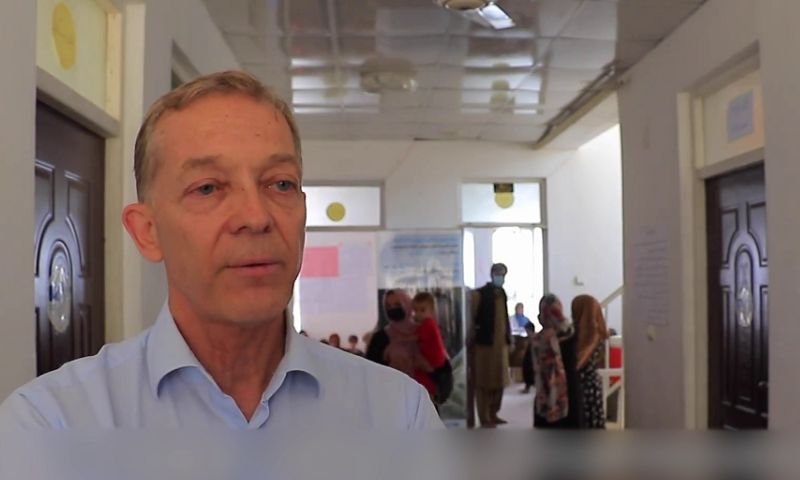
As the coordinator for the United Nations Office for the Coordination of Humanitarian Affairs (OCHA), for Afghanistan, Daniel Endres, recently revealed the past two years have witnessed the tragic loss of 38 brave souls who were serving humanity in various capacities, with many being polio vaccinators and deminers.
Endres’ poignant statement not only pays tribute to the incredible courage of these workers but also sheds light on the immense challenges they face daily. These challenges extend beyond the hazards inherent in their work, as they grapple with insecurity, abduction, arrest, and captivity. The need to ensure their safety becomes even more pressing in the context of the Taliban government’s current rule.
The Taliban government, which now holds power, bears a legal responsibility to safeguard aid workers and those involved in the crucial task of distributing aid to the Afghan people, asserts Asadullah Nadim, a military analyst. The international community looks to the Taliban government to uphold this commitment and foster an environment where these valiant individuals can operate without fearing for their lives.
Despite the formidable obstacles posed by a lack of funding for humanitarian efforts, the United Nations managed to extend a helping hand to over 26 million individuals in 401 districts across Afghanistan last year. The scale of humanitarian needs in Afghanistan is staggering, affecting more than 29 million people who are in dire need of assistance. Daniel Endres emphasizes the pressing nature of this crisis, highlighting the urgency of concerted action.
In a nuanced response, the spokesperson of the Islamic Emirate counters claims of an unsafe environment for aid workers, affirming their support for those in this noble endeavour. Zabiullah Mujahid asserts that Western institutions perpetuate a narrative of Afghanistan’s instability, contrary to what they are witnessing on the ground. According to Mujahid, aid workers remain unharmed and receive the backing of the Islamic Emirate.
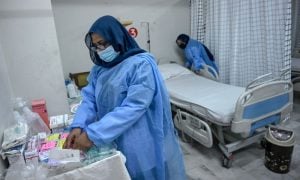
Tragedy struck the humanitarian community in February 2022 when eight health workers, including four women, were gunned down in separate attacks by unidentified assailants in the northern provinces of Kunduz and Takhar. This heart-wrenching incident underscores the ongoing threats faced by these selfless individuals and emphasizes the need for concerted efforts to ensure their safety.