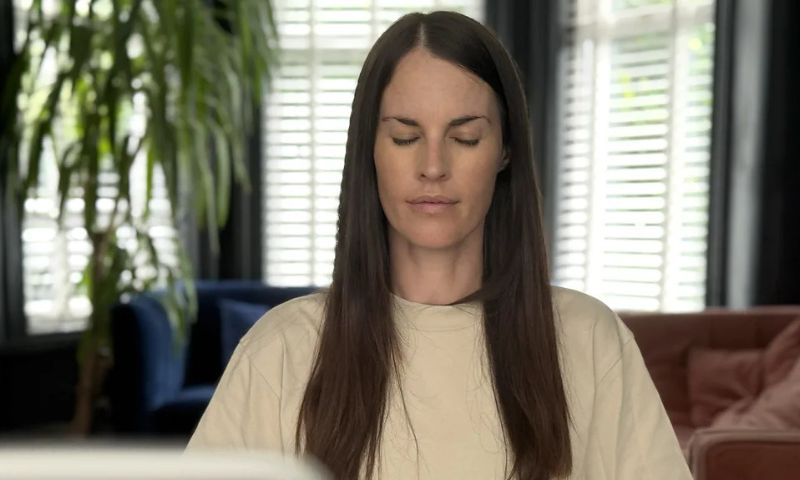
LONDON: Short, simple activities lasting from a few seconds to a couple of minutes may offer measurable benefits for mental wellbeing, according to emerging research into what researchers describe as “micropractices”.
The approach challenges the idea that improving wellbeing requires lengthy meditation sessions, intensive exercise or other time-consuming routines.
Eli Susman, author of Micropractice, says some wellbeing exercises can take as little as 30 seconds and can be incorporated into everyday activities.
Researchers are studying several techniques, including laughter yoga, mindful stretching, slow breathing and self-soothing touch.
Laughter Exercise
Laughter yoga involves deliberately initiating laughter without relying on humour or jokes.
Natalie Van der Wal, a researcher at Delft University of Technology in the Netherlands, says artificial laughter can often develop into genuine laughter during the exercise.
A meta-analysis led by Van der Wal found that non-humorous laughter was associated with reductions in depression and anxiety, with the analysis suggesting the effect could be greater than that associated with humour-related laughter.
The practice generally begins with several deep breaths before participants start with gentle, deliberate laughter.
One suggested technique is to place the hands on the stomach, begin with sounds such as “hi hi hi” and “ha ha ha”, gradually increase the volume and finish with another deep breath.
Mindful Stretching
Another form of micropractice involves brief stretching designed to interrupt prolonged periods of sitting.
Susman recommends simple movements that can ease tension in the neck and shoulders and encourage better posture, particularly for people who spend long periods working at a computer.
One study found that taking 15 to 30 seconds to stretch every 15 minutes was associated with an improvement in productivity of about 15 per cent.
Other research suggests that combining stretching with deep breathing and mindfulness may help reduce psychological distress. Mindful stretching breaks have also been linked to lower burnout and fewer medical errors in some settings.
Experts advise people to seek medical guidance before beginning a new exercise routine, particularly if they have existing health concerns.
Slow Breathing
Slow, controlled breathing is another technique that can be practised almost anywhere.
Researchers say slow deep breaths can activate the parasympathetic nervous system, which is associated with the body’s “rest and digest” response, potentially helping to counter the physiological effects of stress.
Studies have linked breathing exercises with reductions in stress, depression and anxiety.
Research led by Amit Kumar at the University of Naples Federico II in Italy found that taking three slow deep breaths increased alpha brain waves associated with calm and focused attention, as well as theta waves associated with relaxation.
Kumar says the technique can be used during stressful moments, including before an important meeting or when thoughts become difficult to control.
A suggested exercise involves taking three slow breaths of about 10 seconds each, with the exhalation lasting longer than the inhalation.
Self-Soothing Touch
Self-soothing touch is another brief practice being studied for its potential effects on stress and self-compassion.
Research by Susman and colleagues found that participants who placed their hands over their heart and stomach while directing kind thoughts towards themselves experienced lower levels of the stress hormone cortisol after practising the technique for about 20 seconds.
A follow-up study published this week also found that more frequent practice was associated with greater improvements in self-compassion over six months.
The technique involves gently placing one or both hands over the chest or upper arms, focusing on the warmth and pressure of the hands and directing supportive thoughts towards oneself.
Everyday Practice
Researchers emphasise that people do not need to adopt every technique.
Instead, brief mindful breaks can be incorporated into ordinary activities such as walking, washing dishes or pausing during work to take several slow breaths.
The evidence suggests that consistency may be more important than the length of individual sessions, allowing people to introduce small practices into their daily routines without major changes to their schedules.
Researchers say the response can vary from person to person, and individuals should choose practices that are comfortable and appropriate for them.