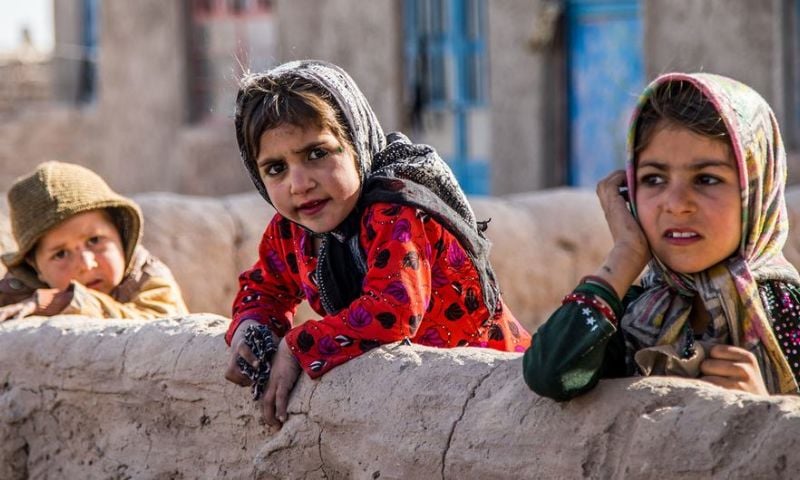



KABUL: Afghanistan is facing a worsening humanitarian and economic crisis, with nearly 28 million people living in poverty under Taliban rule, according to a new report released by the United Nations Development Programme (UNDP).
The report said almost three in four Afghans are unable to meet basic daily needs. Afghanistan’s real GDP grew by 1.9 per cent in 2025, down from 2.3 per cent the previous year. However, rapid population growth of 6.5 per cent resulted in falling income per person and worsening living conditions.
Country under growing strain
UNDP said millions of Afghans continue struggling to access food, clean water, healthcare, housing, heating and clothing.
More than 80 per cent of households are in debt, while nearly three-quarters rely on negative coping mechanisms to survive.
“Taking stock of Afghanistan’s socioeconomic reality, this year’s report reveals a country under growing strain,” said Kanni Wignaraja, UNDP Regional Director for Asia and the Pacific.
The situation has further deteriorated following the return of nearly five million Afghans since 2023, including 2.9 million returnees during 2025 alone.
According to the report, 92 per cent of recent returnees are unable to secure basic necessities for life.
Climate shocks and restrictions on women
The report also highlighted worsening drought conditions, with around 64 per cent of Afghanistan affected last year.
Access to adequate drinking water fell sharply from 59 per cent in 2024 to 44 per cent in 2025.
UNDP also warned that Taliban restrictions on women and girls continue to damage the country’s economy and labour force.
Nearly 100 decrees limiting women’s education, employment and freedom of movement remain in place.
Aid cuts worsening humanitarian pressures
Declining international aid has further intensified the crisis, with assistance to Afghanistan falling by 16.5 per cent in 2025.
Funding shortages forced more than 440 clinics to close or reduce services, increasing the number of people unable to access healthcare.
“Communities need more than short-term relief. They need a pathway to progress,” said UNDP Resident Representative Stephen Rodriques.