


Key points
- Scholars reportedly call armed resistance a religious duty.
- Group vows to continue its campaign against Taliban rule.
KABUL: At least 180 Afghan religious scholars, Islamic academics and researchers have issued a fatwa supporting war or armed action against the Taliban, the Afghanistan United Front said, Afghanistan International reports.
The religious ruling was issued by a council of scholars established in 2015 to provide interpretations of Islamic teachings and law, the Front said in the statement.
د افغانستان د مشهورو علماوو له خوا د طالبانو د مستبد رژیم پر وړاندې د نظامي مبارزې فتوا او حکم ⬇️ pic.twitter.com/gw1hnypaJF
— Afghanistan United Front (@afgunitedfront) August 27, 2026
The United Front said the scholars came from across Afghanistan and included specialists in Quranic interpretation, Islamic theology, Hadith, jurisprudence, the biography of Prophet Muhammad (PBUH), Islamic creed and other fields of Islamic studies.
The scholars described Afghanistan as being under what they called “tyranny” and argued that freeing Afghans from the situation constituted a religious duty.
The scholars also called on opponents of the Taliban to take up arms, according to the statement.
The reported fatwa could provide an important source of religious legitimacy for armed groups challenging Taliban rule, although the claim has not been independently verified and the scholars were not identified individually in the report.
Former Afghan commander welcomes Fatwa
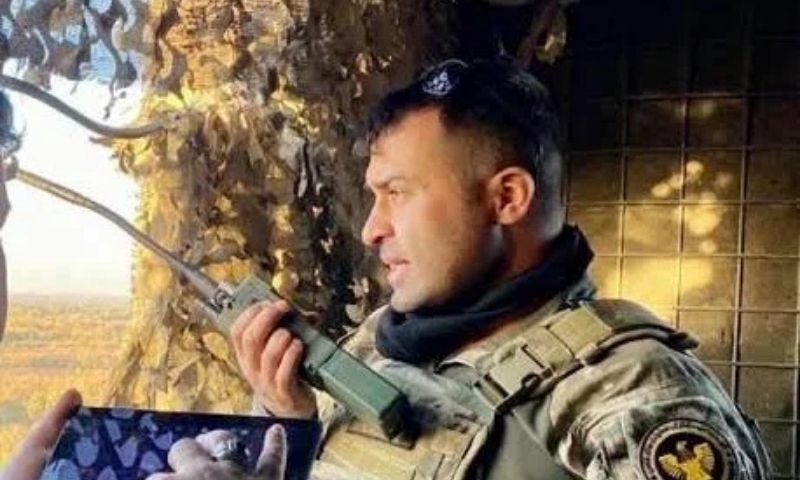
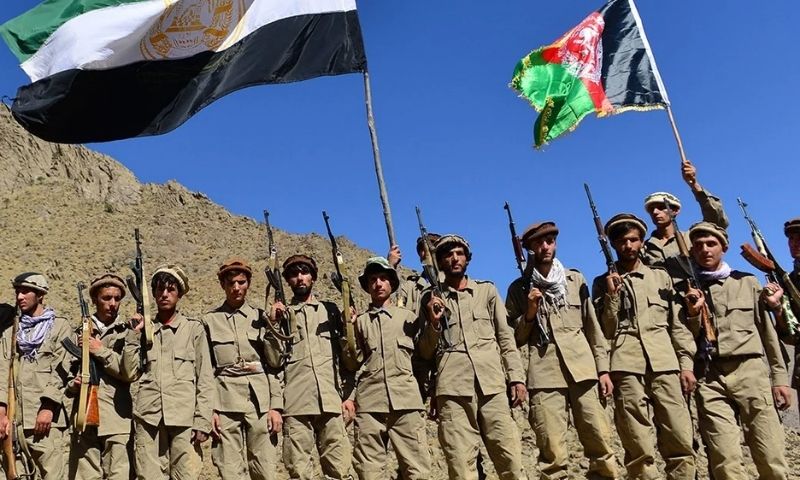
The United Front, led by former Afghan army commander Lt Gen Sami Sadat, said it had welcomed the scholars’ appeal and reaffirmed its commitment to armed resistance against the Taliban.
Yes we heard you and we will fight this virtuous fight! Whatever it takes however long it takes! https://t.co/kcLlQppapM
— Sami Sadat (@SayedSamiSadat) August 27, 2026
The group said it would continue its military campaign until the Taliban administration was overthrown.
Anti-Taliban campaign expands
The reported fatwa follows the United Front’s expedited resistance campaign against the Taliban regime.
The group announced Operation Muharib at the beginning of August, saying its military commission would direct operations against Taliban forces and other armed groups in Afghanistan.
It said the campaign was intended to support the liberation of Afghanistan and the restoration of power to the Afghan people.
READ ALSO: Afghanistan’s National Resistance Front Kill Several Taliban Regime Fighters in Herat, Badakhshan
The United Front has subsequently attacks in several provinces, including Kandahar, Helmand, Ghor, Baghlan and Badakhshan.
In one statement, the group stated its forces had killed or wounded 19 Taliban members in operations across five provinces and captured two Taliban military outposts, according to KabulNow.
The United Front is one of several armed groups opposing Taliban rule. The National Resistance Front and Afghanistan Freedom Front have also carried out attacks against Taliban positions, particularly in northern Afghanistan.
Religious legitimacy contested
The reported fatwa is significant because the Taliban itself derives much of its political identity from its interpretation of Islamic law and presents its rule as an Islamic government.
A challenge from religious scholars could therefore give anti-Taliban groups an additional argument in their campaign, shifting part of the confrontation from a purely political and military struggle to a dispute over the Taliban’s so-called religious legitimacy.
The Taliban captured Kabul in August 2021 after the collapse of the internationally backed government and the withdrawal of US and allied forces.
The Taliban’s rule has also faced sustained international criticism over restrictions on women and girls, including the continued exclusion of girls from secondary education and women from higher education.
The United Front’s latest statement indicates that the armed opposition is seeking broader support for its campaign.
Pakistan has repeatedly pointed out that Afghanistan remains a major security concern under the Taliban regime that has failed to fulfil its commitments to prevent Afghan soil from being used against neighbouring countries.
Islamabad says it is open to state-level dialogue with Kabul but wants written, verifiable assurances that its territory will not be used for terrorism.
The United States too does not recognise the Taliban or any other entity as the official government of Afghanistan.
The US State Department maintains that any future normalisation of relations or formal recognition would be conditional on the Taliban improving its human rights record, fulfilling its counterterrorism commitments and releasing Americans it has wrongfully detained.