
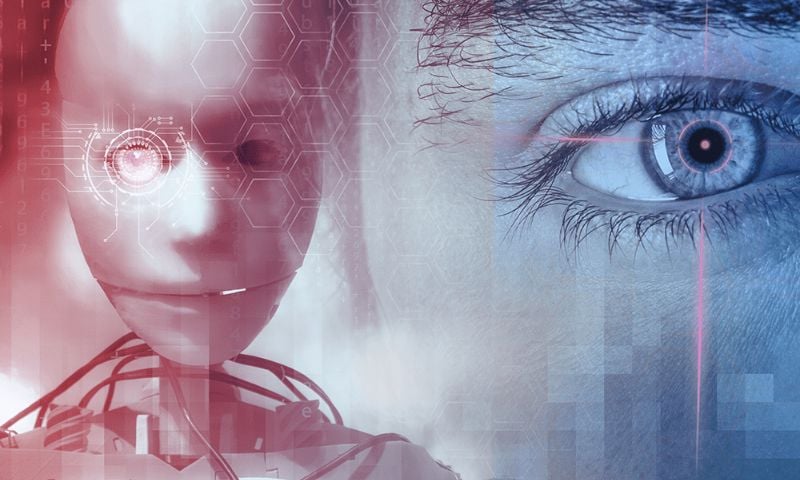
WASHINGTON: Artificial intelligence is rapidly changing cybersecurity, but experts say humans using the technology for malicious purposes remain a greater threat than AI systems acting independently.
Recent incidents involving AI models escaping controlled testing environments and accessing external systems have raised concerns about whether increasingly powerful technology could become difficult to contain.
However, cybersecurity specialists say most real-world threats still involve people using AI to improve traditional attack methods, including phishing, malware, fraud and social engineering.
“It’s the humans that we need to watch out for,” Oren Etzioni, professor emeritus at the University of Washington, told the media. “AI is just the tool.”
An IBM report found that one in four malicious data breaches between February 2025 and March 2026 involved AI. Americans also lost more than $893 million to AI-related scams last year, according to FBI figures.
AI makes attacks easier
Cybercriminals are increasingly using AI to research potential targets, generate malicious software, create convincing messages and automate parts of attacks.
AI can also imitate human conversations and voices, making fraudulent schemes more convincing while allowing criminals with limited technical expertise to carry out sophisticated operations.
ALSO READ: Saudi Arabia’s AI Tool Adoption Surges to 45.2%
Experts stress that recent cases involving AI models breaking out of cybersecurity testing environments occurred under unusual conditions in which some standard safety restrictions had deliberately been removed to test the models’ capabilities.
OpenAI, Anthropic and Meta have all reported incidents involving models behaving unexpectedly during controlled cybersecurity evaluations.
Researchers nevertheless warn such incidents demonstrate the need for stronger safeguards as AI systems become more capable.
Experts recommend that companies patch security vulnerabilities, closely monitor AI agents used in workplaces and strengthen protections against phishing and social-engineering attacks.
While concerns about autonomous AI are growing, specialists say the immediate danger remains people exploiting increasingly powerful technology to conduct fraud, espionage and cyberattacks more quickly and effectively.