
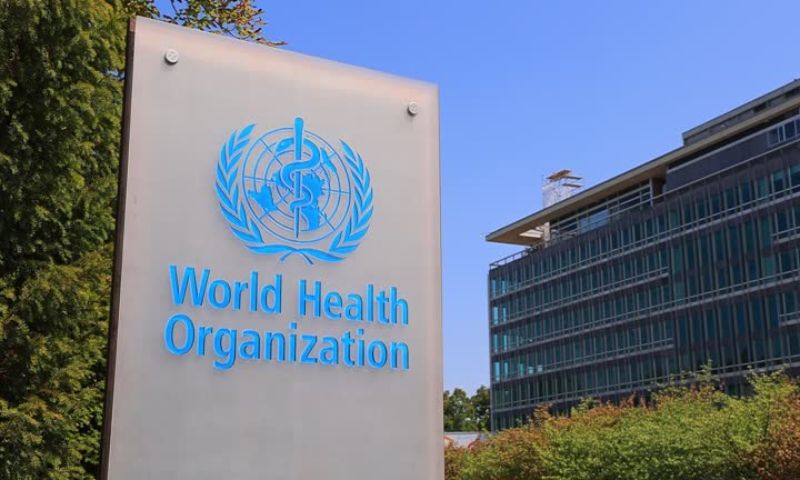
GENEVA: The World Health Organization (WHO) on Wednesday called on European governments to strengthen their healthcare systems against the growing threat of extreme heat, warning that the ongoing heatwave across the continent is endangering public health and exposing vulnerabilities in national preparedness.
The appeal came as several European countries continued to experience exceptionally high temperatures, with authorities reporting disruptions to daily life, including school closures and pressure on energy infrastructure. The heatwave has also left thousands of residents facing power outages in some areas.
WHO Director-General Tedros Adhanom Ghebreyesus said the latest weather conditions underscore the urgent need for governments to adapt their health services to a warming climate. Writing on social media platform X, he noted that temperatures across Europe are increasing at nearly twice the global average rate, heightening the likelihood and severity of future heat-related events.
He stressed that delaying action was no longer an option, urging policymakers to invest in climate-resilient healthcare systems while simultaneously accelerating efforts to address the underlying causes of climate change.
Scientists have repeatedly linked the growing frequency and intensity of heatwaves, droughts and floods to human-driven climate change. A recent scientific assessment found that the current European heatwave has been significantly intensified by global warming, estimating that temperatures would have been between two and four degrees Celsius lower without the influence of human-induced climate change.
The WHO also issued public health guidance to help people cope with the extreme conditions. The agency advised residents to recognise the symptoms of heat exhaustion, which may include headaches, dizziness, nausea and muscle cramps. It warned that heatstroke is a medical emergency and can manifest through confusion, collapse or seizures, requiring immediate medical attention.
2003 European heatwave claimed 70,000 lives
Highlighting the deadly consequences of prolonged heat exposure, the WHO recalled that an estimated 70,000 people died during the severe European heatwave of 2003, making it one of the continent’s worst climate-related disasters in recent history.
The agency further recommended limiting the use of electric fans when temperatures exceed 40 degrees Celsius, noting that fans may become ineffective and potentially increase heat stress under such conditions. For those with access to air conditioning, the WHO advised setting thermostats to around 27 degrees Celsius and using a fan to improve cooling efficiency.
People were also encouraged to stay hydrated by drinking water regularly throughout the day, with the organisation recommending a daily intake of at least two to three litres during periods of extreme heat.
The warning comes as Europe faces another summer marked by increasingly frequent and intense heatwaves, raising concerns among health experts about the long-term impact of climate change on public health and infrastructure.