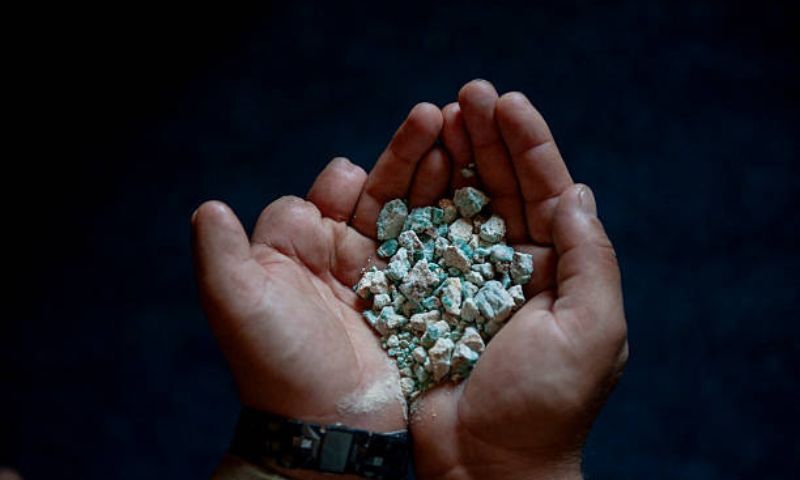



KABUL: Afghanistan’s vast mineral wealth is increasingly emerging not as a pathway to public prosperity but as another battleground in the Taliban’s internal contest for power, revenue and influence.
The struggle is particularly significant because many of the country’s mineral-rich areas lie far from Kandahar, the political centre of Taliban Supreme Leader Hibatullah Akhundzada’s authority.
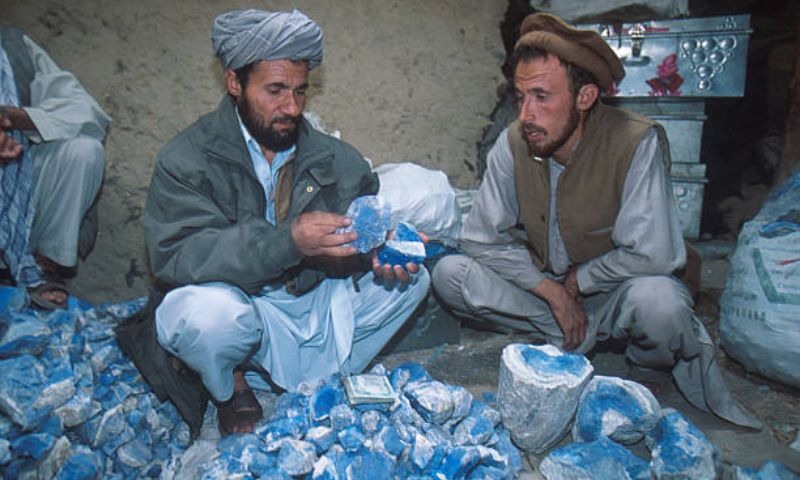
Major deposits are spread across Bamiyan and Daykundi, Badakhshan, Balkh, Sar-e Pul, Nangarhar and Logar, including copper, coal, gemstones, lapis lazuli, gas and other resources.
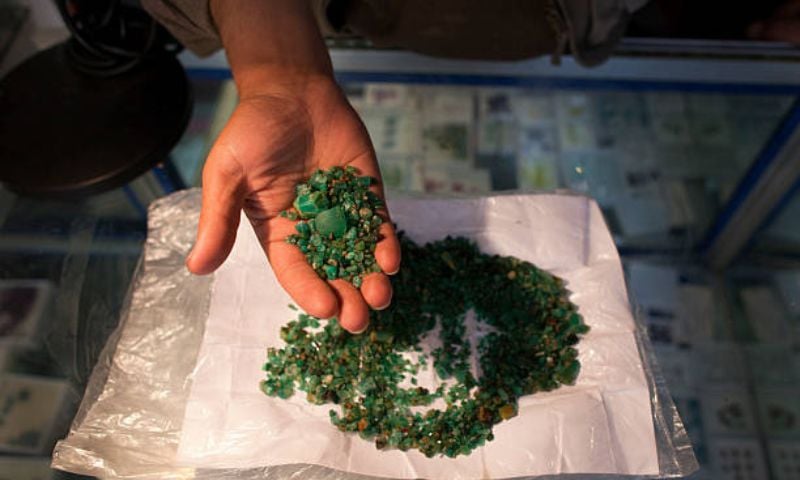
Yet control over the revenues generated from these resources is increasingly concentrated among competing Taliban power networks.
Afghanistan is believed to hold mineral resources worth nearly $1 trillion, yet the real struggle is not simply “the Taliban versus the world”. It is increasingly a contest between Kandahar and Haqqani-linked power networks over who controls and profits from that wealth — while ordinary Afghans, living above the resources, bear the consequences.
Kandahar Versus Haqqani
The resource map tells the story first. Major deposits are scattered across Hazarajat — including Bamiyan and Daykundi, rich in copper and coal — the north, including Badakhshan’s gemstones and lapis lazuli and the gas and coal reserves of Balkh and Sar-e Pul, and the east, including copper, gemstones and jade in Nangarhar and Logar. Yet few of these resource-rich areas are Pashtun-majority heartlands like Kandahar.
Power over that wealth, however, is concentrated in Kandahar. Supreme Leader Hibatullah Akhundzada rules from there through a small inner circle, centralising security and increasingly control over the purse strings, even though Kandahar itself is not where most of the minerals are.
Kandahar didn’t tolerate that for long. Akhundzada moved to strip Haqqani-aligned officials out of customs and ports, replacing them with his own loyalists, a direct power grab over the most lucrative revenue stream in the country.
Mining follows the same pattern: opaque, captured by elites and contested between factions. “The Haqqani network is keeping much of the revenue generated by the [mining] sector,” one mining expert told Foreign Policy, with funds potentially being funnelled abroad rather than into public services.
In June 2026, the Kandahar leadership deployed roughly 1,000 special forces to Badakhshan specifically to wrest control of the mines from local and factional hands and bring them directly under central Kandahari authority. This is a recurring pattern, not a one-off.
So who controls the Afghan resources?
The deeper irony is that Afghanistan’s mineral map and its political power map do not neatly overlap.
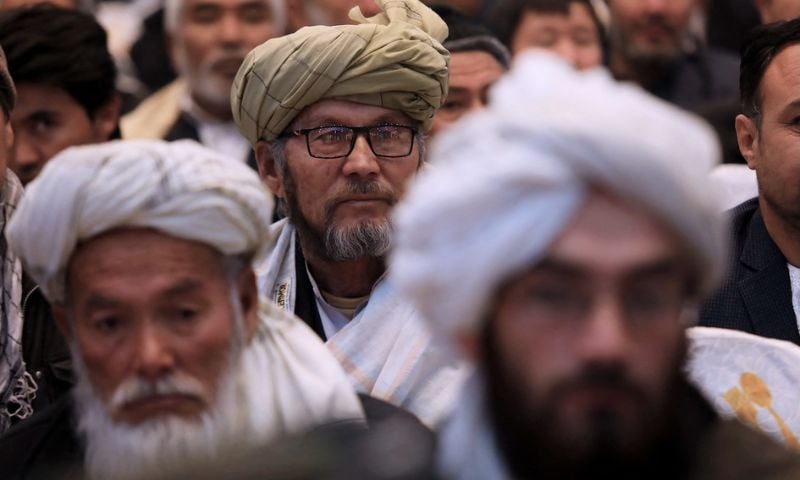
Resources are scattered across regions whose populations include large Hazara, Tajik and Uzbek communities, while much of the political contest over their revenues is concentrated among Pashtun-led power networks.
That does not mean local communities have no agency, nor that every mining operation is controlled by one faction or another.
Locals, often Tajik, Hazara, and Uzbek communities, sit on the ground. The money from what’s under their feet is fought over by two Pashtun-led factions headquartered hundreds of kilometres away, in Kandahar and the southeast.
And the locals lose either way. Mining under this system has driven child labour, environmental destruction, and forced displacement of nearby communities.
The extraction happens on their land, the profits leave the province, and neither faction is accountable to them.
Unless mining revenues are placed under transparent institutions, subjected to meaningful oversight and channelled into local development, Afghanistan’s mineral wealth could deepen rather than reduce the country’s political and economic inequalities.
This is the part that gets lost in “Taliban vs. the world” framing! A huge amount of the internal Taliban power struggle is a fight over who gets to sit on Afghanistan’s resource wealth, and it’s a fight between two Pashtun power centres, while non-Pashtun regions supply the ground the wealth sits on and absorb the damage of its extraction.