ISLAM QALA, Afghanistan: War and a deepening economic crisis in Iran are forcing increasing numbers of Afghan migrants and families to return to Afghanistan, with many arriving with little savings or belongings after years of living and working across the border.
Afghans who have recently returned said soaring inflation, declining employment and the disruption caused by the conflict had made it increasingly difficult to afford living expenses in Iran.
For decades, Iran’s larger economy provided millions of Afghans with employment and an escape from poverty. The number of Afghans living there increased further after the Taliban returned to power in Afghanistan in 2021.
However, the worsening economic situation in Iran has prompted many migrants to return, while others have been forced to leave through deportation or pressure from Iranian authorities.
Inflation hits Afghan migrants
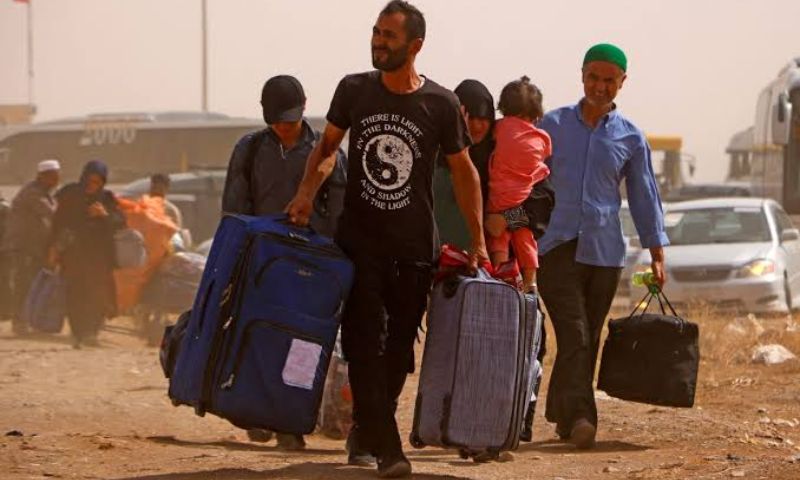
At the Islam Qala border crossing, Afghan migrants continue to arrive and undergo document checks and registration before travelling onwards into Afghanistan. Many returnees said they had been unemployed for months and were struggling to cope with rapidly rising prices.
Consumer prices in Iran have surged by nearly 90 per cent year on year, according to data from Iran’s Statistical Centre, while food inflation has risen to almost 130 per cent.
The sharp increase in the prices of basic goods has significantly reduced purchasing power, while declining household incomes and weak consumer demand have affected businesses and employment opportunities.
According to surveys by the International Organisation for Migration (IOM), only 29 per cent of Afghans who recently returned from Iran said they had any savings left. Their average income had fallen by almost one-third compared with pre-crisis levels.
More families returning
More than two million Afghans have left Iran over the past two years, according to UN refugee data. Most were deported or pressured to leave by Iranian authorities before the latest wave of returns linked to the conflict.
Forced deportation remains a major reason for Afghan migration back to the country. However, recent returns indicate that the profile of those crossing the border is changing, with more women and entire families now returning voluntarily.
The trend has created additional difficulties for Afghan women and girls who had remained in Iran following the Taliban’s return to power. Returning to Afghanistan means facing restrictions on women’s education, employment, movement and other aspects of daily life, according to returnees.
Difficult conditions after return
Many families returning from Iran are facing unemployment, poverty and a lack of adequate housing in Afghanistan. Some returnees said they had spent decades in Iran and had built their livelihoods there but were forced to leave after losing employment and savings.
READ ALSO: Thousands of Afghans Flee Iran Daily Amid Deportations, War, and Israeli Strikes
Others have attempted to restart small businesses in Afghanistan using whatever savings they had left. However, limited capital, weak demand and difficult economic conditions remain major challenges.
At least 20 to 40 families, including women and girls, are voluntarily returning from Iran through Islam Qala each day, according to a senior Taliban government official at the border.
The official said many Afghan workers had complained that wages in Iran were no longer sufficient to cover basic living expenses and that some employers were withholding payments.
For families with school-age children, particularly girls, the return has also brought concerns over education. Afghan girls are generally unable to continue formal education beyond the sixth grade under current Taliban restrictions.
The return of Afghan families from Iran therefore reflects a combination of economic hardship, conflict-related disruption and migration pressures, with many returnees now facing the challenge of rebuilding their lives in Afghanistan.