
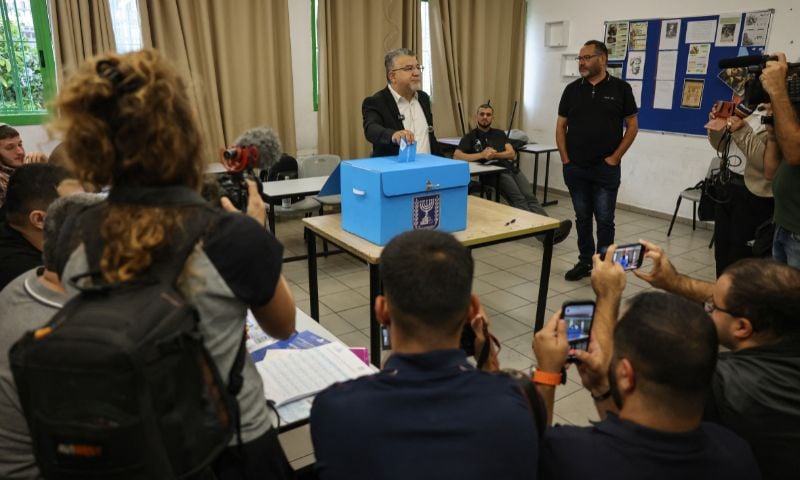
JERUSALEM: Israelis began voting on Tuesday in the country’s first general election since the Hamas-led attacks of 7 October 2023, in a contest widely seen as a referendum on Prime Minister Benjamin Netanyahu’s leadership.
Polling stations opened at 7 am local time, and most are scheduled to close at 10 pm. Major Israeli television networks are expected to publish initial exit polls after voting ends.
The election pits Netanyahu’s right-wing political bloc against an opposition alliance led by former military chief Gadi Eisenkot. Pre-election polling has indicated a close contest, with neither side assured of the 61 seats needed for a majority in the 120-member Knesset.
Key Issues
The vote follows three years of war and mounting criticism over the security failures surrounding the October 7 attacks. Voters are also weighing the cost of living, military-service exemptions for ultra-Orthodox men and Netanyahu’s handling of the conflicts in Gaza and Iran.
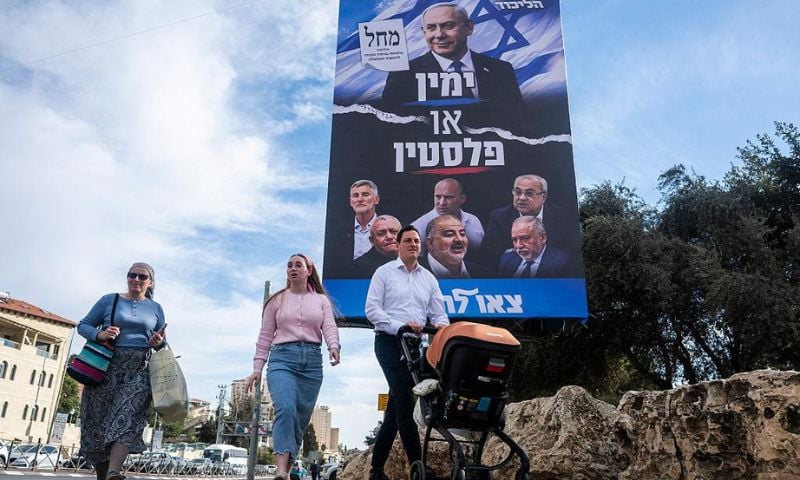
Netanyahu’s main challenger, former military chief Gadi Eisenkot, has pledged an independent investigation into the October 7 failures. However, neither major bloc appears assured of securing a parliamentary majority.
What Happens Next?
Israel uses proportional representation, with voters choosing parties rather than directly electing a prime minister. Any party must secure at least 3.25% of the national vote to enter the Knesset.
Preliminary results should emerge as votes are counted, while the final tally is expected by 30 October and official results are due on 4 November.
The president will then consult party leaders and nominate the candidate considered best placed to form a government. That candidate can have up to 42 days to assemble a coalition, meaning negotiations could continue for weeks or longer.
The election may therefore settle who commands the largest share of votes before answering the more consequential question: who can secure the parliamentary support needed to govern?