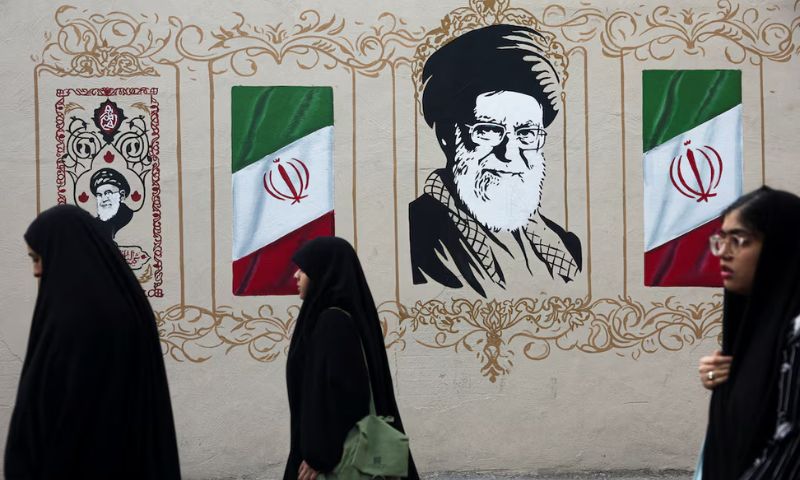
WASHINGTON: Iran has vowed to retaliate against expanded US sanctions, warning that American interests could face consequences as Washington intensifies economic pressure on Tehran and threatens penalties against countries continuing to trade with it.
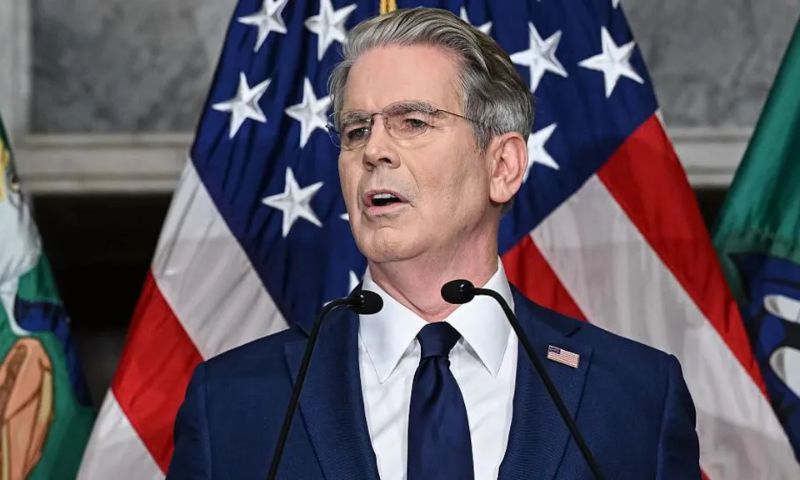
US Treasury Secretary Scott Bessent announced the measures on Monday, warning that countries maintaining trade with Iran could ultimately lose access to the dollar-based financial system.
Washington also imposed sanctions on 60 individuals, entities and vessels, although the measures stopped short of targeting Chinese financial institutions suspected of facilitating Iranian oil trade.
Iran Sanctions Trigger Retaliation Warning
Iranian Economy Minister Ali Madanizadeh said Tehran was “fully prepared” for the new sanctions and accused Washington of preparing an “economic terrorist attack”.
“Our defense is no longer so defensive; the enemies should wait for an attack,” he told Iranian state television.
Brigadier General Hossein Mohebbi, a spokesperson for Iran’s Islamic Revolutionary Guard Corps, also warned of strikes against vital US interests and energy chokepoints if Iranian infrastructure came under threat.
ALSO READ: Field Marshal Munir Concludes Iran Visit as Part of Pakistan’s Efforts to End US-Iran Conflict
Madanizadeh said China and Russia had not accepted Washington’s measures and predicted other countries would also resist US pressure.
China Rejects US Pressure
China, a major buyer of Iranian oil, criticised Washington’s sanctions strategy and pledged to protect its interests.
Bessent said the United States was giving countries and companies time to cut economic ties with Iran before imposing tougher penalties.
Asked about potential action against Chinese banks, he warned that “no one is above the reach of US sanctions”.
Despite weeks without major direct strikes, diplomatic efforts have yet to produce a lasting settlement nearly six months after the conflict began.
The dispute remains closely tied to Iranian oil exports, shipping through the Strait of Hormuz and Tehran’s nuclear programme, while the prospect of further escalation continues to pose risks to regional security and global energy supplies.