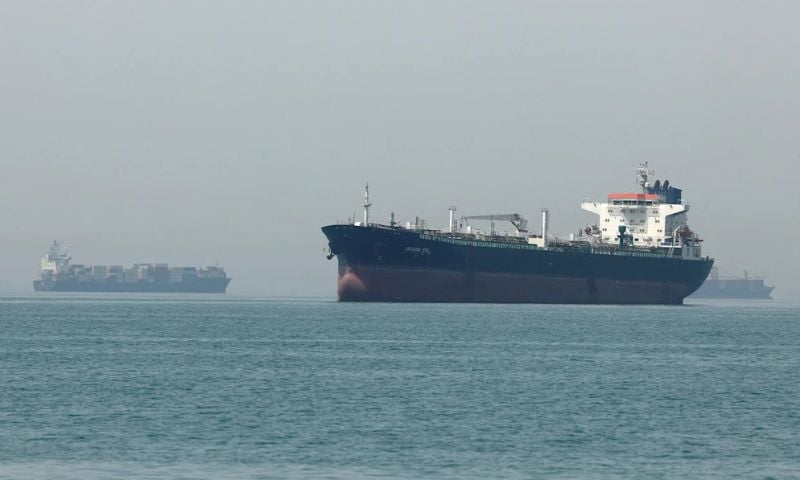
WASHINGTON: The United States has formally resumed its naval blockade on Iran, reimposing restrictions on vessels travelling to and from Iranian ports and coastal areas as tensions in the region remain elevated.
The announcement was made by the US Central Command (CENTCOM), which said the renewed blockade came into effect at 4:00 p.m. Eastern Time (ET) on Tuesday.
In a statement posted on its official X account, CENTCOM confirmed that US forces had restarted maritime enforcement operations targeting shipping linked to Iranian ports and coastal areas.
U.S. forces resumed the naval blockade against vessels transiting to and from Iranian ports and coastal areas today at 4 p.m. ET.
There are currently more than 20 U.S. Navy warships and hundreds of military aircraft operating across the Middle East. American forces remain… pic.twitter.com/ATRJHlLQNo
— U.S. Central Command (@CENTCOM) July 14, 2026
The command also revealed the scale of the current American military presence in the region, stating that more than 20 US Navy warships and hundreds of military aircraft are operating across the Middle East in support of ongoing missions.
“American forces remain vigilant, lethal and ready,” CENTCOM said, signalling Washington’s intent to maintain a robust military posture amid heightened regional security concerns.
However, CENTCOM did not provide further details on the duration of the operation or the specific enforcement measures that will be applied to commercial shipping.
The latest move marks another escalation in the US-Iran standoff, with maritime security in and around the Gulf remaining under close international scrutiny.
President Donald Trump formally informed Congress on Tuesday that hostilities with Iran restarted on July 7, 2026, with the administration arguing that the renewed campaign opened a fresh 60-day period for military action under the War Powers Resolution without seeking additional congressional authorisation.
The White House said the decision was prompted by alleged Iranian actions against commercial shipping in the Strait of Hormuz, while critics in Congress have questioned the administration’s interpretation of the law.
Since 7 July, the United States and Iran have exchanged a series of military strikes, marking a sharp escalation in tensions. Washington has carried out attacks on Iranian military targets, while Tehran has responded with missile and drone strikes against US military assets and regional interests.
The renewed hostilities have heightened security concerns across the Middle East, particularly around the Strait of Hormuz, prompting the United States to bolster its military presence and tighten maritime enforcement in the region.