Key Points:
- Islamabad MoU reaches its 60-day mark without a final deal
- Tehran rejects talks on extending what it calls an artificial deadline
- Pakistan faces tougher task reviving diplomacy as tensions rise
ISLAMABAD: The 60-day negotiating window created by the US-Iran Islamabad Memorandum of Understanding (MoU) ends on Monday with no final peace agreement, no confirmed extension, and the two sides increasingly divided over what the deadline itself means.
Iran has now rejected the idea of negotiating an extension, saying there is “no such thing” as a binding 60-day deadline and that Washington violated the MoU almost from the outset.
Tehran says it will not allow its policy to be dictated by what it calls artificial deadlines.
The text of the June agreement, however, gives Washington and Tehran up to 60 days to negotiate and reach a final deal, with an extension possible by mutual consent.
That wording has allowed both sides to interpret the provision differently as the deadline approached.
The disagreement surfaced days ahead of the 60-day deadline when both sides turned down the MoU while blaming each other for ceasefire violations and escalating the conflict once again before diverting the focus to the Strait of Hormuz.
An earlier report that the United States and Iran had agreed in principle to extend the arrangement also could not come true.
Pakistani sources had told Anadolu that both sides had conveyed consent to the mediators, but Tehran subsequently denied that extension talks had taken place.
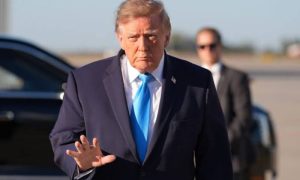
The US position has been considerably tougher. President Donald Trump declared the agreement over on July 7 after renewed fighting.
Secretary of State Marco Rubio subsequently said an MoU could not remain alive if Iran was violating its provisions, particularly those concerning shipping through the Strait of Hormuz. At the same time, Rubio said Washington remained open to genuine diplomacy.
READ ALSO: Trump Vows US Will ‘Keep’ Control of Hormuz as Oil Prices Rise
Trump’s latest public position has also centred on Hormuz rather than the 60-day deadline. He has insisted that the United States will maintain control of the strategic waterway and has rejected Iran’s demand for compensation.
He has also warned Americans to accept higher fuel prices as part of the confrontation with Tehran.
The dispute over Hormuz is now at the heart of the crisis. Iran says the waterway will remain closed until Washington lifts sanctions, unfreezes Iranian assets and withdraws its forces.
Tehran also wants compensation for wartime damage. Washington, by contrast, insists on unrestricted shipping and has pursued economic and military pressure to force Iran to reopen the strait. Or it insists that the US would continue a complete blockade of Iran.
That makes the end of the 60 days less a diplomatic deadline than a test of whether the two countries can still find a framework for talking.
US-Iran on crossroads; What happens next?
The most likely immediate outcome is not a return to a fully functioning ceasefire, but an effort by Pakistan, Qatar and other intermediaries to construct a new negotiating channel.
Indirect contacts have continued despite the breakdown, and Washington has recently widened its diplomatic outreach to European governments with interests in the crisis.
A second possibility is a prolonged diplomatic freeze. Iran has little incentive to accept an American timetable after accusing Washington of violating the original understanding. On the other hand, Trump has linked any settlement to reopening Hormuz and forcing Tehran to make concessions. Iran is adamant about its demand for taking the peace talks any further.
The most dangerous possibility is a new escalation around the strait. Shipping has already fallen sharply, and tanker attacks have pushed oil prices higher. Reuters reported Brent crude at $88.52 a barrel on August 14, with the market pricing in renewed risks to supplies through Hormuz.