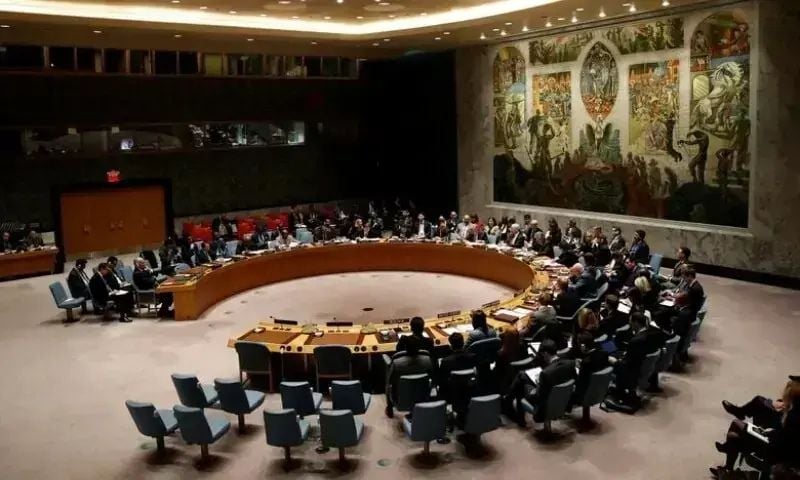



UNITED NATIONS: The UN Security Council is set to vote on Tuesday on a significantly diluted resolution aimed at addressing Iran’s blockade of the Strait of Hormuz, just hours before a US-imposed deadline for Tehran to reach a deal.
The vote comes amid deep divisions among major powers and follows days of delays as negotiators revised the text to avoid a potential veto.
Watered-down resolution avoids use of force
A draft reviewed by AFP no longer includes any explicit authorisation for the use of force — even in a defensive capacity — marking a major shift from the original proposal backed by Bahrain and Gulf states.
The resolution instead calls on countries to coordinate “defensive” efforts to ensure the safety of navigation, including escorting commercial vessels through the strategic waterway.
It also demands that Iran immediately cease attacks on merchant shipping and refrain from any actions that impede freedom of navigation in the Strait of Hormuz.
Divisions among global powers
Objections from several veto-wielding members — including Russia and China — forced multiple delays to the vote and led to the dilution of the text.
France, which had initially raised concerns, signalled support after earlier drafts incorporated language limiting any action to defensive measures.
However, uncertainty remains over whether Moscow or Beijing could still block the resolution.
Strategic importance of the Strait
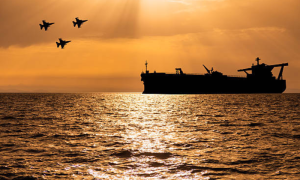
The Strait of Hormuz is one of the world’s most critical energy corridors, carrying roughly a fifth of global oil supplies.
Iran has effectively imposed a blockade on the waterway since late February, following US and Israeli attacks, triggering sharp increases in global energy prices and raising concerns over supply disruptions.
Vote coincides with US ultimatum
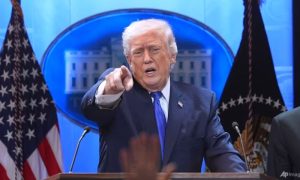
The Security Council vote comes just hours before US President Donald Trump’s deadline for Iran to agree to reopen the strait or face potential military action targeting key infrastructure.
Washington has warned of severe consequences, including possible strikes on Iran’s power plants and bridges, if Tehran fails to comply.
Diplomatic signal despite limits
Analysts say the resolution, even in its diluted form, would still represent a clear diplomatic stance against Iran’s actions.
“Bahrain and its backers would secure a clear diplomatic rejection of Iran’s obstruction,” said Daniel Forti of the International Crisis Group, noting that the text stops short of endorsing military escalation.
Rare use-of-force mandates
UN Security Council authorisations for the use of force remain rare, historically limited to major conflicts such as the 1990 Gulf War and NATO’s 2011 intervention in Libya.
The current negotiations highlight the difficulty of reaching consensus among major powers in an increasingly polarised geopolitical environment.