
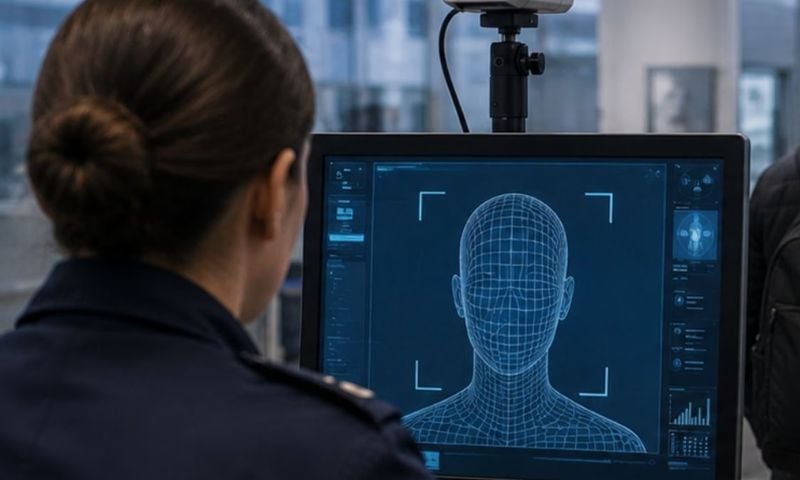
LONDON: The United Kingdom will begin using artificial intelligence technology next year to help identify adult migrants who falsely claim to be children when seeking asylum, according to media reports.
The AI-based age estimation tool will analyse photographs taken at the border to assess a migrant’s likely age. The UK Home Office has awarded a contract to a software company to develop and test the technology, which officials say could help tackle abuse of the asylum system.
According to the Home Office, initial trials have shown “promising performance and accuracy”, and the technology is expected to make it easier to identify adults attempting to benefit from protections available to unaccompanied child migrants.
Children arriving in the UK without parents or guardians are typically placed under the care of local authorities and receive additional legal protections that can affect asylum decisions and accommodation arrangements.
The move comes amid continued pressure on Britain’s asylum system following a rise in migrants crossing the English Channel in small boats. Government figures show that 111,084 people claimed asylum in the UK in the year ending June 2025, a 14 per cent increase compared with the previous year.
Data from the Home Office also revealed that more than 6,400 migrants claiming to be minors underwent age assessments in the year ending March 2026, with 43 per cent later determined to be adults.
However, rights groups have raised concerns over the use of AI in age assessments. Human Rights Watch described the technology as unproven and warned that errors could result in vulnerable children being denied protections to which they are entitled.
A government immigration inspection report previously acknowledged that, in the absence of a foolproof method, some age assessments would inevitably be incorrect.