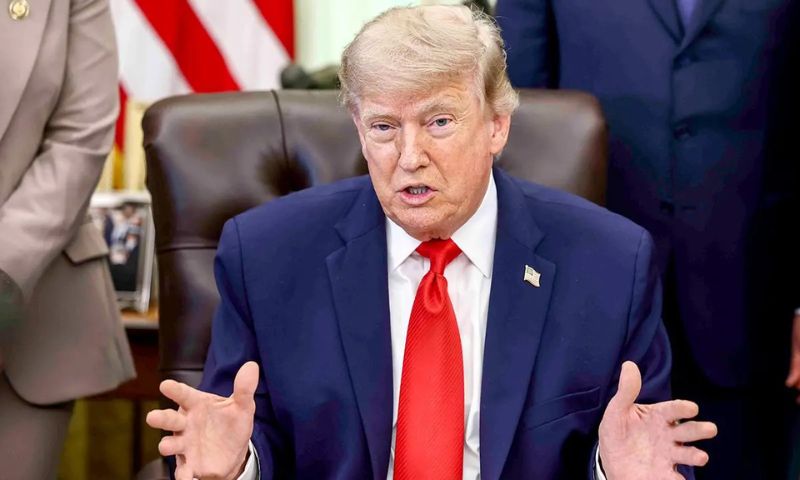



WASHINGTON: US President Donald Trump on Wednesday said he has been assured by Iran that no tolls will be charged from the vessels in the Strait of Hormuz, as negotiations continue to secure a lasting end to the war in the Middle East.
He added that negotiations would end immediately if Iran imposed tolls on vessels passing through the Strait of Hormuz.
“Iran has informed the US that… there are ‘NO TOLLS, NO INSURANCE COSTS, & NO OTHER CHARGES OF ANY KIND BEING SOUGHT OR RECEIVED BY IRAN ON SHIPS TRAVELING THE STRAIT OF HORMUZ’,” Trump wrote on his Truth Social platform, without specifying whether those assurances would remain in place after the 60-day negotiating period.
“If this is false information, negotiations would end immediately! Additionally, no money has been given to Iran, or released from their money to them, by the U.S,” he said.
— Rapid Response 47 (@RapidResponse47) June 24, 2026
Tehran has repeatedly stated that it intends to impose a maritime service fees, rather than tolls, on vessels passing through the Strait of Hormuz, a proposal strongly opposed by the United States.
Iran and Oman said on Tuesday that they will examine the costs associated with providing administrative services in the strait, while reaffirming their position that they hold sovereignty over the waterway.
“We will be releasing some of their money, that is totally controlled by us, to our Farmers and Ranchers, for the purchase of Corn, Wheat, Soybeans, and more,” Trump said.
“Food is desperately needed in Iran, and we will be purchasing it for them exclusively from the United States. Thank you for your attention to this matter! President DONALD J. TRUMP,” he concluded.
Also Read: US Suspends Sanctions on Iranian Oil After Pakistan-Mediated Talks in Switzerland
Trump says oil prices tumbling
President Trump on Tuesday said global oil prices were falling after a record 19 million barrels of oil passed through the Strait of Hormuz in a single day after the United States and Iran on Monday agreed on a 60-day roadmap towards a final agreement during Pakistan and Qatar-mediated talks in Switzerland.
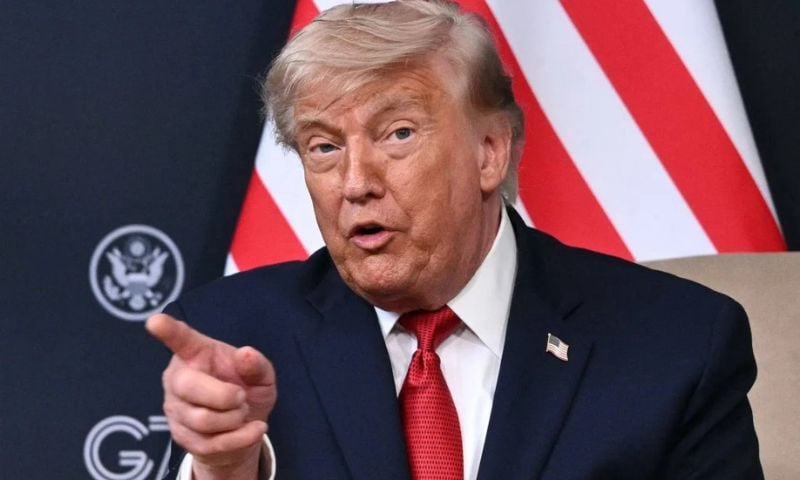
In a post on his Truth Social platform, Trump claimed that 19 million barrels of oil flowed through the strategic waterway on Monday. “19 million barrels of oil flowed out of the Hormuz Strait yesterday, an all-time record. Oil prices are tumbling down, and the world is a much safer place!!!” the US President wrote.
— Rapid Response 47 (@RapidResponse47) June 23, 2026
Iran claims $12 billion in frozen assets to be released under US agreement
Iran on Tuesday unveiled details of an agreement to release $12 billion in frozen assets under a US-Iran diplomatic framework announced earlier this week, saying the funds would be unlocked in two tranches, though differences remain between the two sides over how the funds will be managed and spent.
Iran’s chief negotiator and Parliament Speaker Mohammad Bagher Ghalibaf said the agreement was reached during negotiations at the Burgenstock resort in Switzerland and would result in the release of two tranches of $6 billion each.
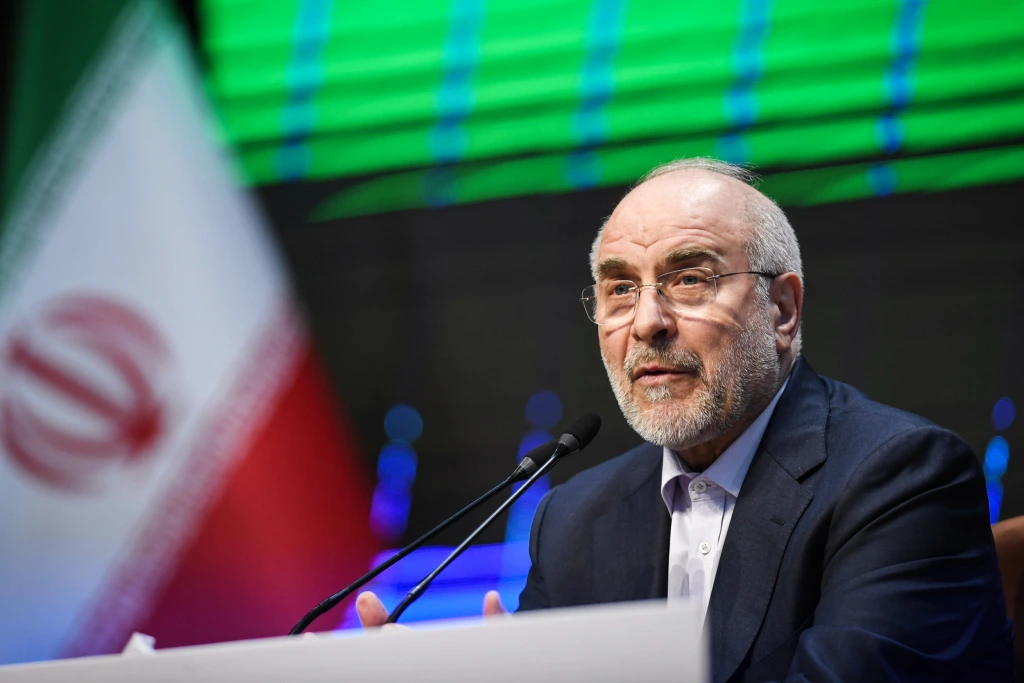
According to Ghalibaf, preliminary arrangements were made during discussions in Qatar, while the final agreement was concluded during the latest round of talks between Tehran and Washington.
The funds, largely consisting of Iranian oil revenues restricted under sanctions-related banking measures, are to be released pursuant to Article 11 of the Islamabad memorandum of understanding signed by the two parties.
Pakistan facilitates talks
The asset-release agreement emerged from a broader diplomatic process launched after the United States and Israel carried out military strikes against Iran in late February.
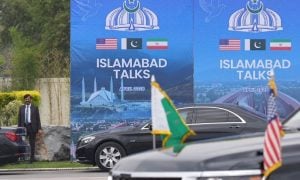
Pakistan initiated the first round of indirect contacts between Washington and Tehran, helping secure a ceasefire that was later followed by formal negotiations under the jointly mediated Islamabad process.
Qatar subsequently joined Pakistan in facilitating talks, which culminated in the signing of a memorandum of understanding and the launch of a 60-day roadmap covering sanctions relief, regional security and nuclear-related issues.