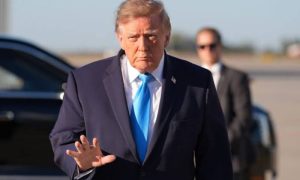
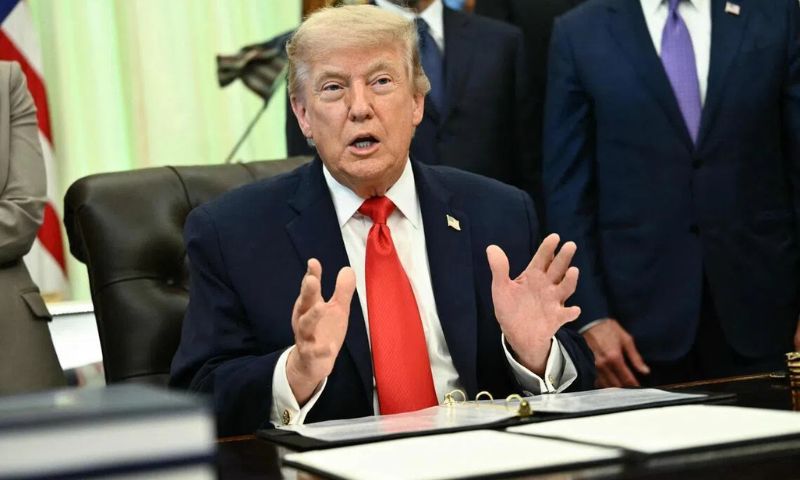
WASHINGTON: US President Donald Trump has ordered the Pentagon to substantially scale back joint military exercises with South Korea, citing Seoul’s decision not to participate in US-led action against Iran.
The directive came just hours before the scheduled start of the annual exercises, leaving the United States unable to cancel them altogether but prompting Trump to order a significant reduction in their scale.
In a post on his Truth Social platform, Trump said he had instructed Secretary of War Pete Hegseth to “substantially reduce” the exercises, while expressing dissatisfaction with the decision to proceed with the drills.
— Rapid Response 47 (@RapidResponse47) August 16, 2026
Trump described the exercises as costly and argued that they sent an inappropriate and hostile signal to North Korea, despite what he characterised as Pyongyang’s unthreatening and respectful conduct towards his administration.
The US president also referred to his “very good relationship” with North Korean leader Kim Jong Un, signalling that his decision was partly linked to his broader approach towards Pyongyang.
Trump further connected the decision to South Korea’s position on the ongoing US-Israeli conflict with Iran. He said he had recently asked South Korean President Lee Jae Myung whether Seoul would join Washington in efforts aimed at the “denuclearisation” of Iran, but that the request had been declined.
The US-South Korean military exercises are a longstanding feature of the two allies’ defence cooperation and are designed to improve their readiness to respond to potential threats from North Korea.
Trump’s latest move could nevertheless raise questions about the future scale and scope of joint military preparedness on the Korean Peninsula, particularly as Washington continues to balance its security commitments in East Asia with its military and diplomatic priorities in the Middle East.
READ ALSO: Trump says will ‘soon’ declare Hormuz strait US territory
South Korea has traditionally relied heavily on its military alliance with the United States as a central pillar of its national defence, while Washington maintains a substantial military presence in the country.
The decision to reduce the exercises also comes against the backdrop of heightened tensions surrounding Iran, as the Trump administration seeks international support for its campaign against Tehran.
The move could add a new layer of uncertainty to US-South Korean security ties, while Trump’s reference to Kim Jong Un indicates that his administration may also be seeking to preserve diplomatic space with North Korea.