NEWS DELHI: It began with a fear familiar to millions of young Indians: if the examinations that shape their future cannot be trusted, what can?
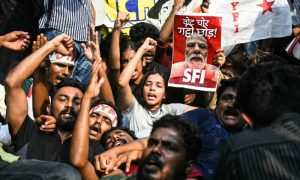
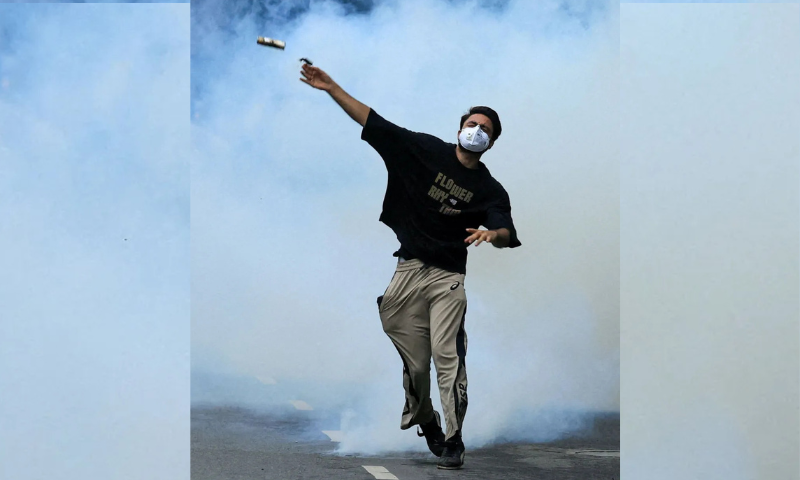
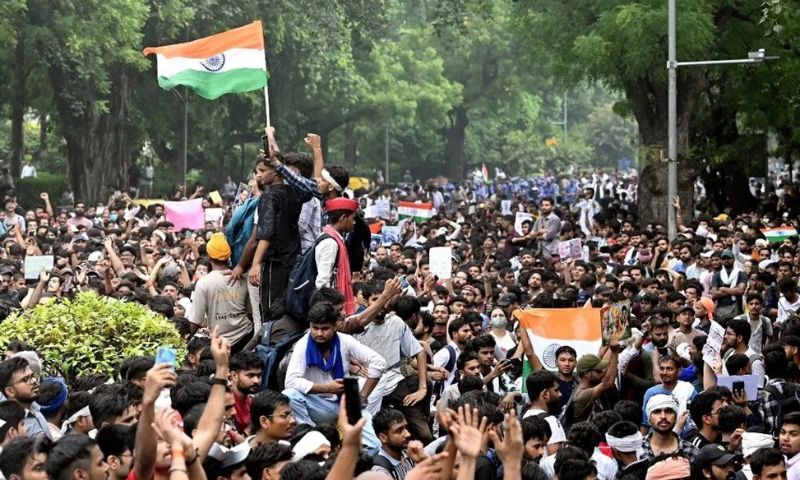
Weeks later, that fear has spilt onto the streets. On Monday, tens of thousands of young men and women attempted to march towards India’s parliament, where police responded with tear gas and baton charges. Thousands more have returned to protest in the days since.
According to the BBC, the Cockroach Janta Party (CJP), a youth-led movement that emerged in response to repeated examination paper leaks, has rapidly grown into one of India’s biggest student mobilisations in years.
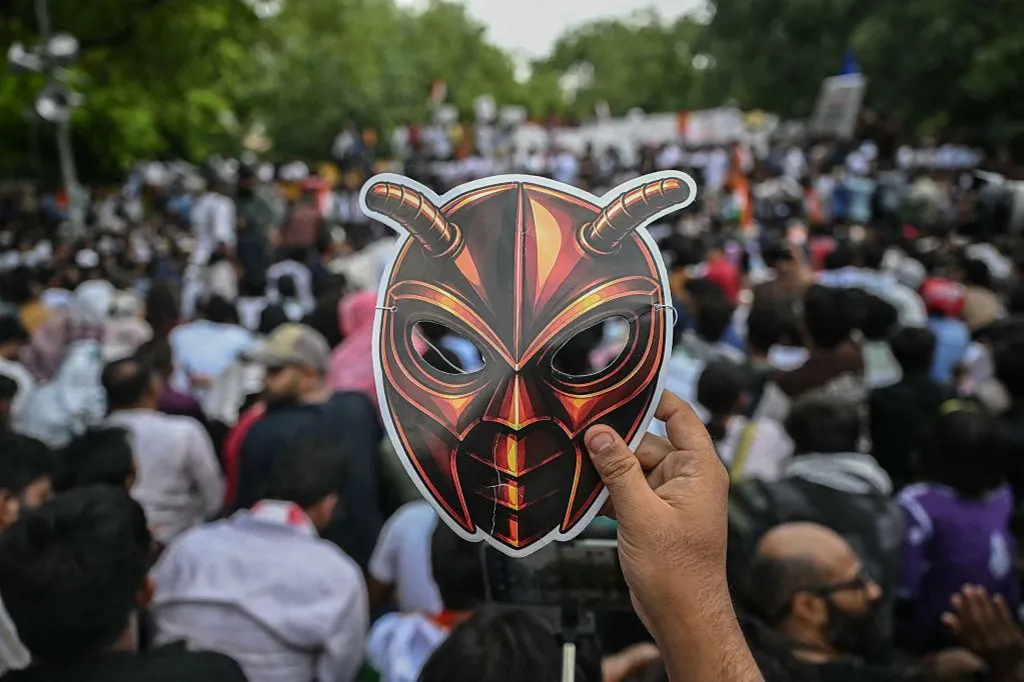
What began as a campaign for education reform is increasingly being viewed as a broader challenge to governance and public accountability.
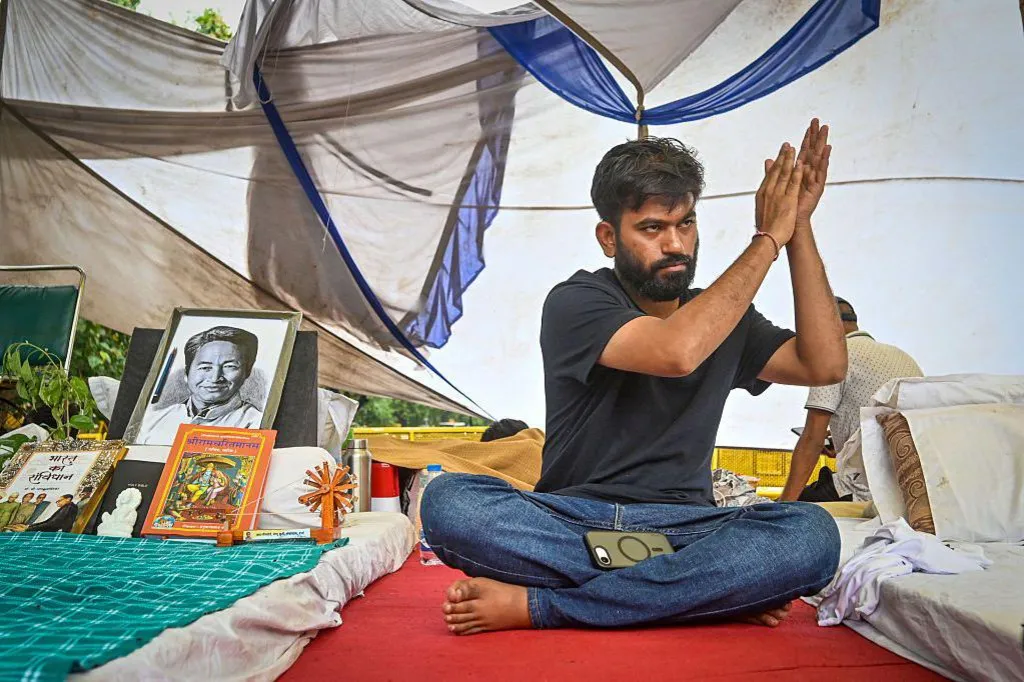
The movement is demanding sweeping education reforms and the resignation of Education Minister Dharmendra Pradhan. At its centre is activist Sonam Wangchuk, who says he lost 11kg (24lb) during a 26-day hunger strike in support of the campaign.
He ended his fast late on Thursday, but student leaders insist the protests will continue until their demands are met.
The question now is whether this is simply another student protest—or the beginning of something much larger.
History offers reasons for both caution and optimism.
According to the BBC, student movements have periodically transformed Indian politics. The Nav Nirman agitation in Gujarat helped trigger veteran socialist leader Jayaprakash Narayan’s movement against former prime minister Indira Gandhi in the 1970s. Others have erupted dramatically before fading away.
What makes the CJP unusual, however, is not simply its scale but the nature and breadth of its grievance.
Unlike many of the biggest protests against Prime Minister Narendra Modi’s government over the past decade – whether over citizenship, farm laws or other contentious policies – this movement is not fundamentally about ideology. Nor is it rooted in the interests of a single community or social group.
Instead, it questions whether the state can still guarantee fairness in the examination system that millions of young Indians see as their principal route to social mobility.
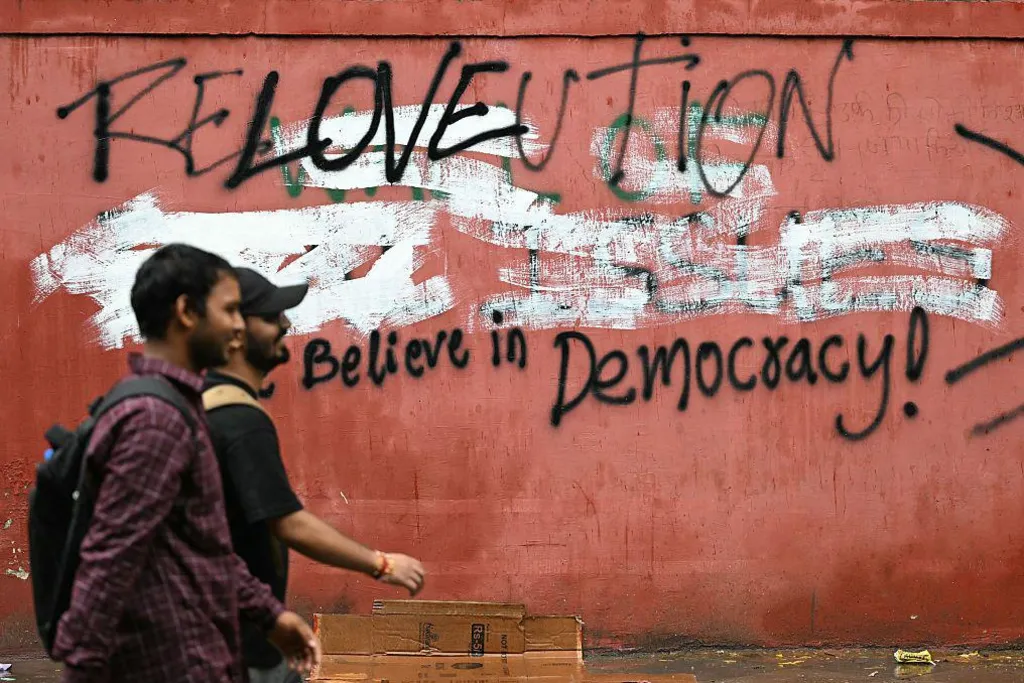
“The exam and education system cuts across caste, class and gender to quite a large degree,” Yamini Aiyar, Senior Visiting Fellow at Brown University, told the BBC. “The core constituency coming to these protests doesn’t represent a singular interest group.”
Rahul Verma, a fellow at the Centre for Policy Research, said the protests present a different political challenge because they highlight administrative failures rather than ideological disputes.
“This movement centres on administrative failure,” Verma said. “The state’s inability to conduct examinations fairly and prevent paper leaks makes it a very different kind of political challenge to the BJP.”
Growing Public Frustration
Analysts say the movement has attracted many young Indians and parents who view competitive examinations as the main route to economic advancement.
Monday’s large demonstrations in New Delhi suggested that support had moved beyond social media, with thousands taking to the streets despite a police crackdown.
Joyojit Pal, a professor at the University of Michigan, said social media had amplified long-standing frustration over government accountability, allowing public anger to spread rapidly.
“I think Monday’s gathering indicates this movement may have crossed a tipping point,” Verma said, adding that its future would largely depend on the government’s response.
Political and Economic Concerns
Observers say the protests now reflect wider concerns over unemployment, slowing economic growth and diminishing opportunities for young people.
Aiyar said the movement had outgrown the organisation that launched it, with many students joining to express broader dissatisfaction with governance rather than focusing solely on examination paper leaks.
Prime Minister Narendra Modi addressed the issue publicly, promising fast-track courts and “swift and stringent punishment” for those responsible for paper leaks.
Political scientist Suhas Palshikar cautioned that the movement could gradually lose momentum, although he said it had demonstrated growing public willingness to challenge the government through street protests.
Economist Surajit Mazumdar argued that the demonstrations reflected deeper dissatisfaction among India’s youth and the education system, suggesting the protests had become broader than the original paper leak controversy.
Whether the movement develops into a sustained political force or fades over time will depend largely on the government’s response and its ability to address the concerns driving the protests.