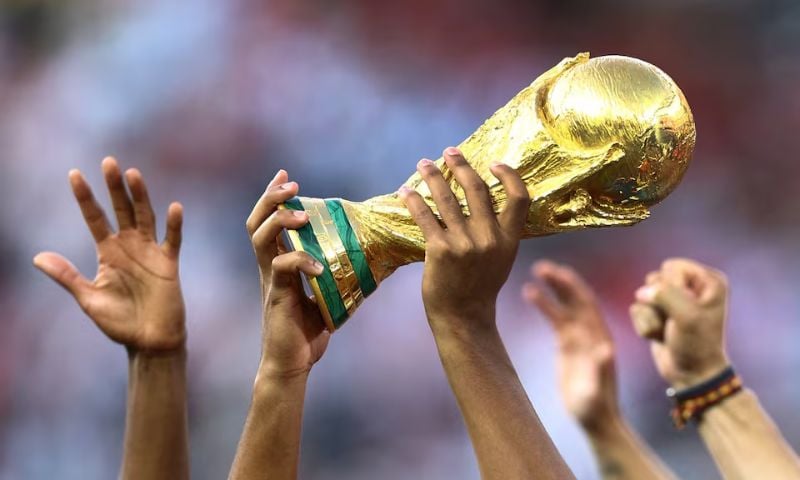
NEW YORK: The FIFA World Cup 2026 ended on Sunday with Spain crowned champions after beating Argentina 1-0 after extra time in the final at New York New Jersey Stadium.
The first major takeaway was the expanded 48-team format, which brought more matches, more goals and more records. However, the tournament was still dominated by traditional powers, with Argentina, Spain, France and England occupying all four semi-final spots.
Second, the World Cup produced fairytale runs. Cape Verde won global admiration in their debut appearance after holding Spain and Uruguay to draws and pushing Argentina into extra time, while Norway reached the quarter-finals for the first time.
Third, the United States surprised many sceptics by offering visiting fans a warm welcome, despite pre-tournament concerns over visas, guns and limited local interest.
Fourth, Canada’s run to the last 16 gave men’s football in the country a major boost and signalled growing investment and public interest.
Fifth, Mexico delivered passionate crowds and packed stadiums, but celebrations after a first knockout win in 40 years were marred by deadly crowd crushes.
Sixth, the United States team again exited in the round of 16. Despite heavy hype and political attention, the team largely performed in line with expectations.
Seventh, high ticket prices became a major talking point, with critics saying the World Cup is increasingly becoming affordable only for wealthy or extremely committed fans.
Eighth, visa restrictions kept many supporters away, forcing diasporas and local fans to fill parts of the gap in stadiums.
Ninth, politics entered the tournament despite FIFA rules banning political displays, with little immediate response from authorities.
Tenth, the Americanisation of football divided opinion. Hydration breaks and the first World Cup final half-time show frustrated traditionalists, but coaches used the breaks tactically and rising temperatures may make such changes more common.
Together, the ten takeaways showed a tournament of commercial growth, cultural exchange and sporting drama, but also one facing questions over access, politics and football’s future identity.