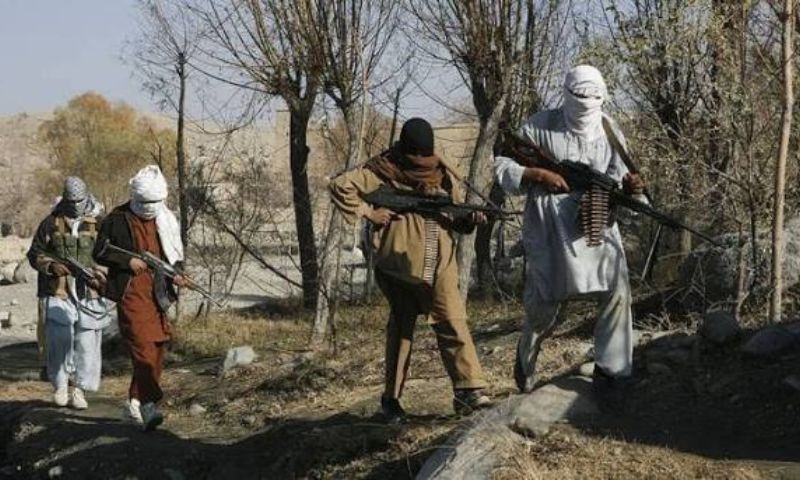
KABUL, Afghanistan: The Taliban regime is providing shelter to several terrorist groups operating in Afghanistan and maintains links with terrorist groups, including the banned Tehrik-e-Taliban Pakistan (TTP), the Coordinator of the United Nations Monitoring Team said.
In an interview with Afghanistan International, the UN Monitoring Team Coordinator Colin Smith said that at least 20 terrorist groups were active in Afghanistan. He said the Taliban regime provided support to terrorist groups at different levels and that the Taliban regime’s intelligence service maintained relations with these terrorist groups.
“The Taliban provide support to terrorist groups at various levels. Afghan Taliban intelligence maintains relations with terrorist groups,” Colin Smith said.
The UN Monitoring Team Coordinator said that several members of the UN Security Council expressed serious concern over the Taliban regime’s support for terrorist groups.
Colin Smith highlights 20+ terrorist groups operating in Afghanistan under Taliban sanctuary. With surging TTP cross-border attacks, Al-Qaida support, and ISIL-K’s global threat, urgent international action is vital. 🚨🌍 #Afghanistan #CounterTerrorism pic.twitter.com/JL84soeumL
— Mehmad Fateh (@KA92pak) August 20, 2026
Also Read: Afghan Taliban Funding, Supporting TTP’s Terrorist Activities in Pakistan: UN Report
Smith’s remarks underline continuing international concerns over Afghanistan’s security environment nearly five years after the Taliban returned to power. The UN Monitoring Team is mandated to assess threats posed by Al-Qaeda, Islamic State and other terrorist groups, and to monitor relevant UN Security Council sanctions regimes.
Taliban links to terrorist groups
Smith said there was information indicating that the Taliban regime is providing Afghan identification documents to terrorists of different foreign terrorist groups. “There is information that the Taliban is providing Afghan identity documents to various terrorists,” Smith said.
Asked whether foreign terrorists from Al-Qaeda, TTP or other terrorist groups had received Afghan passports or identity documents, Smith said: “We have information indicating that some members of different groups have been provided with Afghan identification documents or identity cards.” He said the information had also been included in a UN Monitoring Team report.
Colin Smith, Coordinator of the United Nations Analytical Support and Sanctions Monitoring Team, is asked on Afghan television if the UN has evidence that foreign terrorist fighters, from Al-Qaeda, the TTP, or other groups who are not originally from Afghanistan are operating in… pic.twitter.com/REORVWry5o
— The STRATCOM Bureau (@OSPSF) August 20, 2026
Smith said the number of terrorist groups operating in Afghanistan remained a subject of discussion, but the UN team assessed that there were at least 20 terrorist groups in Afghanistan.
He stressed that not all of those groups were designated by the UN Security Council as terrorist organisations. The figure referred to terrorist groups that the Monitoring Team assessed as being active in Afghanistan.
The UN Monitoring Team Coordinator identified the Haqqani network as among the terrorist groups operating from Afghanistan. Smith said it remained subject to UN Security Council sanctions and there was no reason for the UN Monitoring Team to believe that the Haqqani network no longer existed.
He described the Haqqani network as a terrorist network and said it therefore remained within the relevant sanctions regime.
Taliban’s active support for TTP terrorists
Smith also highlighted the growing threat posed by the banned TTP terrorist group, which Pakistan has long accused the Taliban regime of supporting.
The UN Monitoring Team Coordinator said the TTP terrorist group was receiving active support and cooperation from the Taliban regime and pointed to an increase in cross-border terrorist attacks launched from Afghanistan into Pakistan.
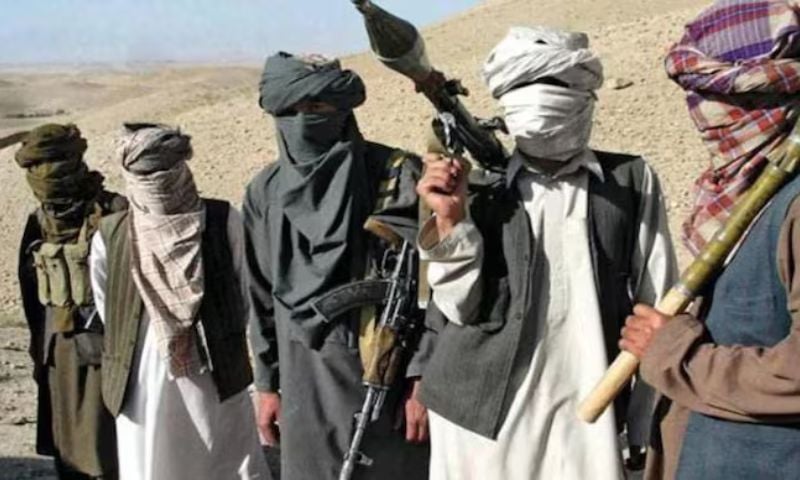
The UN official said the increase in TTP attacks was a serious concern not only for Pakistan but for the wider region and Asia.
He said evidence of strong ties between the TTP terrorists and the Taliban regime needed to be taken seriously. “Evidence of strong ties between TTP and Taliban needs to be taken seriously,” Colin Smith said.
Smith also said Al-Qaeda remained present in Afghanistan and had supported the Taliban during its conflict with Pakistan.
“Al-Qaeda is still present in Afghanistan. Al-Qaeda supported the Taliban in the Taliban’s conflict with Pakistan,” Colin Smith said.
The UN official said Al-Qaeda had also supported TTP’s anti-Pakistan activities. He said that Al-Qaeda’s open support for the TTP terrorists is worrying, adding that UN reports had consistently identified links between the two organisations.
“Al-Qaeda’s open support for TTP is worrying. UN reports have consistently identified links between Al-Qaeda and TTP,” Colin Smith said.
He added that Al-Qaeda trainers were helping train TTP terrorists to enhance their capabilities. The links between Al-Qaeda and TTP, he said, remained a matter of grave concern for the United Nations. “Al-Qaeda and TTP links are a matter of grave concern for the UN,” Smith said.
ISIS-K Remains Major Regional Threat
Smith identified Islamic State Khorasan, also known as ISIS-K, as one of the most active terrorist groups in Afghanistan and the surrounding region.
“ISIS-Khorasan is the most active terrorist group in Afghanistan. About 2,000 ISIS-Khorasan terrorists are present in Afghanistan,” the UN official said.
According to Smith, several countries in the region regard ISIS-K as both a regional and transnational threat.
Also Read: Taliban’s TTP Dilemma Exposed: “They Could Act, But They Won’t”
He said the terrorist group had demonstrated an ability to carry out attacks beyond Afghanistan, citing attacks in Kerman, Iran, and Moscow, as well as plots and attacks in European countries.
“ISIS threats emerging from Afghanistan have been linked to several terrorist attacks in Europe. The group has carried out attacks in Iran, Moscow and various European countries,” Colin Smith said.
“There have been numerous terrorist plots and attacks in Europe linked to the broader threat emanating from Afghanistan,” Smith said.
He described ISIS-K as a “very serious concern” and said the group retained the capability to launch major attacks from Afghanistan.
ISIS-K’s use of cryptocurrency for terror financing
Smith also highlighted ISIS-K’s ability to exploit modern technology to finance its operations. “ISIS-K has established a funding network through cryptocurrency,” Smith said.
Also Read: Why Is Armed Resistance Growing Against The Taliban In Afghanistan?
He said the group had developed funding networks using digital currencies and that its publication, Voice of Khorasan, had promoted cryptocurrency fundraising.
“They have used digital currencies to generate income and finance their operations,” Smith said.
Smith referred to a recent announcement by the US Treasury Department that ISIS-K had received more than $1.4 million through various cryptocurrency wallets.
The use of digital financial tools, he said, demonstrated the group’s ability to adapt its financing methods and maintain access to resources despite international counter-terrorism measures.
Smith said the activities of terrorist groups operating in Afghanistan remained a major concern for members of the UN Security Council.
He said several Council members had expressed concern over the Taliban regime’s support for terrorist organisations and the continued presence of terrorist groups on Afghan soil.