


Key Points
- No casualties or material damage reported
- Incident occurs against the backdrop of wider regional conflict and diplomacy
ISLAMABAD: Saudi Arabia’s Ministry of Defence said its air defences detected and destroyed four drones over the country’s eastern region, the Saudi Press Agency reported.
The interception, which Saudi officials say prevented any damage or casualties, highlights how the wider conflict in the Middle East is entangling neighbouring states. It also reflects heightened security concerns across strategic energy-producing areas.
The SPA quoted the defence ministry spokesperson as saying the unmanned aerial vehicles were neutralised before reaching their intended targets.
Authorities did not immediately say where the drones came from or who was behind them. However, the incident comes amid a period of intensified hostilities and diplomatic activity in the Gulf and wider region.
A critical region under strain
Saudi Arabia’s eastern region is home to some of the world’s most critical energy infrastructure. Even isolated air incidents carry outsized significance for global markets and regional stability.
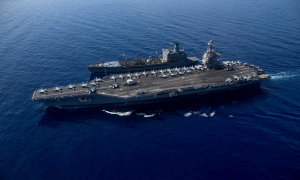
Over recent weeks, attacks involving drones and missiles have been reported across multiple Gulf states. These incidents are part of a broader military confrontation linked to hostilities between Iran and a coalition including the United States and Israel.
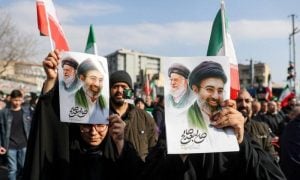
Iran has repeatedly stated that it did not target locations inside Saudi Arabia and other neighbouring Gulf countries. The Iranian authorities claim that the drones coming to Saudi Arabia were an Israeli copy of the Iranian Shahid Drones. They claim it is an effort to malign Iran.
Diplomacy and de‑escalation efforts
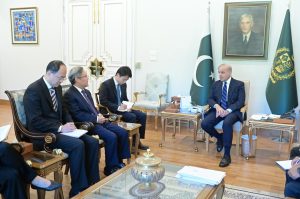
Alongside military exchanges, there have been parallel diplomatic efforts to reduce the risk of a wider regional conflagration.
Leaders and envoys from Europe, Asia and the Gulf have called for restraint and dialogue to prevent further spillover and to protect civilian infrastructure.
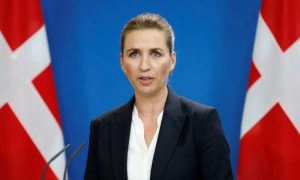
European leaders in particular have urged a cessation of attacks on energy facilities and emphasised the need to open channels for talks.
In Amman and Geneva, senior diplomats have held back‑channel discussions aimed at finding common ground and re-establishing some form of communication between Tehran and Washington, even as battlefield exchanges continue.
A senior diplomat involved in those discussions said there is broad international concern that the conflict’s spillover could further disrupt global energy supplies and intensify humanitarian risks if it expands.
These diplomatic efforts come against a backdrop of mounting frustration among some Gulf states, who have expressed disappointment at not being fully consulted ahead of Western strikes against Iranian positions, and at having to shoulder much of the immediate defence burden against aerial threats.
A widening theatre of conflict
The Saudi defence declaration follows a series of interceptions by Gulf air defences, including missiles and drones allegedly fired from Iran or Iranian‑aligned groups.
Countries including the United Arab Emirates, Bahrain and Kuwait have reported similar threats in recent days, although most have been repelled without significant damage.
Analysts say the use of drones in this conflict illustrates how modern warfare increasingly targets not just traditional military installations but also strategic infrastructure and logistical networks.
The risk, they warn, is that even carefully calibrated strikes or interceptions can escalate quickly if miscommunication or misattribution occurs.
Global stakes and economic impact
Even as regional powers work both militarily and diplomatically to manage the crisis, global markets are watching closely.
Disruptions and threats around key export hubs and critical chokepoints such as the Strait of Hormuz have already influenced oil prices and raised concerns among energy importers about supply stability.
The broader confrontation has drawn international attention not only because of its direct impact on regional states but also because of its potential to affect global energy flows and international trade.
Diplomatic actors emphasise that de‑escalation remains a priority for many governments, but they acknowledge the complexity of achieving it while active hostilities continue.
For now, the interception of the drones in eastern Saudi Arabia stands as a reminder of the volatile mix of military confrontation and ongoing diplomatic manoeuvring that defines the current Gulf crisis.