WASHINGTON: The United States has warned of significantly harsher military action if diplomacy fails, even as backchannel contacts with Iran continue through regional intermediaries despite Tehran’s public denial of formal talks.
The White House has insisted that engagement is underway, with officials saying exchanges with Iran are “ongoing” and “productive.”
At the same time, Iran maintains that no official negotiations are taking place — a position analysts say reflects domestic political pressures.
According to officials and analysts cited by The Washington Post, Tehran’s stance is shaped in part by pressure from the Islamic Revolutionary Guard Corps (IRGC), which opposes overt compromise at this stage of the conflict.
BREAKING: President Trump gives an update on negotiations and war with Iran:
“I can tell you they’d like to make a deal.”
“Their Navy’s gone, their Air Force is gone, their communications are gone… We are roaming free over Tehran.” pic.twitter.com/TmwHzFdOyy
— Fox News (@FoxNews) March 24, 2026
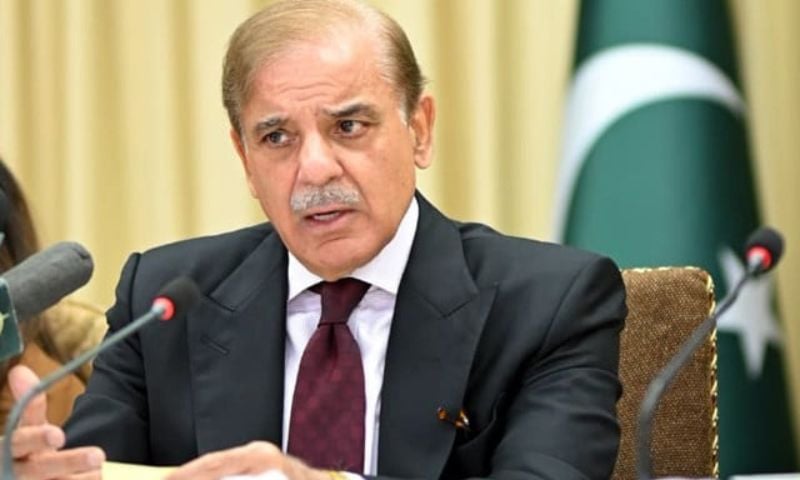
Multiple diplomatic tracks are now in motion. Pakistan has emerged as a key intermediary, with its official sources indicating that talks could be held in Islamabad in the coming days, adding momentum to ongoing indirect engagement.
Syed Muhammad Ali, a Pakistani security analyst with knowledge of the negotiations, told The Washington Post that Islamabad’s political and military leadership is facilitating indirect talks between the United States and Iran.
“There has been significant and rapid progress in these indirect talks between the United States and Iran,” he said, adding that the process is being facilitated by Prime Minister Shehbaz Sharif and Pakistan’s Chief of Defence Forces, General Asim Munir, among others.
A senior Iranian official, cited by Reuters, said Tehran is still reviewing a 15-point US proposal delivered via Pakistan, signalling that discussions are active behind the scenes despite mixed public messaging.
PRESIDENT TRUMP: Iran is going to make a deal. The new leadership gave us a significant present that showed me that we’re dealing with the right people. pic.twitter.com/abJ0TbdQpq
— Department of State (@StateDept) March 24, 2026
While the initial Iranian response was described as “not positive,” the absence of a formal rejection suggests the proposal remains under consideration. Pakistani officials told Reuters they are still awaiting a definitive reply from Tehran after follow-up contacts with Iranian Foreign Minister Abbas Araghchi.
The US proposal, according to The Washington Post, includes potential sanctions relief in exchange for Iran relinquishing enriched uranium, halting enrichment, curbing its missile programme, and ending support for regional groups.
At the same time, Iran has conveyed its own conditions via state media, including a halt to military action, guarantees against renewed conflict, war reparations, and recognition of its sovereignty over the Strait of Hormuz.
🚨Iran FM Araghchi: Tehran not seeking ceasefire or talks with U.S.
Iranian Foreign Minister Abbas Araghchi says Iran is not requesting a ceasefire and sees no reason to negotiate with Washington, noting that the U.S. attacked during the previous two negotiations.
➤ The FM… pic.twitter.com/LNIeL1o4it
— Drop Site (@DropSiteNews) March 5, 2026
Iranian officials continue to reject the notion of direct negotiations. Foreign Ministry spokesperson Esmaeil Baqaei said there were “no talks or negotiations” with Washington, though he acknowledged exchanges of messages through intermediaries.
Analysts say such messaging reflects a distinction between public posture and private diplomacy, as both sides test terms through indirect channels.
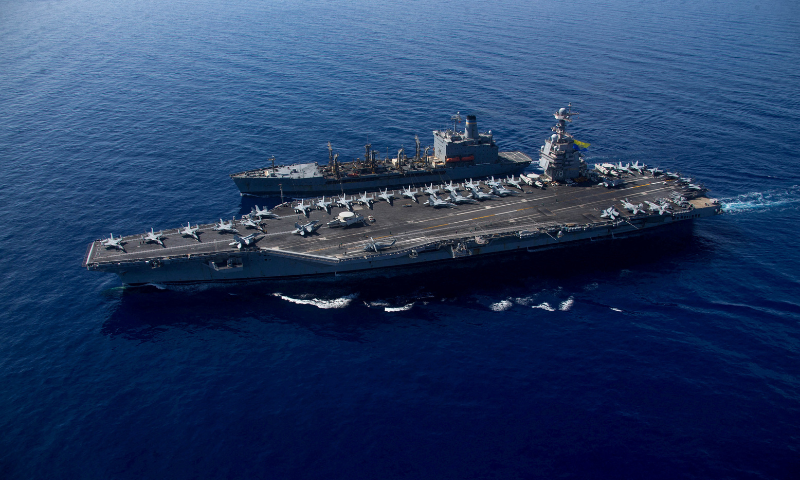
The White House has paired its diplomatic push with a stark warning. Officials say President Donald Trump is prepared to escalate militarily if talks fail, underscoring a dual-track approach of negotiation and pressure.
Observers note that the central issue is not the absence of engagement, but whether ongoing backchannel diplomacy can bridge deep differences before tensions escalate further.
Pakistan has offered to host indirect talks, with Prime Minister Shehbaz Sharif expressing readiness to facilitate “meaningful and conclusive” negotiations.