
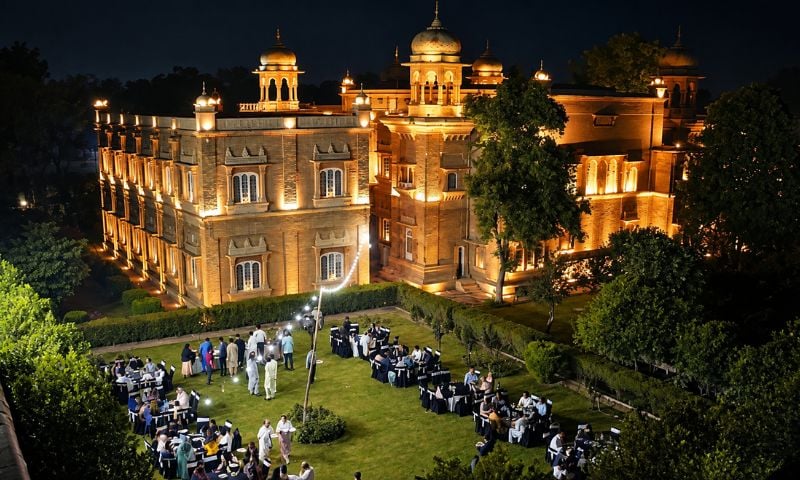
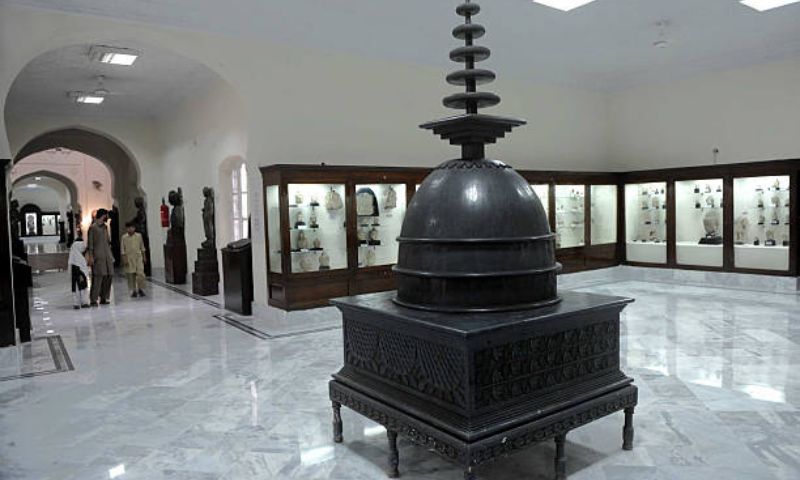
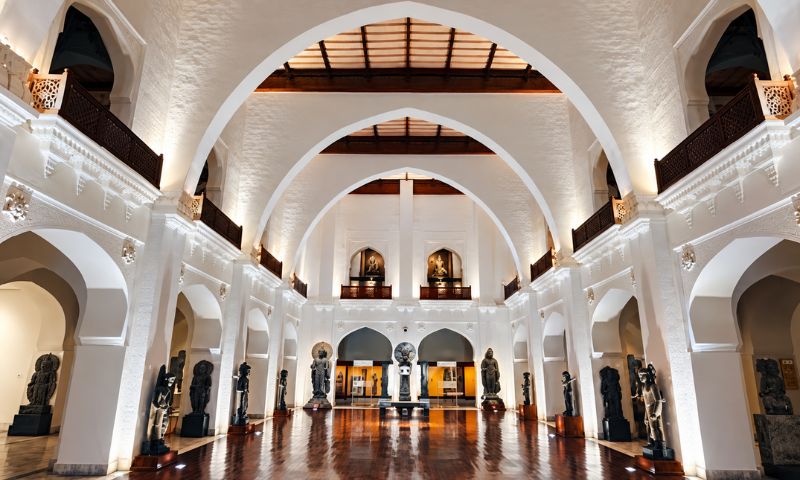
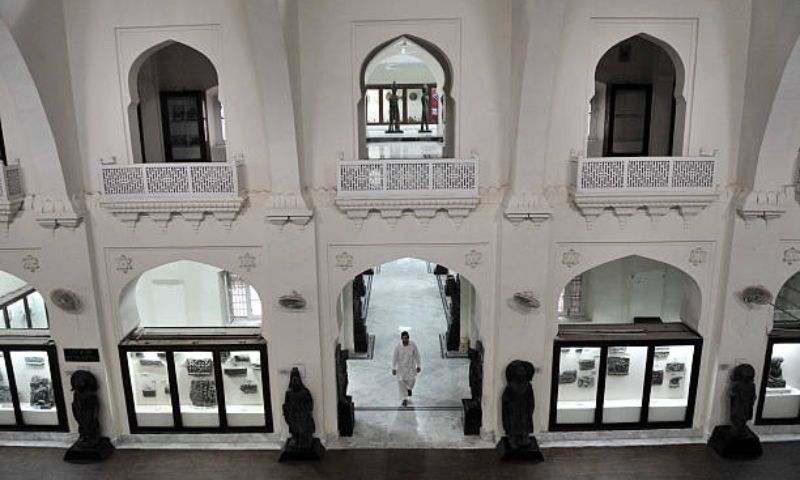
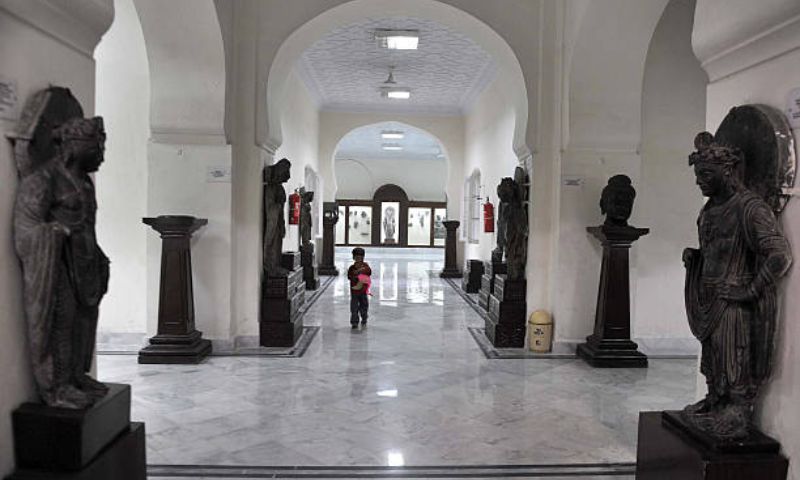
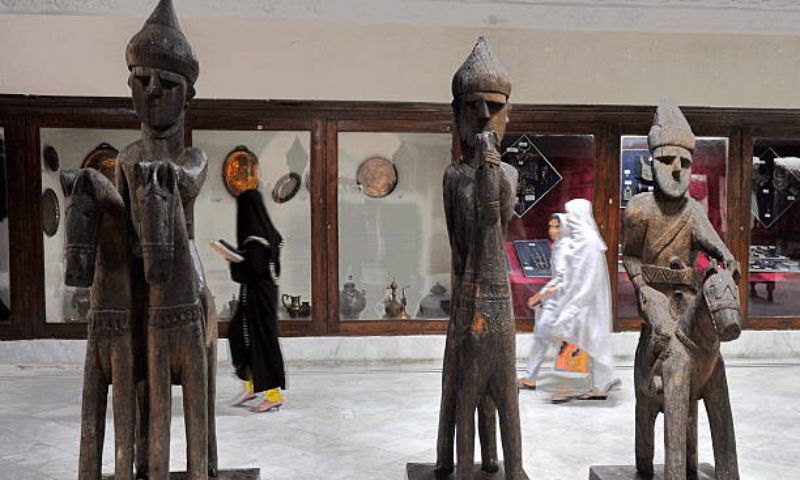
PESHAWAR: Hidden within the historic halls of Peshawar Museum is one of the world’s richest collections of Gandharan art, offering a window into a civilisation that flourished for centuries at the crossroads of South and Central Asia.
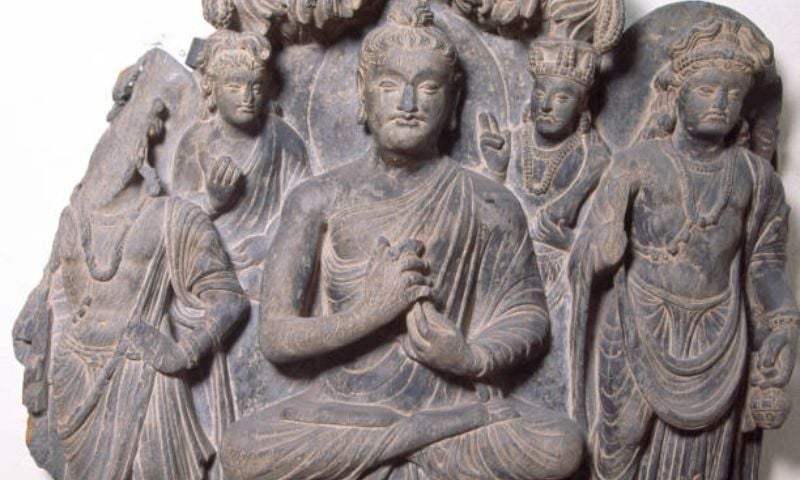
The museum’s sculptures and artefacts reflect the distinctive fusion of Greco-Roman artistic techniques with Buddhist traditions, a style that influenced religious art and architecture across much of Asia.
Yet much of this heritage remains relatively unknown to international audiences, raising calls for greater use of digital platforms to showcase Gandhara’s history and attract visitors, researchers and Buddhist pilgrims to Khyber Pakhtunkhwa.
Ancient Crossroads
Peshawar has a history stretching back more than 2,500 years and was once a major centre of trade, learning and cultural exchange.
During the Kushan Empire, the city, then known as Purushapura, became the imperial capital and an important centre of Mahayana Buddhism.
Its location near the historic Khyber Pass connected the Indian subcontinent with Central Asia, allowing merchants, scholars and travellers to move through the region.
The city reached a period of particular prosperity under the Kushan ruler Kanishka, when monasteries, public buildings and Buddhist monuments were constructed across the area.
Among the most renowned was the Kanishka Stupa, which ancient Chinese pilgrims described as a towering monument visible from considerable distances.
A major monastery, known as Kanishka Vihara, also became an important centre of Buddhist learning and is believed to have housed a substantial collection of manuscripts.
Gandharan Legacy
Gandharan art became known for combining local Buddhist themes with Greco-Roman realism, producing sculptures that remain among the most significant surviving examples of ancient Buddhist art.
The artistic tradition spread beyond the region, influencing Buddhist cultures across Central and East Asia.
Peshawar also emerged as a major urban centre. Historical estimates suggest that its population may have exceeded 120,000 around 2,000 years ago, placing it among the larger cities of the ancient world at the time.
The prosperity of Gandhara eventually declined following successive invasions and political upheavals. Monasteries, libraries and urban centres were damaged, while changing trade routes weakened the institutions that had sustained the civilisation.
Centuries later, Chinese pilgrims travelling through the region recorded abandoned monasteries, ruined stupas and deserted settlements, offering accounts of a civilisation that had once flourished.
Digital Future
Today, much of Gandhara’s legacy survives through museums, archaeological sites and scattered ruins across Khyber Pakhtunkhwa.
Heritage experts argue that preservation should now go beyond protecting physical artefacts and include efforts to make Gandhara accessible to international audiences through digital technology.
Virtual museum tours, immersive documentaries, interactive websites and multilingual social media campaigns could help introduce the region’s history to a much wider audience.
Such initiatives could also support cultural tourism, attract researchers and Buddhist pilgrims, create employment for local communities and generate resources for heritage conservation.
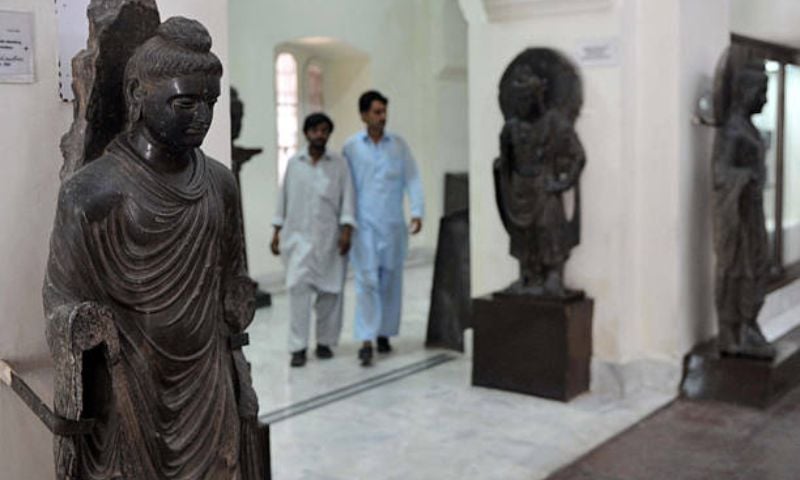
The Peshawar Museum’s collection offers an opportunity to connect the region’s ancient history with modern technology, allowing a global audience to explore the artistic and cultural achievements of Gandhara.
The monuments and artefacts of ancient Peshawar continue to tell the story of a civilisation that once connected cultures across Asia. Digital platforms could provide a new way to bring that story to the world while turning heritage into a potential source of sustainable cultural and economic activity.