


QUETTA: Pakistan’s southwestern province of Balochistan has taken a significant step toward administrative reform and digital governance by conducting its first-ever fully digital and paperless government recruitment examination, marking a milestone in efforts to modernise public institutions and integrate the historically underserved region into the national mainstream.
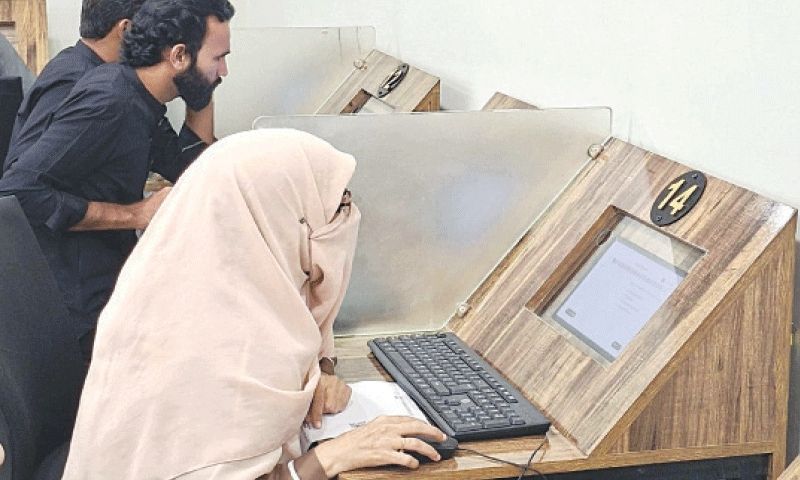
The computer-based test was held for 111 Grade-14 sub-accountant positions in the provincial finance department, with results processed and appointment letters issued within hours — a move officials described as unprecedented in the province’s history.
Around 5,600 applicants registered for the posts, while roughly 2,500 candidates sat the exam at the Balochistan University of Information Technology, Engineering and Management Sciences.
Finance Secretary Imran Zarkoon said the entire process — from testing to evaluation — was conducted through a centralised digital system, eliminating manual intervention and ensuring transparency, merit-based selection, and rapid turnaround. Appointment letters were issued the same night after the automated results were finalised.
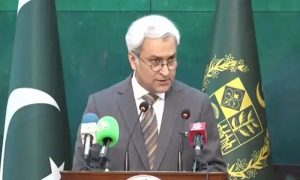
Speaking at the appointment letter distribution ceremony, Chief Minister Sarfraz Bugti described the initiative as a “historic milestone,” saying it reflected the provincial government’s resolve to break with past practices and align Balochistan with modern governance standards adopted elsewhere in Pakistan.
The development is notable given Balochistan’s long-standing challenges, underdevelopment, and limited access to public services despite being Pakistan’s largest province by area and a key hub for mineral and energy resources.
In recent years, Islamabad and the provincial government have prioritised governance reform, digitalisation, infrastructure development, and youth inclusion as part of broader efforts to stabilise the region and expand economic opportunity.
Officials said the success of the digital recruitment drive would serve as a model for future hiring across provincial departments, reinforcing Pakistan’s push to modernise state institutions, improve service delivery, and strengthen trust in public sector processes — particularly in regions historically left on the margins of development.