


Key Points
- Gulf infrastructure damage expected to delay global market normalisation
- Pakistan monitoring fuel prices, freight and insurance costs closely
- IMF support described as crucial amid external financing pressures
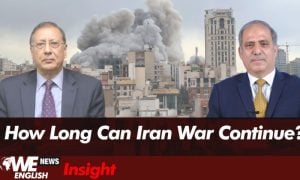
ISLAMABAD: Pakistan has warned that global energy markets may remain unstable for months even after a ceasefire in the ongoing Iran war, citing sustained damage to energy infrastructure and continued supply chain volatility.
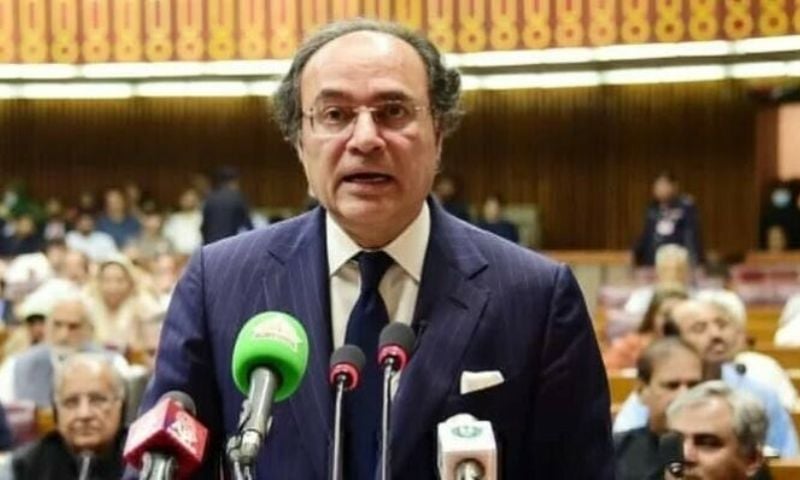
Finance Minister Muhammad Aurangzeb told the Pakistani parliament on Tuesday that the world was currently facing a severe energy crisis. “Any geopolitical breakthrough for peace would not immediately restore stability to global markets,” he added.
“We are dealing with a crisis at the moment,” he said while responding to lawmakers’ questions.
“Even if a cessation of hostilities is achieved, normalisation in the energy sector would take weeks or months due to infrastructure damage and ongoing risks to supply routes,” he warned.
Energy facilities in the Gulf region have been targeted and continue to be affected, he said, adding that global supply chains remain under pressure and require immediate policy planning and risk management.
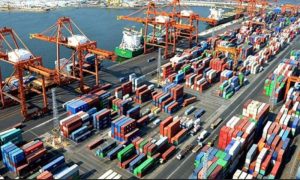
The government is closely monitoring international oil prices, freight rates, insurance costs and shipping activity involving crude carriers, he told the Parliamentarians. Pakistan must move toward building strategic reserves to manage future shocks,” he added.
The government has already announced subsidies for two-wheelers, four-wheelers and public transport, and said its disbursements have already begun, he informed the lawmakers.
Pakistan has provided around Rs 129 billion in subsidies on petroleum products, according to the finance minister.
Several countries in the region have started fuel rationing measures, pointing to sharp increases in global fuel prices.
Pakistan’s remittance inflows have not yet been impacted, he told the National Assembly.
However, he cautioned that around 40 to 50 per cent of remittances originate from Gulf Cooperation Council countries, and the government is assessing potential effects on the balance of payments, current account and inflation.
The importance of continued engagement with the International Monetary Fund is vital to Pakistan’s economic management and investor confidence, he emphasised, adding that external financial support remains a critical stabilising factor.
He also noted upcoming external debt obligations, including Eurobond repayments and a $3.5 billion loan repayment to the United Arab Emirates, as key pressures on the external account.