
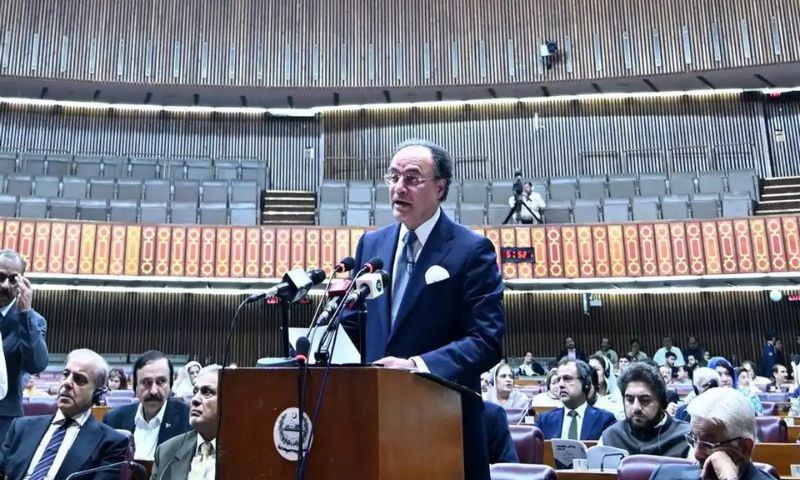
ISLAMABAD: Pakistan’s federal budget for 2026–27 introduces one of the most extensive overhauls of its tax system in recent years, reshaping both the Sales Tax Act 1990 and the Income Tax Ordinance 2001.
The package combines targeted relief for households, exporters and key industries with aggressive expansion of digital monitoring, withholding regimes and automated tax enforcement systems.
Salaried Class and Middle-Income Relief
The budget provides significant relief for salaried taxpayers through a restructuring of income tax slabs and an increase in the threshold for the top 35 per cent tax rate from Rs 4.1 million to Rs 7 million.
The changes are designed to ease pressure on middle-income earners amid persistent inflationary pressures.
In a major policy shift, the long-debated deemed income tax on immovable property under Section 7E has been abolished. Advance tax on property transactions has also been reduced, a move aimed at reviving activity in the real estate market and encouraging formal documentation.
Export Competitiveness and Digital Economy Incentives
Export-oriented sectors receive additional support through a reduction in the effective tax burden on export proceeds, from 2 per cent to 1.25 per cent. The government has also extended a concessionary 0.25 per cent tax rate for IT and IT-enabled services exports until Tax Year 2029, reinforcing efforts to expand Pakistan’s digital export footprint.
Tax on foreign digital card payments has been sharply reduced, and withholding on foreign TV content payments has been withdrawn.
A new tax credit equal to 10 per cent of investment in digital integration systems is intended to accelerate compliance with the Federal Board of Revenue’s (FBR) digital infrastructure.
Sales Tax Relief and Targeted Exemptions
On the indirect tax side, the budget introduces a series of exemptions and extensions, including relief for electric-vehicle CKD imports until June 2027 and continued exemptions for strategic capital goods linked to refinery upgrades.
Other relief measures include exemptions for magazines, shipping sector investments, aircraft parts for Pakistan International Airlines (PIACL), and imports linked to strategic events and counter-terrorism cooperation. The abolition of sales tax on tampons marks a notable social policy adjustment, while exemptions on certain family planning devices have been withdrawn.
Industrial Sector: Incentives with Tightened Controls
The industrial base receives targeted support through exemptions on capital goods for refinery modernisation and shipping-related investment. However, this is paired with tighter oversight mechanisms, including expanded electronic invoicing, production monitoring systems, and strengthened withholding tax rules for unregistered transactions.
A new approach also links taxation in parts of the steel sector to electricity consumption, signalling a shift toward data-driven industrial taxation models.
Traders, Retailers and Formalisation Drive
The government has expanded the definition of tier-1 retailers to include businesses with an annual turnover of Rs. 200 million or more, widening the formal tax net within the retail sector. A fixed income tax at the rate of one per cent is introduced for the retailers.
At the same time, withholding tax mechanisms have been strengthened for unregistered buyers and intermediaries, aiming to reduce undocumented trade flows and improve revenue collection efficiency.
Digital Taxation and the Rise of Algorithmic Enforcement
A defining feature of the budget is the acceleration of digital tax governance. The authorities are introducing faceless audits, faceless appeals and algorithm-based settlement systems designed to minimise direct interaction between taxpayers and tax officials.
The Federal Board of Revenue will also deploy a National Faceless Centre, electronic invoicing systems and real-time production monitoring tools. Banking transactions, including high-value deposits and withdrawals, will be cross-matched through algorithmic systems to identify discrepancies between declared income and actual financial activity.
Social media influencers and digital content creators will now fall under a withholding tax regime on income earned from platforms such as YouTube, Facebook, Instagram and TikTok, reflecting the formalisation of the digital creator economy.
Agriculture and Informal Supply Chains
While agriculture is not directly restructured through dedicated subsidies or tax cuts, the sector is expected to be impacted through broader documentation and enforcement reforms. Expanded withholding rules, banking data integration and tighter controls on wholesale transactions are likely to increase transparency across agricultural supply chains, particularly in input distribution and commodity trading.
Women, Health and Social Policy Adjustments
The removal of sales tax on tampons represents a targeted fiscal relief measure in women’s health. At the same time, exemptions on certain family planning devices have been withdrawn, reflecting a recalibration of health-related taxation policy.
Financial Sector and Capital Market Adjustments
The budget introduces exemptions for Special Purpose Vehicles in asset-backed securitisation, to support capital market development.
At the same time, reforms tighten capital gains taxation compliance for listed securities and reduce exclusions previously available to non-active taxpayers.
Broader financial monitoring is also being strengthened through electronic reporting requirements for banks and financial institutions, feeding into algorithmic compliance systems.
Digital Tax Regime
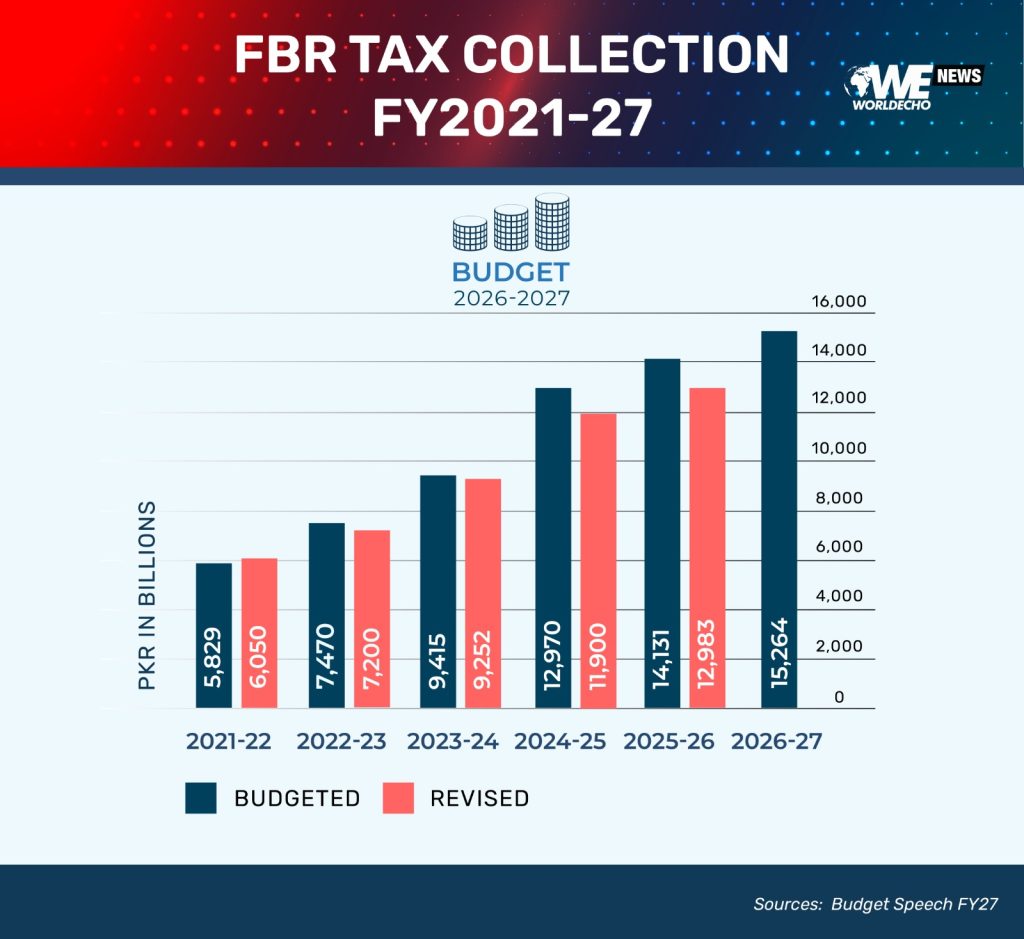
Pakistan’s Budget 2026–27 marks a clear shift toward a digitally enforced tax regime, combining selective relief for households, exporters and strategic industries with expanded surveillance, withholding taxes and automated compliance systems.
The reforms signal an effort to broaden the tax base, improve documentation and increase revenue efficiency while maintaining targeted support for growth-oriented sectors.