
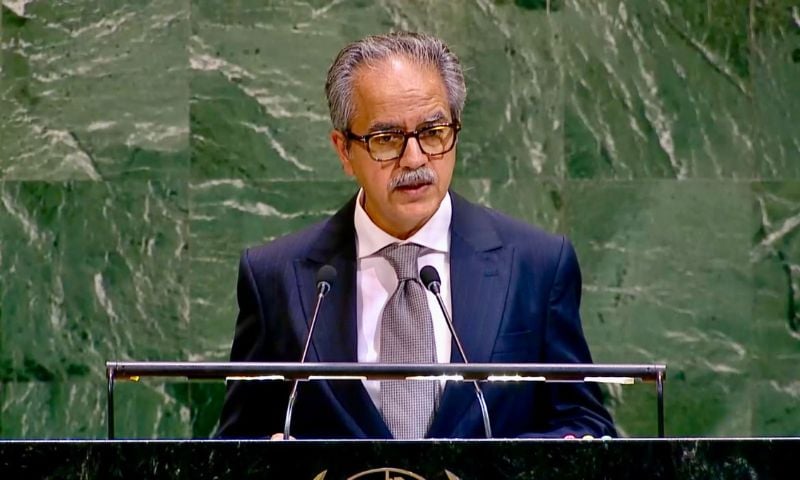
UNITED NATIONS: The United Nations General Assembly has unanimously adopted by consensus a landmark Pakistan-led resolution on access to assistive technology, marking the first-ever UNGA resolution dedicated to improving global access to such products and services.
The resolution, titled “Access to Assistive Technology” (A/80/L.110), seeks to make essential technologies more accessible and affordable, particularly for people in developing countries.

Introducing the resolution, Pakistan’s Permanent Representative to the UN, Ambassador Asim Iftikhar Ahmad, said around 2.5 billion people worldwide require one or more assistive products, devices or related services, while millions remain without adequate access.
Pakistan Champions Inclusive Technology at UN
Assistive technologies range from wheelchairs, prosthetic limbs and hearing aids to screen readers, communication devices and other digital solutions that enable people to study, work and participate more independently in society.
ALSO READ: Saudi Industries Corporation, Lenovo Sign MoU to Advance Technological Innovation
Ambassador Ahmad described such technologies as a bridge between “dependence and independence” and between “exclusion and participation”.
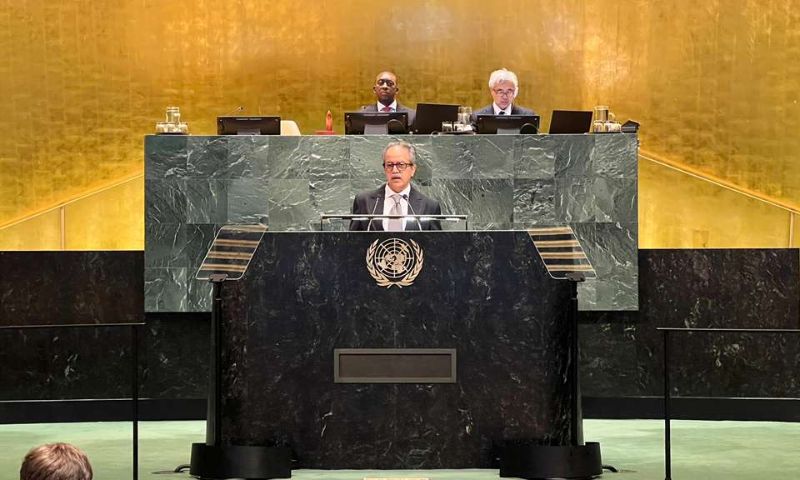
The Pakistan-led resolution calls for sustainable access to affordable and quality assistive technology while encouraging national strategies, research, innovation, stronger data systems and appropriate procurement mechanisms.
It also seeks greater international cooperation, financing and technical assistance for countries facing resource and capacity constraints.
Significantly, the resolution calls for assistive technology to be incorporated into humanitarian preparedness and responses during armed conflicts and disasters.
Pakistani Diplomat Brings Lived Experience
The resolution was drafted and negotiated by Counsellor Saima Saleem, Pakistan’s first visually impaired career diplomat, who herself uses assistive technology.
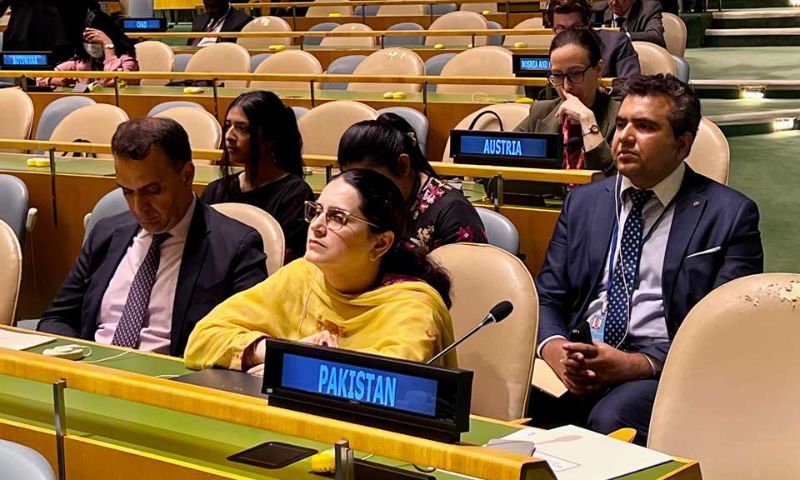
Her role brought direct lived experience to an initiative designed to expand independence, opportunity and equal participation for people requiring assistive technologies.
Pakistan’s leadership on the issue extends beyond the latest UN initiative. Islamabad also initiated World Health Assembly Resolution 71.8 on improving access to assistive technology, which was adopted by consensus in 2018.
The latest consensus at the General Assembly builds on that diplomatic effort by treating assistive technology as a broader development priority linked to health, education, employment and social inclusion.
Its adoption represents another significant contribution by Pakistan to multilateral efforts aimed at ensuring technology improves human dignity, independence and opportunity worldwide.