BANGKOK: Pakistan is turning disruption to LNG supplies caused by the Strait of Hormuz closure into an opportunity to diversify its energy mix, attract investment in gas storage and strengthen long-term energy security, according to a Gastech 2026 report.
The disruption has already begun opening new avenues for Pakistan’s energy sector, with international companies showing interest in developing gas storage facilities, supplying LNG under long-term contracts and expanding gas distribution.
Discussions held by Universal Gas Distribution Company (UGDC) at Gastech also point to growing international interest in Pakistan’s efforts to open its gas market to private-sector participation, potentially supporting investment, supply resilience and greater diversification of the country’s energy mix.
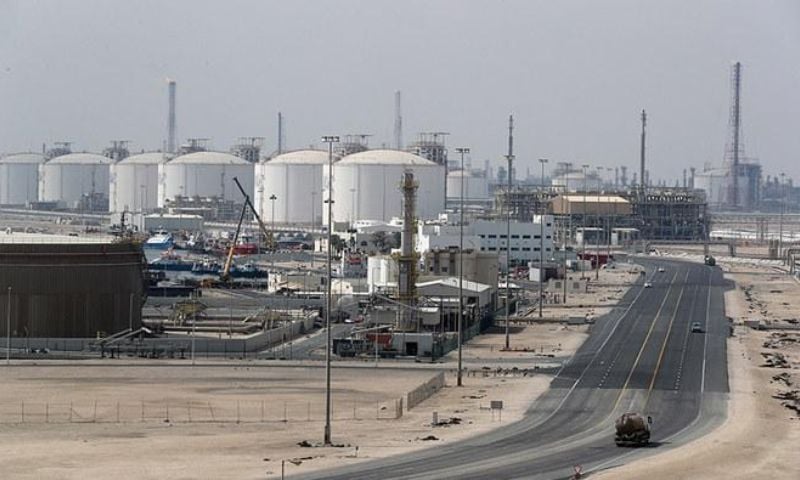
Pakistan is among the countries worst affected by LNG supply disruptions caused by the closure of the Strait of Hormuz, according to a report released at the 54th annual Gastech event in Bangkok, highlighting the urgency of diversifying energy sources and strengthening domestic infrastructure to enhance the country’s resilience to external supply shocks.
The disruption has highlighted Pakistan’s heavy reliance on LNG imports and prompted renewed discussion about strengthening domestic energy security through greater use of renewables, coal and other sources of power.
According to the Gastech report, Qatar and the United Arab Emirates together account for about 99 per cent of Pakistan’s LNG supplies, which are mainly used for power generation, fertiliser production and industrial activities. LNG accounts for around 30 percent of the country’s total gas supply.
The report, titled The Outlook for Gas and LNG Markets in Asia, said policymakers across Asia were reassessing their energy and power systems in response to supply disruptions and growing geopolitical risks. It said countries could accelerate investment in utility-scale solar, wind farms, commercial rooftop solar and energy storage to strengthen energy security.
The report also highlighted the need for investment in long-term infrastructure, including gas storage, while updating power-generation mixes and improving the flexibility of gas-fired power plants.
It noted that countries were considering expanding operating reserves to improve grid resilience during unexpected disruptions and increasing strategic fuel stocks for transport and power generation. The report also suggested that greater cross-border electricity trade could help countries manage shortages during periods of supply disruption.
The geopolitical situation in the Middle East and the resulting bottleneck in the Strait of Hormuz have further highlighted the vulnerability of gas and LNG markets to disruptions, according to Gastech.
The report said Pakistan had responded to gas supply disruptions by looking towards coal, hydropower and nuclear power. It added that price volatility and shipping uncertainty were likely to put further pressure on power costs.
Meanwhile, Universal Gas Distribution Company (UGDC) Chief Executive Officer Ghiyas Abdullah Paracha said the company had held discussions with international firms at the Gastech conference on potential gas storage projects, long-term LNG supplies and gas distribution opportunities.
“We have got understanding with some companies that have shown interest in building gas storage facilities in Pakistan. Some companies have shown keen interest in long-term LNG contracts with UGDC,” Mr Paracha told journalists.
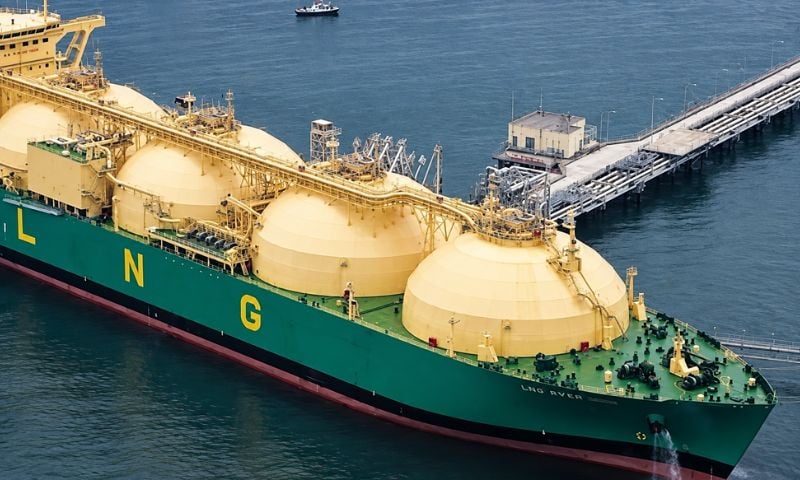
READ ALSO: Qatar LNG Tanker Reaches Pakistan Despite Hormuz Tensions
He said UGDC’s participation in the conference was also aimed at presenting Pakistan’s gas-sector reforms and the opening of the country’s gas market to private-sector participation. The company received a greater-than-anticipated response from international firms, he added.
Held from September 14 to 17 in Bangkok, Gastech 2026 brought together energy ministers, policymakers, industry executives, investors and technology leaders to discuss growing global energy demand and ways to strengthen energy security.
Hosted by Thailand’s Ministry of Energy, the event focused on natural gas and LNG, low-carbon technologies, hydrogen, electrification and AI, while providing a platform for investment, infrastructure development and international energy partnerships.