


Key Points
- Pakistan faced acute energy pressures amid US-Iran tensions
- Ceasefire helps stabilise global oil markets and supply routes
- Islamabad’s mediation contributes to de-escalation efforts
- Economic and strategic gains emerge from crisis management
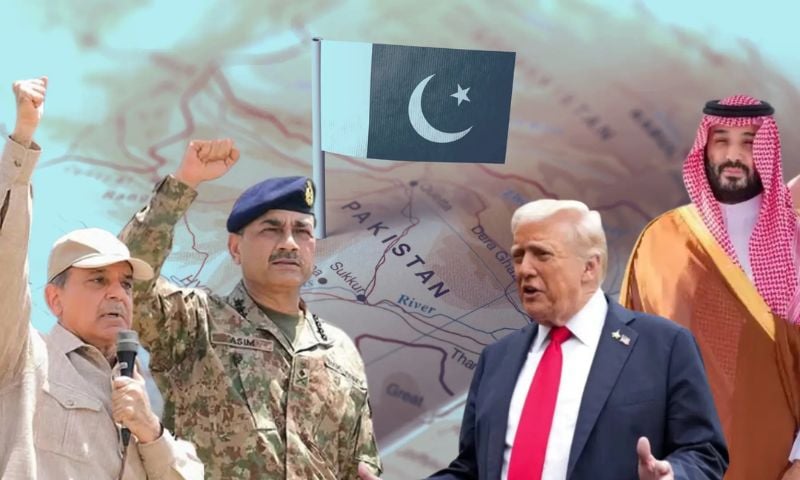
ISLAMABAD: Pakistan, among the countries hardest hit by the recent energy shock triggered by US-Iran tensions, is now being seen as a key beneficiary after playing a role in facilitating a ceasefire that has helped stabilise oil markets and opened space for broader peace prospects in the region.
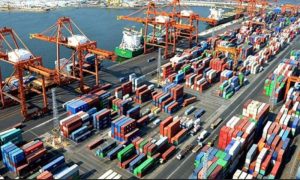
The escalation between Washington and Tehran had sent global energy markets into turmoil, with fears of disruption in the Strait of Hormuz driving oil prices higher and creating uncertainty in supply chains.
For Pakistan, which relies heavily on imported fuel, the impact was immediate and severe. Rising import costs added pressure on foreign exchange reserves, pushed up domestic fuel prices, and intensified inflationary concerns at a time when economic stability remains a priority.
Pakistan’s government moved skillfully on both external and internal fronts. It shared the burden of the petroleum price hike with domestic consumers through austerity savings, without disturbing the tight fiscal balance. On the external side, it exploited its unique positioning, enjoying the trust of almost all the stakeholders in the military conflict in the Middle East.
Pakistan’s consistent efforts of shuttle diplomacy finally bore fruit, and the announcement of a two-week ceasefire has altered the trajectory, at length.
Oil prices have shown signs of stabilisation, and fears of immediate supply disruption have receded. This shift offers critical relief to Pakistan’s economy by easing the import burden and providing some respite to consumers and industries grappling with high energy costs.
International market reaction has reinforced this trend, with oil prices dropping sharply and financial markets rallying following the truce announcement, according to The Guardian.
Notably, international commentary has increasingly framed Pakistan as a relative gainer from the episode.
A report in The Telegraph observed that despite being among the worst affected by the energy crisis, Pakistan has “emerged [a] winner” from the ceasefire dynamics, reflecting how its diplomatic engagement translated into tangible strategic and economic relief.
Beyond the economic dimension, Pakistan’s role in facilitating the ceasefire has drawn international attention.
Maintaining Diplomatic engagements with both the United States and Iran during the crisis allowed Islamabad to position itself as a credible intermediary.
This access to both sides, coupled with each party’s trust, has proven instrumental in supporting de-escalation efforts, contributing to the temporary halt in hostilities.
Global reporting has similarly underscored that the ceasefire framework itself was shaped through Pakistan-led mediation, with both sides acknowledging its role in bringing about the pause, and targeting direct talks aimed at a durable peace, reported Axios.
Pakistan’s ability to maintain working relations with both Washington and Tehran has enabled it to act as a bridge at a critical moment. Most analysts appear unanimous on this fact.
In a highly polarised geopolitical environment, such positioning is rare and has enhanced Pakistan’s standing as a pragmatic actor capable of supporting peace initiatives. The ceasefire, even if temporary, underscores the value of this balanced approach.
The development also carries implications for regional stability. With tensions easing, even briefly, the risk of a broader conflict disrupting global energy flows has diminished.
This not only benefits Pakistan but also other energy-importing economies that were facing similar vulnerabilities. Broader assessments indicate that the truce has already reduced pressure on key energy corridors and also contributed to easing fuel price volatility across Asian markets.
The pause in hostilities creates an opportunity for diplomatic engagement to take root, potentially paving the way for a more sustained peace process, according to The Economic Times.
Officials caution, however, that the ceasefire remains fragile and dependent on continued dialogue between the two sides. The underlying issues between the United States and Iran are complex and unresolved, meaning that any breakdown could quickly reverse the gains achieved so far.
For Pakistan, this underscores the importance of sustaining its engagement and supporting ongoing efforts, which would cover a major milestone on April 10 when Islamabad hosts direct talks aimed at extending the truce.
From an economic perspective, even a temporary easing of oil prices can have a meaningful impact. Lower energy costs could help contain inflation, reduce pressure on the current account deficit, and support broader macroeconomic stabilisation efforts.
Improved sentiment resulting from Pakistan’s constructive role may also contribute to greater confidence among international partners.
In effect, Pakistan’s experience during the crisis illustrates how a position of vulnerability can be transformed into an opportunity for constructive engagement.
By contributing to efforts that reduce tensions and promote stability, Islamabad has not only helped ease immediate economic pressures but also reinforced its role in advancing peace in a volatile region.