


Key Points
- SBP repays $1.43bn Eurobond ahead of April 8 maturity
- Payment includes $1.3bn principal and remaining interest
- Move highlights Pakistan’s commitment to external obligations
- Upcoming $3.5bn UAE repayments to test reserve position
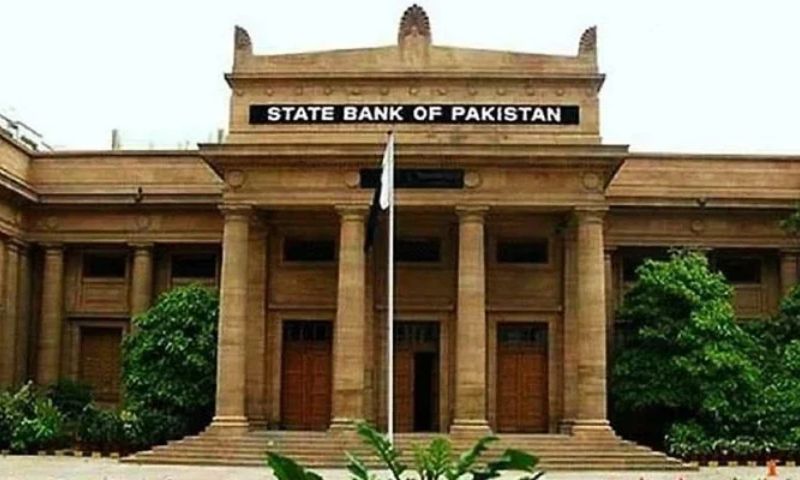
ISLAMABAD: Pakistan has successfully repaid $1.43 billion in Eurobonds ahead of its April 8, 2026, maturity, with the central bank stating that the timely settlement reflects the country’s continued commitment to meeting its external debt obligations despite ongoing pressure on foreign exchange reserves.
According to the State Bank of Pakistan (SBP), the repayment was executed a day before maturity and included $1.3 billion in principal along with the remaining amount as interest. The central bank said the funds were transferred to the designated agent bank for onward distribution to bondholders on the due date.
#SBP has successfully executed repayment of US$1.43B Pakistan’s International Bond on 07 April, 2026 which includes principal of US$1.3B and remaining amount is interest. Payment was made to agent bank for onward distribution to bondholders on the maturity date of 08 April, 2026. pic.twitter.com/4gZIiFeLIV
— SBP (@StateBank_Pak) April 8, 2026
The development is being viewed as a positive signal for international investors and creditors, demonstrating Pakistan’s ability to honour its sovereign commitments on time.
At a time when global financial conditions remain tight and emerging markets face heightened scrutiny, such repayments help reinforce credibility and support the country’s external financing profile.
The repayment comes amid mounting obligations in the coming weeks, particularly a $3.5 billion loan repayment to the United Arab Emirates.
According to officials cited in international reporting, Pakistan is expected to repay $450 million during the current week, followed by two larger tranches of $2 billion and $1 billion scheduled for April 17 and April 23, respectively.
These liabilities, some of which date back decades and have been rolled over periodically, carry an interest rate of around 6.5 per cent, adding to the cost of external financing.
The upcoming repayments are likely to exert additional pressure on Pakistan’s foreign exchange reserves, testing the country’s ability to remain within targets set under its programme with the International Monetary Fund (IMF).
The foreign ministry has stated that the repayment process is already underway, rejecting speculation that the move is linked to geopolitical considerations stemming from the ongoing Middle East crisis.
Officials have maintained that the repayments are part of routine financial obligations and reflect pre-existing commitments rather than any shift in foreign policy alignment.
Pakistan’s external sector position remains closely watched. Latest data from the SBP shows that foreign exchange reserves held by the central bank stood at $16.38 billion during the week ended March 27. In addition, commercial banks held net foreign reserves of $5.41 billion, bringing the country’s total reserves to $21.79 billion.
While the reserve buffer provides some cushion, analysts note that large, scheduled outflows could temporarily strain liquidity levels, particularly if not offset by inflows such as multilateral disbursements, bilateral support, or export earnings.
Maintaining reserve adequacy remains critical for exchange rate stability and investor confidence.
At the same time, the successful Eurobond repayment is likely to be viewed favourably by global markets, as it signals continuity in debt servicing even during periods of economic and geopolitical uncertainty.
Such actions can help stabilise perceptions around sovereign risk and may support Pakistan’s access to international capital markets over the medium term.
The broader challenge for policymakers lies in balancing timely debt servicing with the need to preserve adequate reserves and sustain economic recovery.
With several external payments lined up, careful management of inflows and outflows will remain essential in the weeks ahead.