Key Points
- Pakistan thanks Qatar for timely LNG cargo deliveries
- Two LNG shipments reach Pakistan after high-level coordination
- Islamabad seeks stronger energy security amid regional tensions
ISLAMABAD: Pakistan and Qatar have agreed to strengthen coordination on liquefied natural gas supplies as Islamabad moves to secure stable energy flows amid regional tensions affecting shipping routes and increasing summer electricity demand.
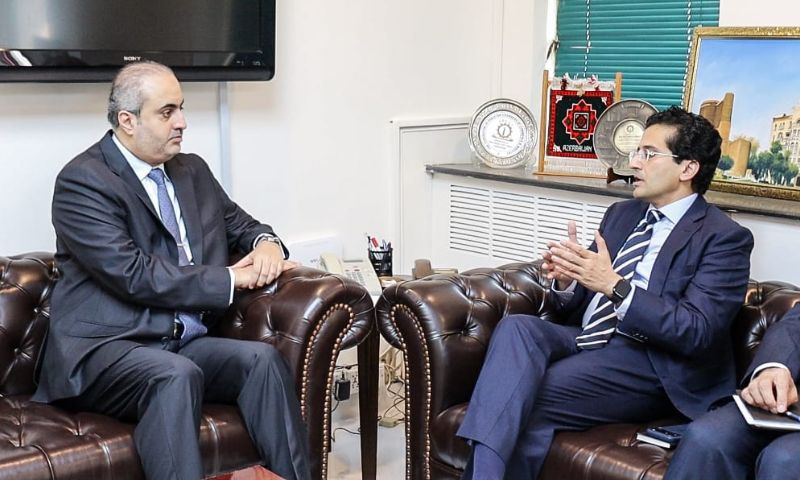
The understanding was reached during a meeting between Pakistan’s Petroleum Minister Ali Pervaiz Malik and Qatar’s Ambassador to Pakistan Ali bin Mubarak Al-Khater in Islamabad on Thursday, according to the Petroleum Division.
Malik thanked Qatar for facilitating LNG cargo deliveries at a critical time when Pakistan was facing supply pressures due to disruptions in the Strait of Hormuz and rising power demand during the peak summer season.
Pakistan had remained in close coordination with Qatar’s Energy Minister Saad Sherida Al-Kaabi regarding LNG vessel movements, the Minister said. The efforts have resulted in the successful arrival of two LNG cargoes in the country, he added.
Islamabad would continue working closely with Doha to ensure uninterrupted LNG supplies, he said, adding Pakistan was pursuing additional arrangements to meet growing national energy requirements without risking supply disruptions.
Qatar’s ambassador reaffirmed Doha’s support for Pakistan’s energy needs.
According to the envoy, Qatar had directed full facilitation to ensure reliable supplies, reflecting what he described as the deep-rooted ties between the two countries.
Pakistan is one of the world’s major LNG importers in South Asia and relies heavily on imported gas to fuel electricity generation, industry and household consumption.
Qatar remains Pakistan’s largest long-term LNG supplier under agreements signed with QatarEnergy, formerly Qatar Petroleum.
The latest high-level interaction comes amid heightened concern over energy shipping routes in the Gulf region, particularly around the Strait of Hormuz.
The narrow waterway transits nearly a fifth of the global oil and LNG trade. Any disruption in the Strait can quickly affect global energy markets and import-dependent economies such as Pakistan.
Pakistan has faced recurring energy shortages over the past decade due to declining domestic gas production, circular debt in the power sector and rising seasonal demand.
Successive governments have increasingly relied on LNG imports to stabilise electricity generation and industrial activity.
According to the Petroleum Ministry, the government is also formulating a diversified energy security framework.
Pakistan’s government aims to minimise vulnerability to external shocks and ensure strategic fuel availability during periods of regional instability.
Both sides agreed to deepen long-term cooperation in energy, including coordination on strategic storage and future LNG supply arrangements.