



ISLAMABAD: Pakistan’s efforts to broker an end to the US-Israeli war on Iran have entered a “critical, sensitive” stage, Iran’s ambassador to Pakistan said, as diplomatic activity accelerates ahead of a US deadline for Tehran to reopen the Strait of Hormuz.
Iranian envoy Reza Amiri Moghadam described Islamabad’s role as “positive and productive,” signalling growing momentum in mediation efforts aimed at halting the conflict.
Pakistan positive and productive endeavours in Good Will and Good Office to stop the war is approaching a critical, sensitive stage …
Stay Tuned for more
— Reza Amiri Moghadam (@IranAmbPak) April 7, 2026
US-led talks underway through Pakistan
Earlier on Monday, US President Donald Trump said senior American officials — including Vice President JD Vance, special envoy Steve Witkoff, and Jared Kushner — are engaged in talks with intermediaries in Pakistan.
Speaking at the White House, Trump said the officials were “all unified” and actively negotiating, adding that in-person meetings could also take place.
Ceasefire proposals under discussion
A proposed 45-day ceasefire is among several options being considered, with Trump calling it a “very significant step,” though “not good enough” in its current form.
Mediators are seeking an immediate halt to hostilities alongside the reopening of the Strait of Hormuz, followed by detailed negotiations toward a broader peace agreement.
‘Islamabad Accord’ framework emerges
Diplomatic sources say both Washington and Tehran have received a proposed two-phase agreement — informally dubbed the “Islamabad Accord.”
The plan calls for an immediate ceasefire and the reopening of the Strait, followed by 15 to 20 days of negotiations on a comprehensive settlement.
The final agreement could include limits on Iran’s nuclear programme in exchange for sanctions relief, the release of frozen assets and a broader regional security framework.
Trump sets deadline, warns of escalation
Trump has set a Tuesday deadline for Iran to reopen the Strait of Hormuz, warning that failure to comply could trigger large-scale strikes on the country’s infrastructure.
🚨 PRESIDENT TRUMP: Iran has until tomorrow at 8 o’clock to make a deal.
After that, they’re going to have no power plants or bridges. pic.twitter.com/925q6auE9j
— Department of State (@StateDept) April 6, 2026
“The entire country could be taken out in one night,” Trump said, adding that power plants and bridges could be targeted within hours if no agreement is reached.
Pakistan pushes for de-escalation
Pakistan has stepped up diplomatic outreach, calling for “urgent de-escalation” and maintaining close contact with US and Iranian officials.
Deputy Prime Minister and Foreign Minister Ishaq Dar reaffirmed Islamabad’s commitment to supporting dialogue during discussions with international counterparts.
Pakistan has also coordinated with regional actors, including Turkiye, Egypt, and China, to promote a ceasefire and stabilise the situation.
Regional and global stakes rise
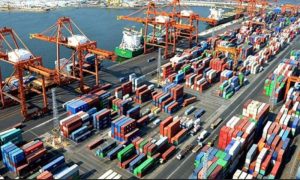
The renewed diplomatic push comes amid escalating tensions that have disrupted shipping through the Strait of Hormuz — a key artery for global energy supplies.
Analysts say Pakistan’s mediation reflects a broader effort to prevent further regional spillover and stabilise global markets already impacted by the conflict.