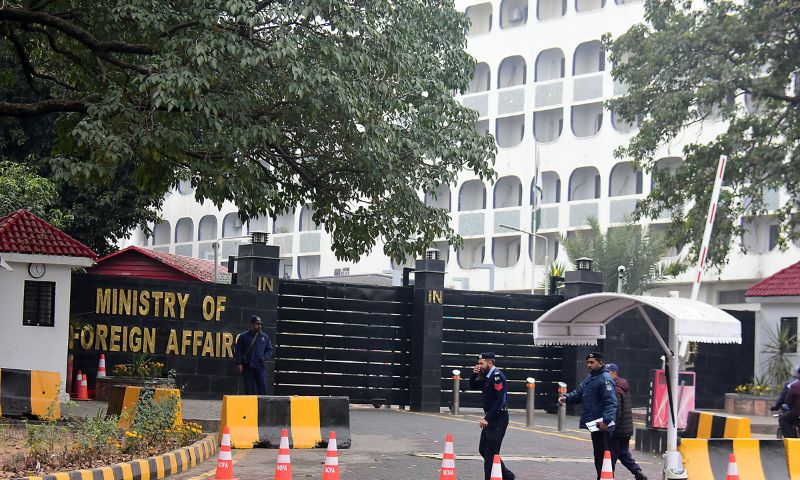



ISLAMABAD: Pakistan is set to launch today (Sunday) a critical round of high-level diplomacy aimed at de-escalating the fast-intensifying Iran war, as foreign ministers from Saudi Arabia, Türkiye and Egypt arrived in Islamabad for urgent consultations on regional stability.
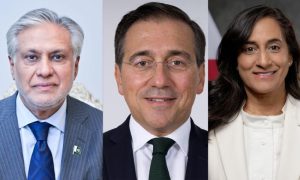
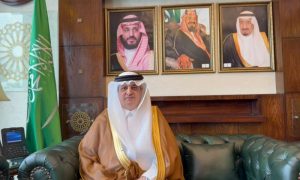
Saudi Foreign Minister Prince Faisal bin Farhan Al Saud, Türkiye’s Hakan Fidan and Egypt’s Dr Badr Abdelatty have arrived to participate in the two-day talks (March 29–30). Pakistan’s Deputy Prime Minister and Foreign Minister Ishaq Dar is the host, as fears grow of a wider regional conflagration. The consultations come at a volatile moment.
Pakistan Emerges as Diplomatic Bridge
Islamabad has increasingly positioned itself as a key intermediary between Tehran and Washington, relaying messages and facilitating indirect engagement between the two adversaries.
Prime Minister Shehbaz Sharif, who is expected to meet the visiting ministers, has intensified outreach to global leaders, offering Pakistan as a neutral venue for peace talks and urging a “comprehensive settlement” to the conflict.
Recent developments further highlight Pakistan’s growing role as a peace facilitator and Islamabad as a neutral diplomatic venue. Iran has agreed to allow limited passage of Pakistani-flagged vessels through the Strait of Hormuz, which officials in Islamabad describe as a “constructive gesture” toward de-escalation.
Regional Diplomacy Gains Momentum
The Islamabad talks are focusing on:
- Immediate de-escalation mechanisms
- Prospects for a ceasefire
- Coordinated regional diplomatic strategy
- Humanitarian fallout and civilian protection
Regional leaders have emphasised urgency. Prince Faisal bin Farhan Al Saud warned the region “cannot afford further escalation,” while Türkiye’s Hakan Fidan backed Pakistan’s role as a “balanced facilitator.”
Egypt has similarly stressed that political solutions—not military action—remain the only viable path forward.
The presence of key Muslim powers signals an emerging regional-led diplomatic track, as countries seek to contain a conflict that has already disrupted global energy routes and trade flows.
Conflict Expands, Complicating Peace Efforts
Despite diplomatic momentum, the battlefield situation continues to escalate. Israeli airstrikes and a growing US military buildup in the Gulf are putting Pakistan’s mediation efforts under strain, with Tehran demanding firm guarantees before engaging meaningfully.
The conflict has also widened geographically. Iran-backed Houthi forces have entered the war, launching missile and drone attacks on Israeli targets, raising fears of disruption in key maritime chokepoints such as the Bab al-Mandab Strait.
More than 3,000 people have reportedly been killed since the conflict began, while global supply chains — including oil, fertilisers and shipping — are increasingly affected.
Global Powers: Pressure and Diplomacy
The United States continues to pursue a dual-track approach — sustaining military pressure while keeping diplomatic channels open. Washington has floated a comprehensive peace framework reportedly involving major concessions from Iran in exchange for sanctions relief.
However, Tehran has publicly rejected direct negotiations, while quietly acknowledging backchannel contacts through intermediaries such as Pakistan.
Israel, meanwhile, remains sceptical of Iran’s intentions and continues military operations, a factor analysts say is eroding trust and complicating ceasefire efforts.
Pakistan Well-placed
Pakistan’s proactive diplomatic engagement is rooted in its long-standing commitment to regional peace and stability. Leveraging its balanced relations with Iran, Gulf states and global powers, Islamabad is uniquely positioned to play a constructive role in reducing tensions.
Analysts note that Pakistan’s close ties across the region — including its cooperation with Saudi Arabia and its shared border with Iran — enhance its ability to facilitate dialogue and promote de-escalation.
This strategic positioning underscores Pakistan’s responsible approach as a peace facilitator, prioritising stability, economic security and cooperative solutions over confrontation.
At the same time, Pakistan’s neutral positioning — maintaining ties with both Iran and the US — has enhanced its credibility as a potential peacemaker.
Outlook: A Fragile Opening for Peace
While expectations remain cautious, diplomats say the Islamabad meeting could mark the beginning of a coordinated diplomatic effort led by regional powers.
“This is not yet a breakthrough,” a senior official said, “but it could become the foundation for sustained dialogue if momentum is maintained.”
With violence escalating and new actors entering the conflict, the coming days will be critical in determining whether diplomacy can outpace war.